Ground shift
Visual research on transformations of landscape, communities and imaginaries in Kiruna and the Arctic
Kiruna, 2025 – ongoing
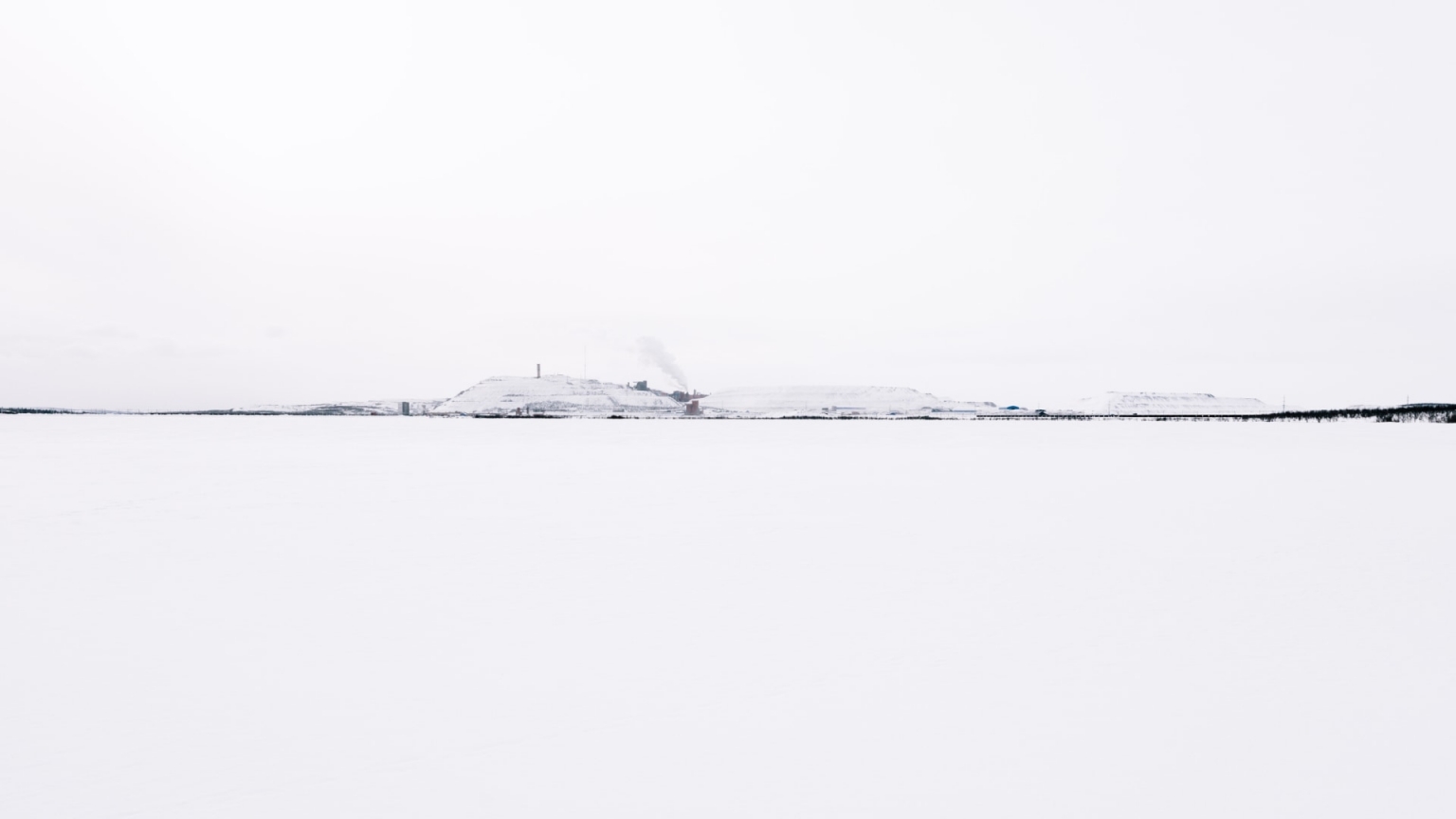
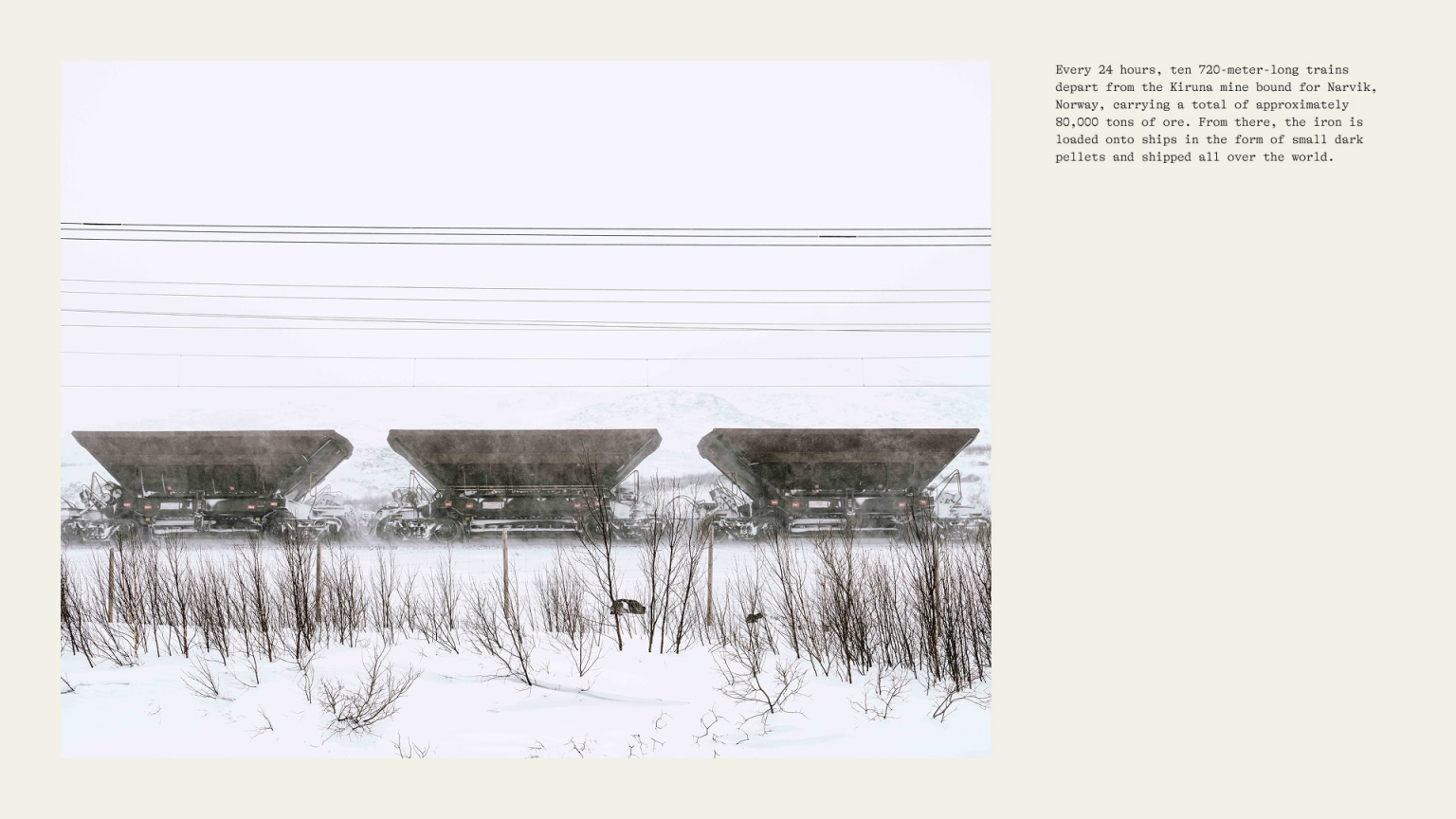
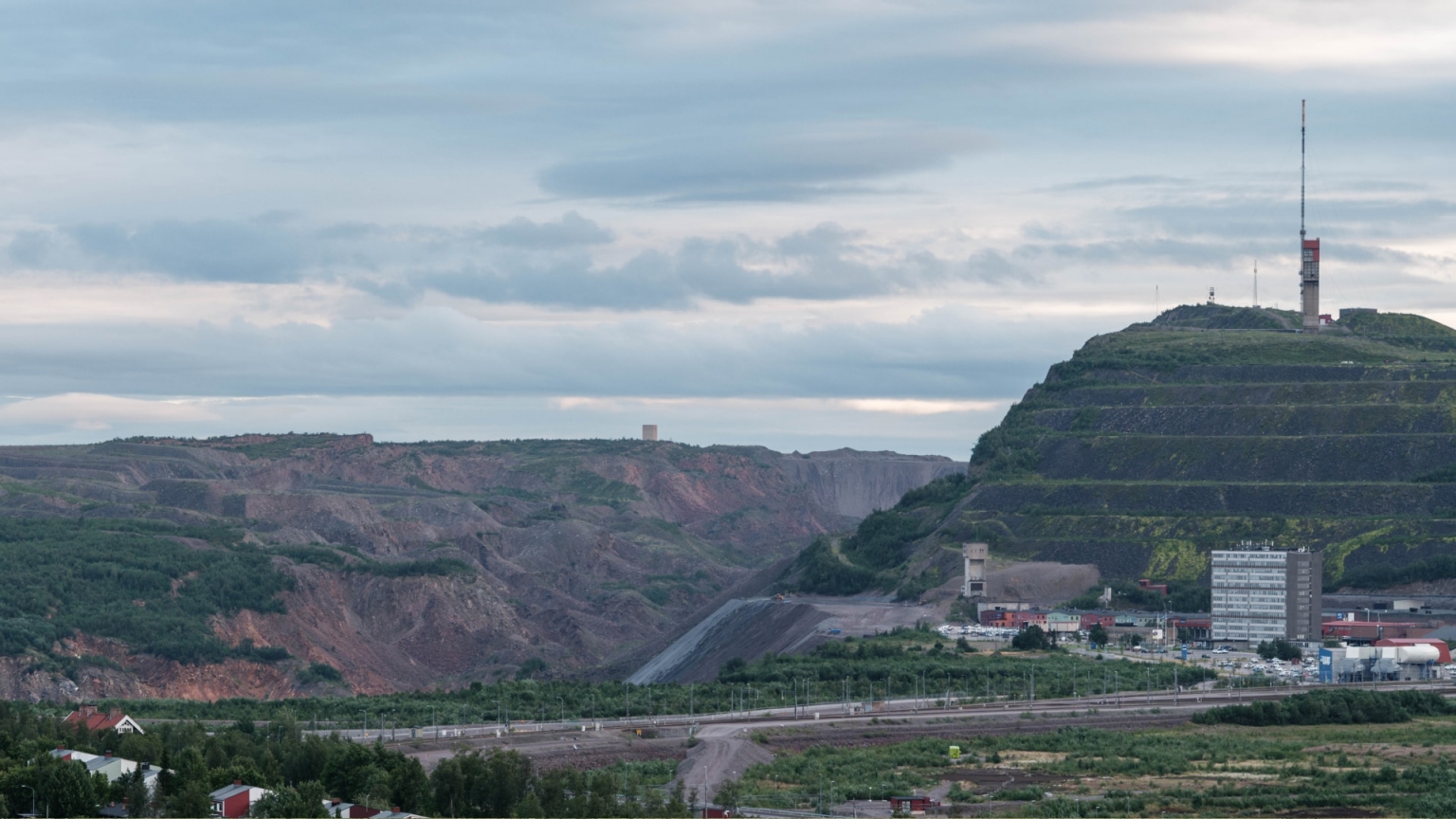
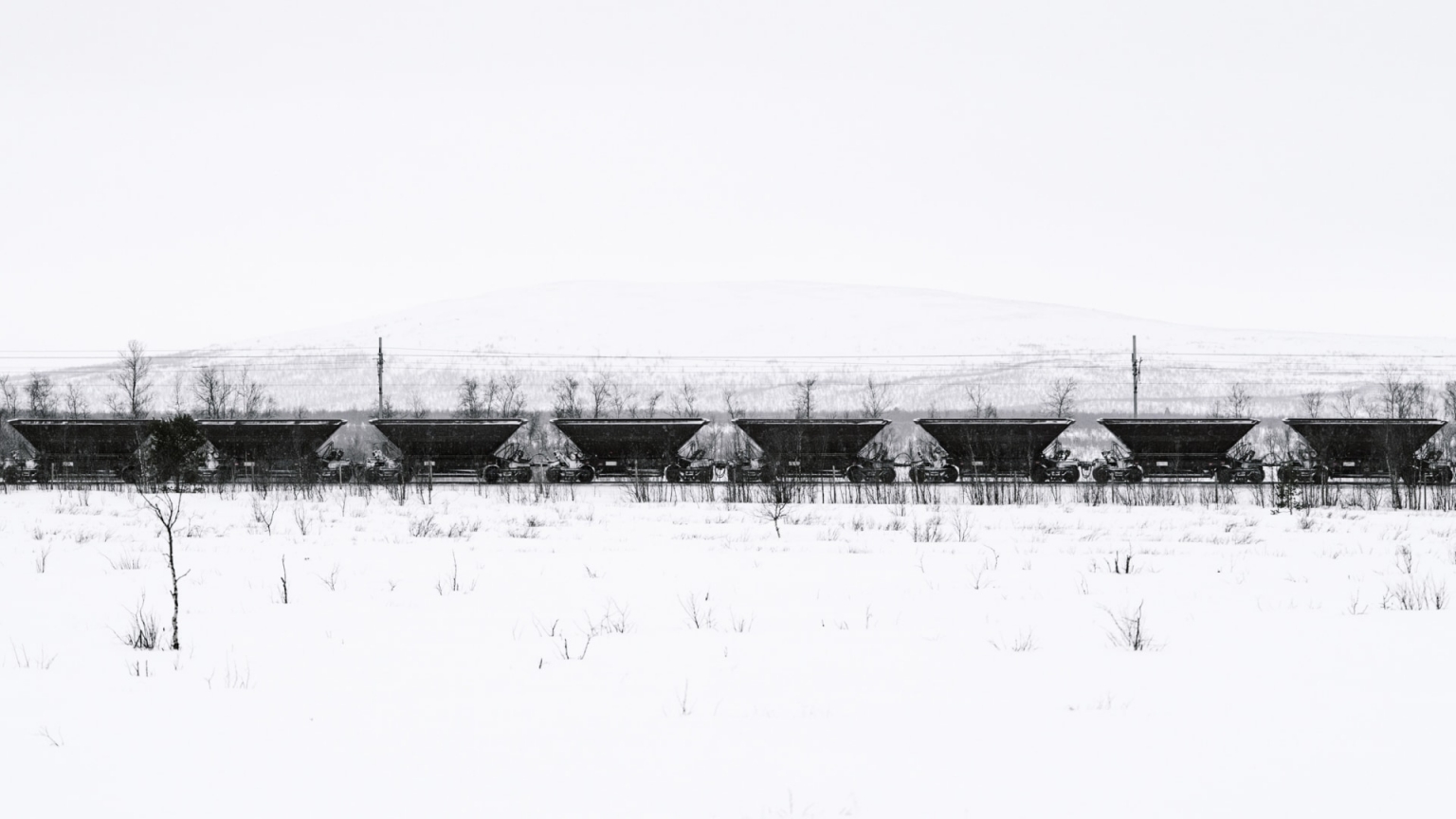
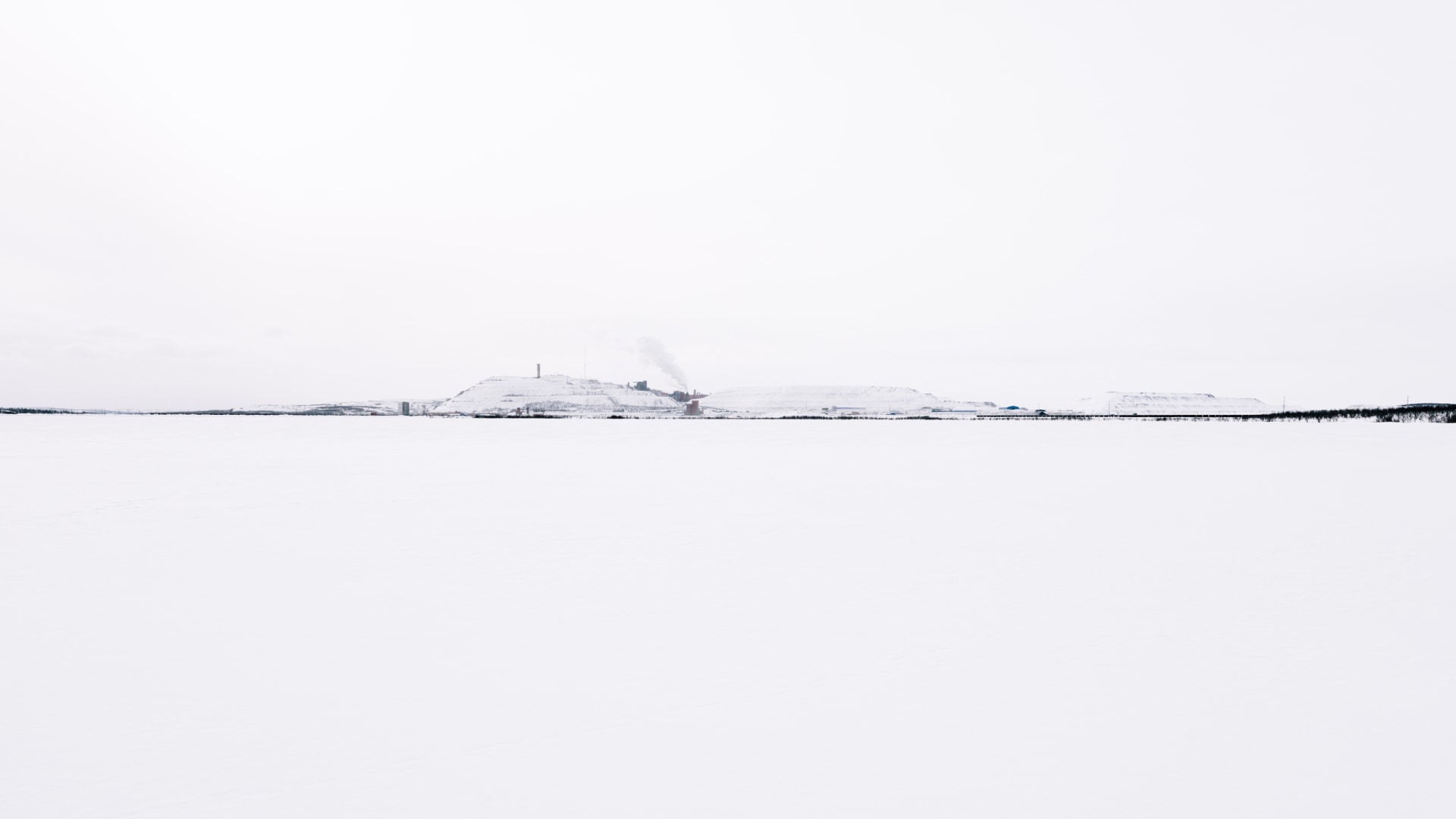
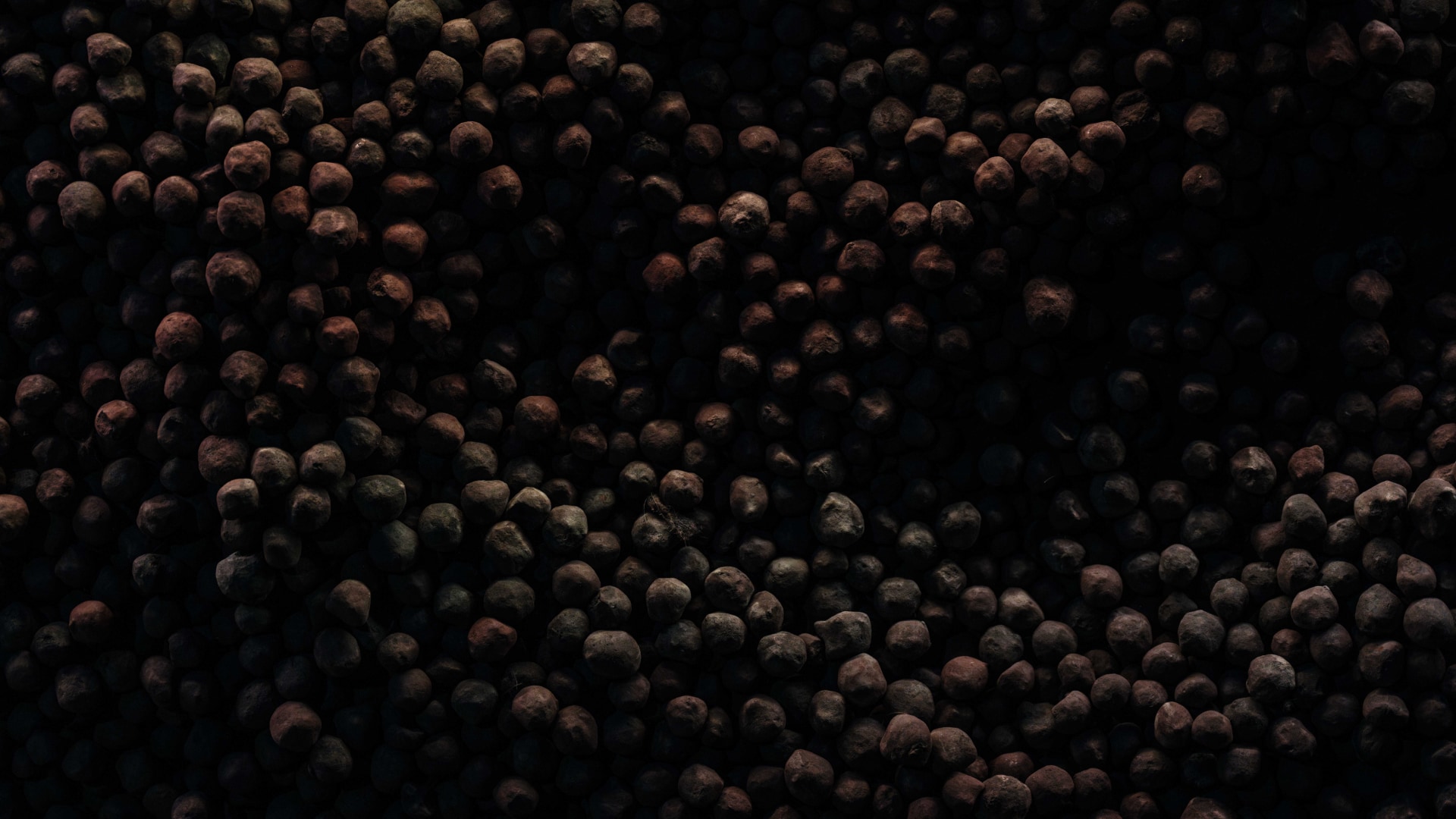
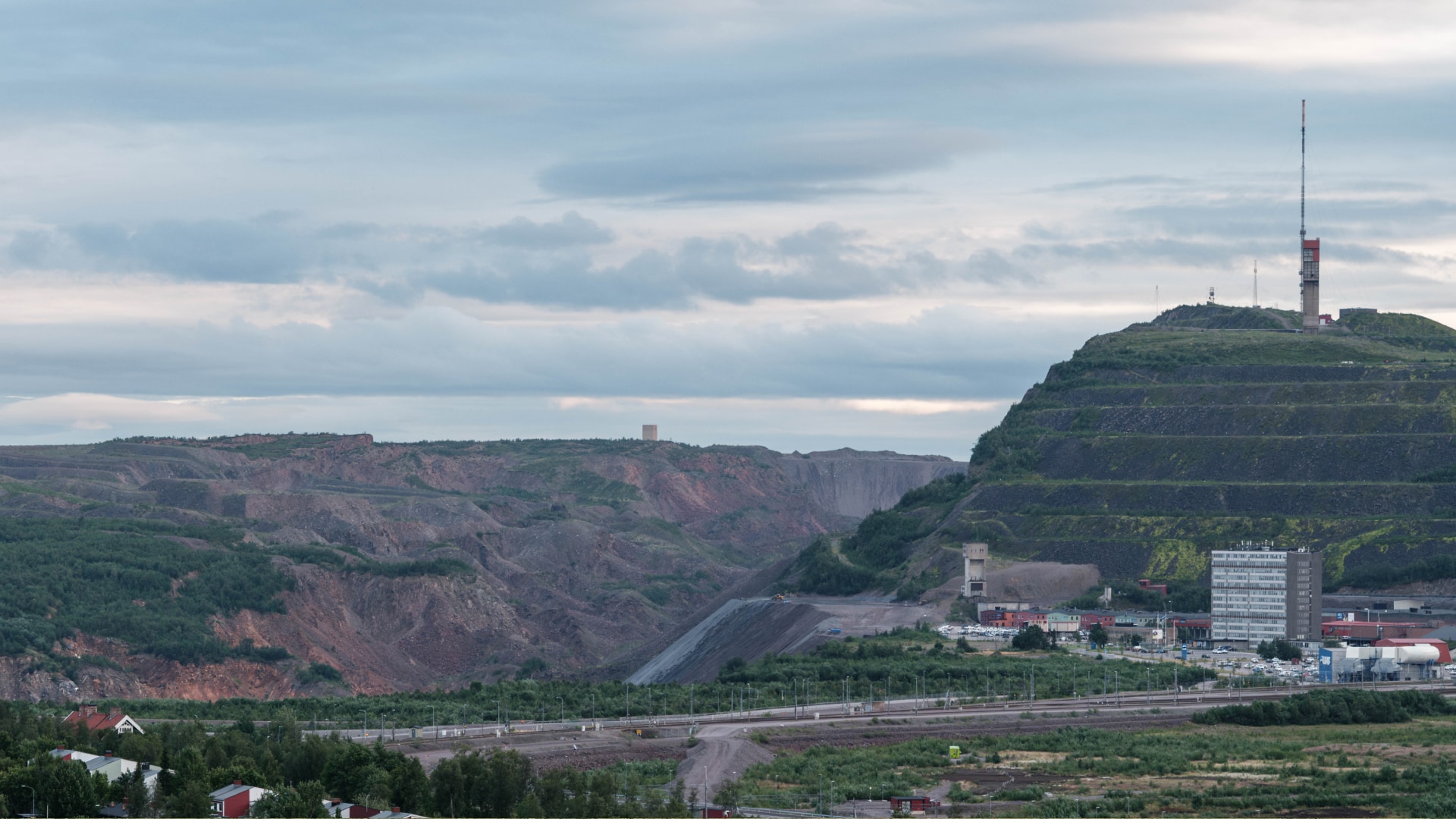
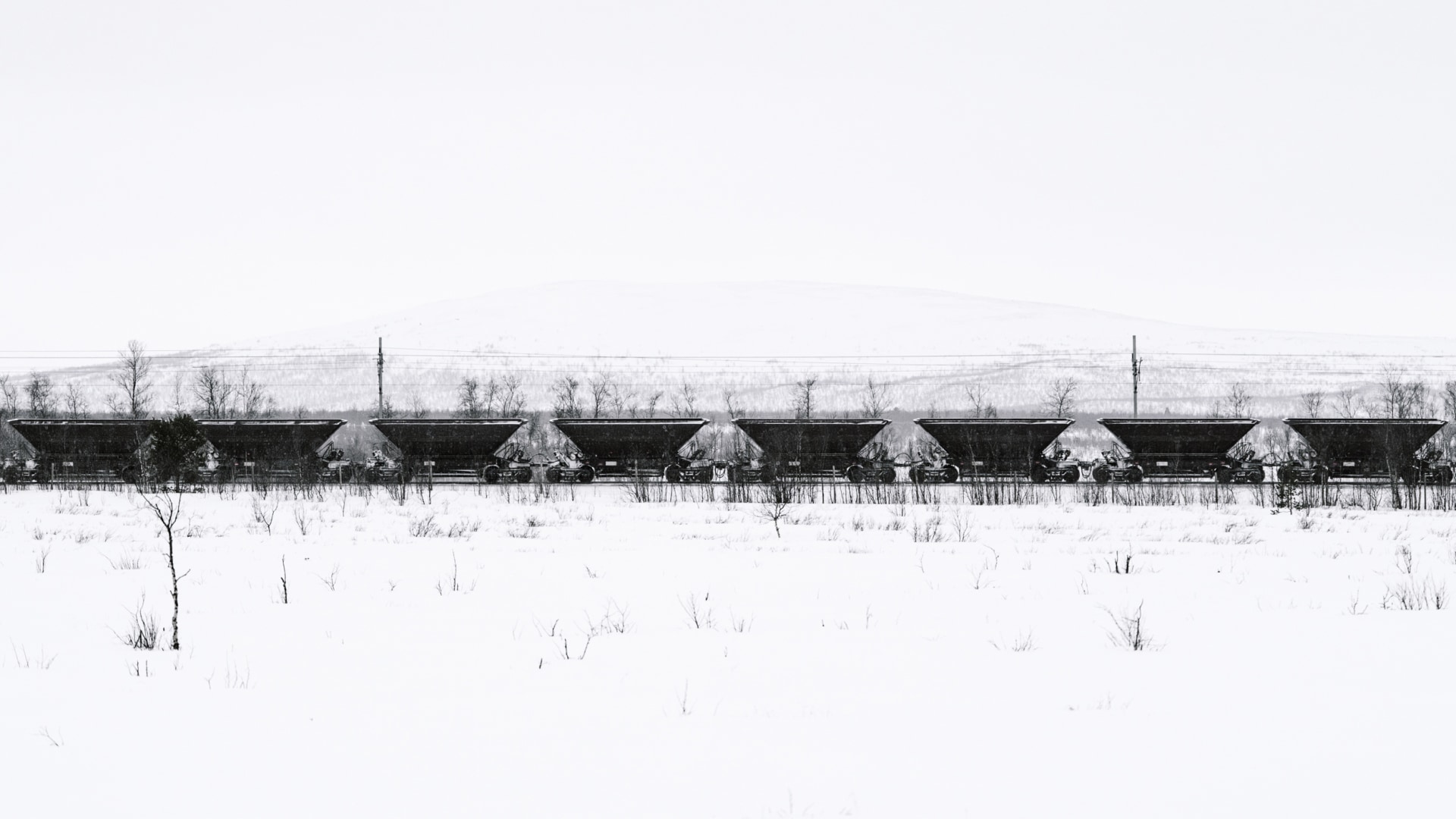
Kiruna is Sweden’s northernmost city and home to the world’s largest iron ore mine. The mining complex, operated by LKAB, was founded in the late 19th century during the heyday of the Swedish mining industry.
Since its inception, Kiruna has been inextricably linked to its mine, which has shaped the landscape, the economy, and the life of the local community.
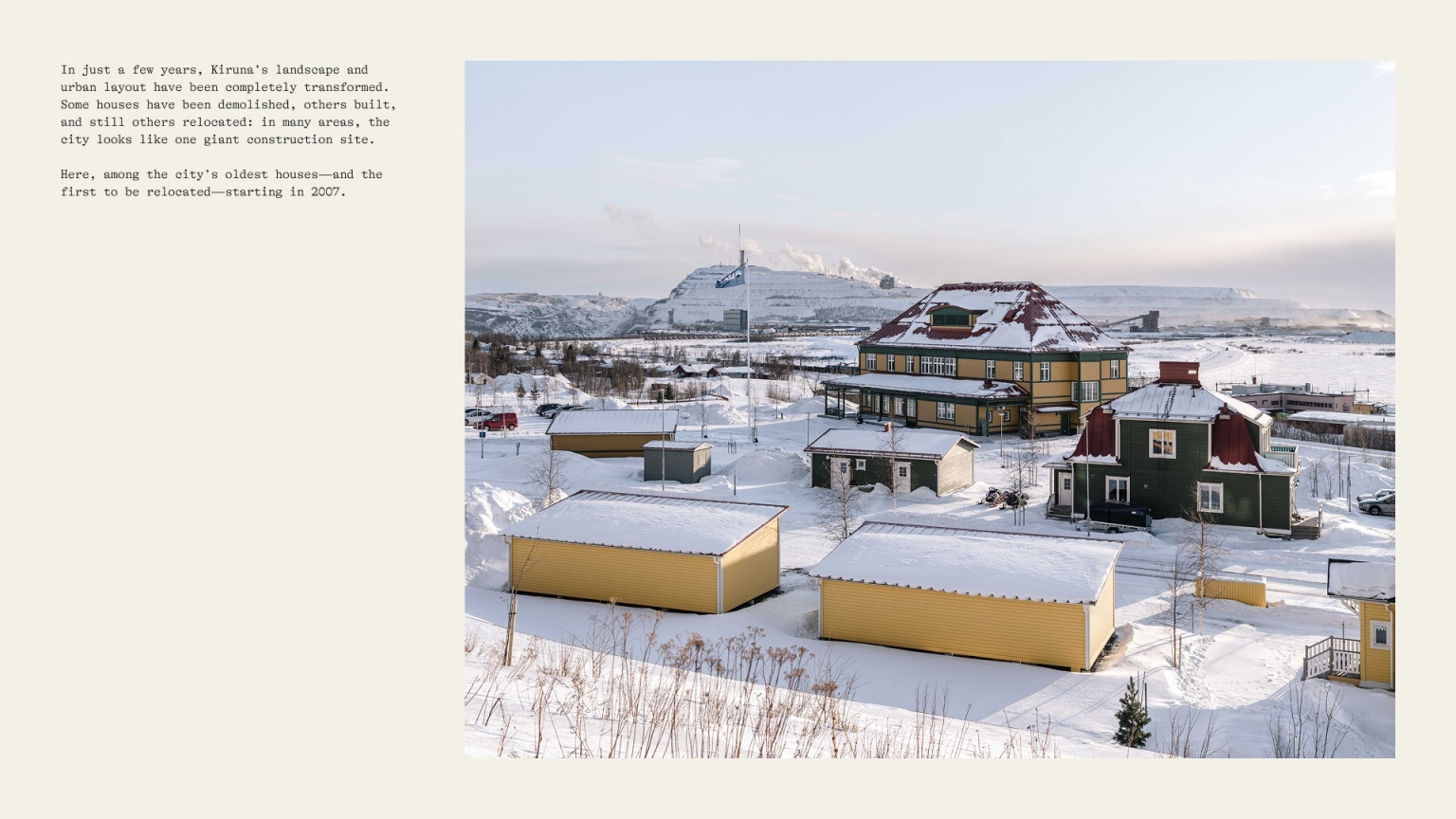
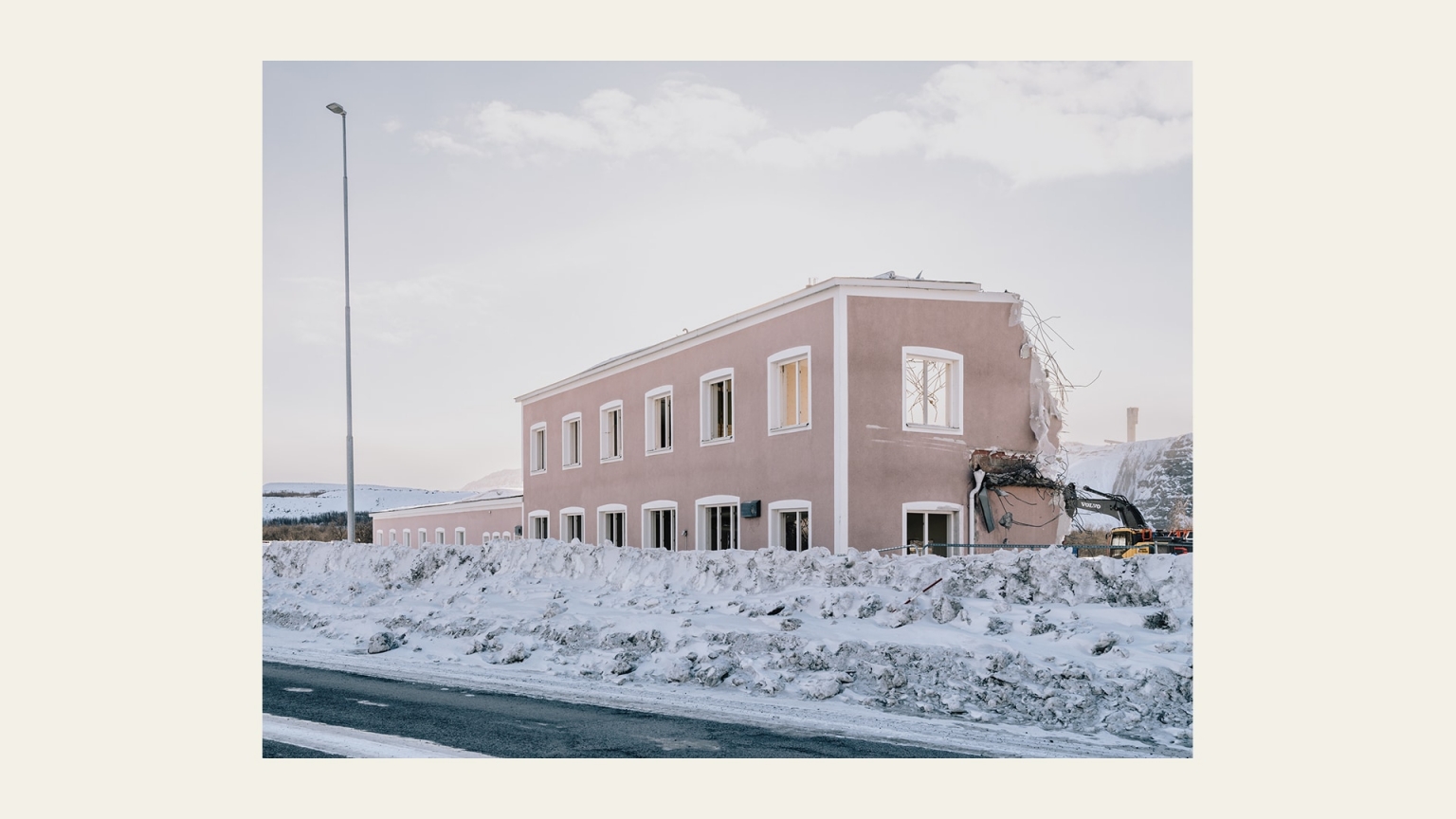
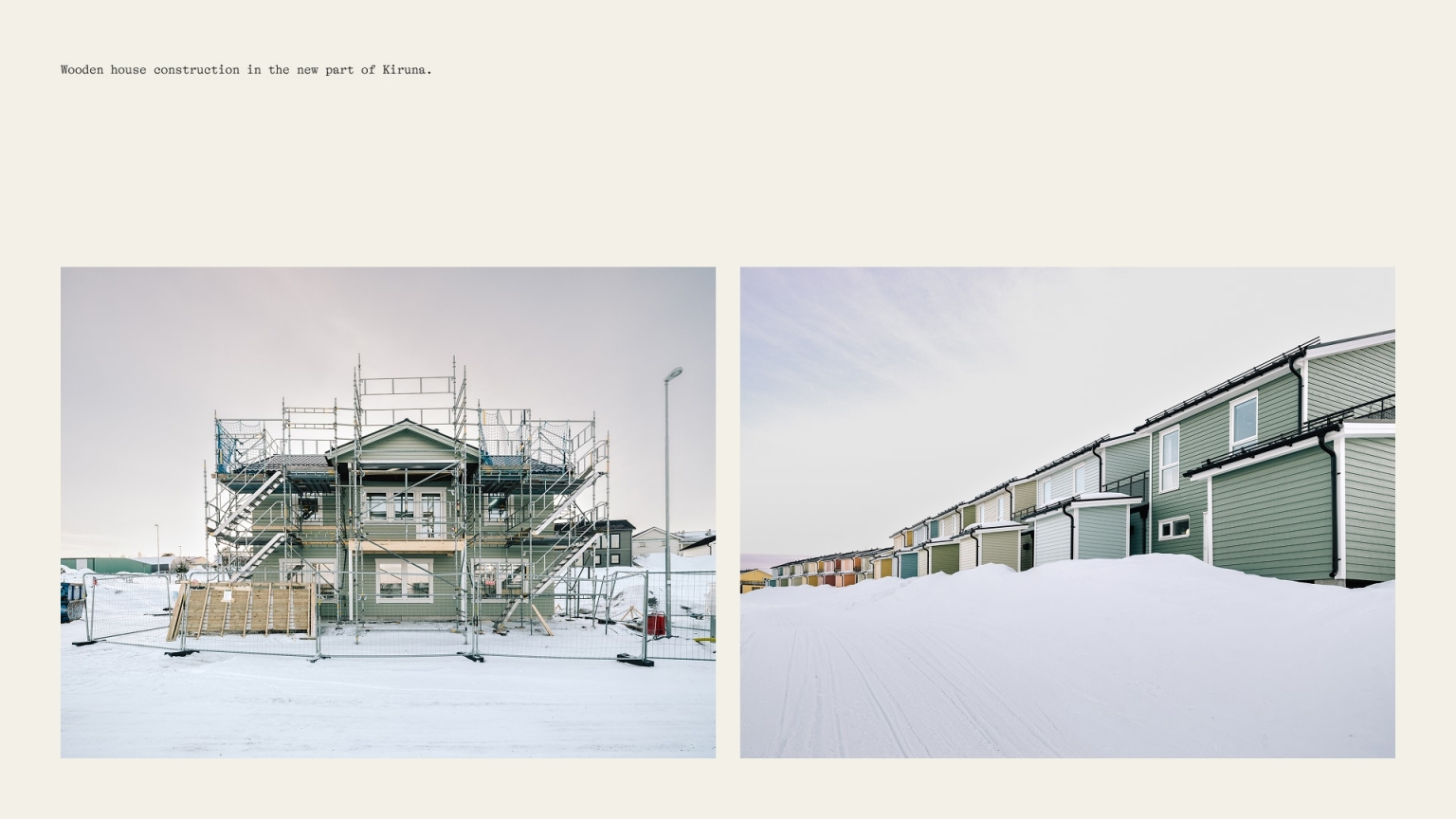
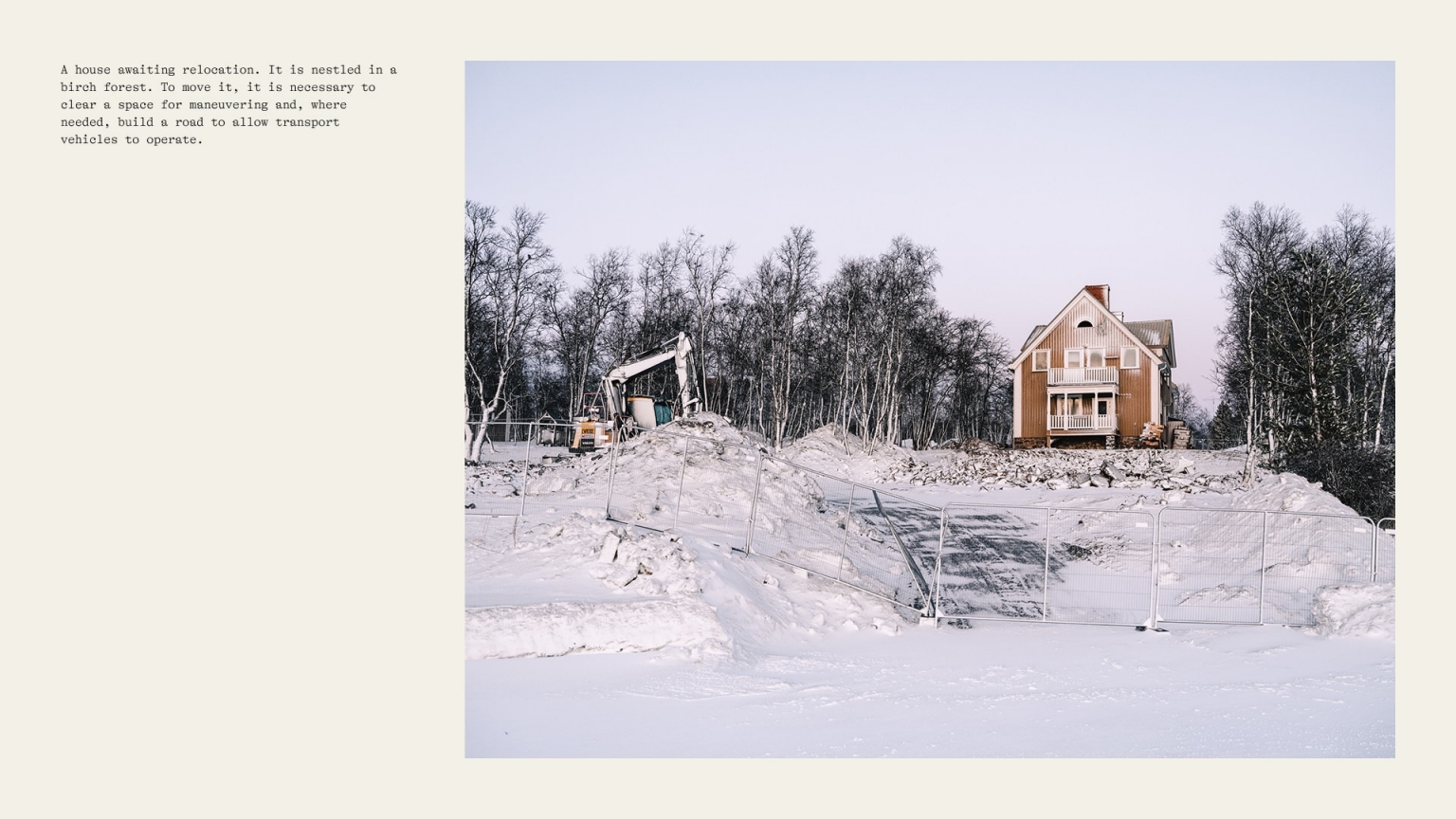
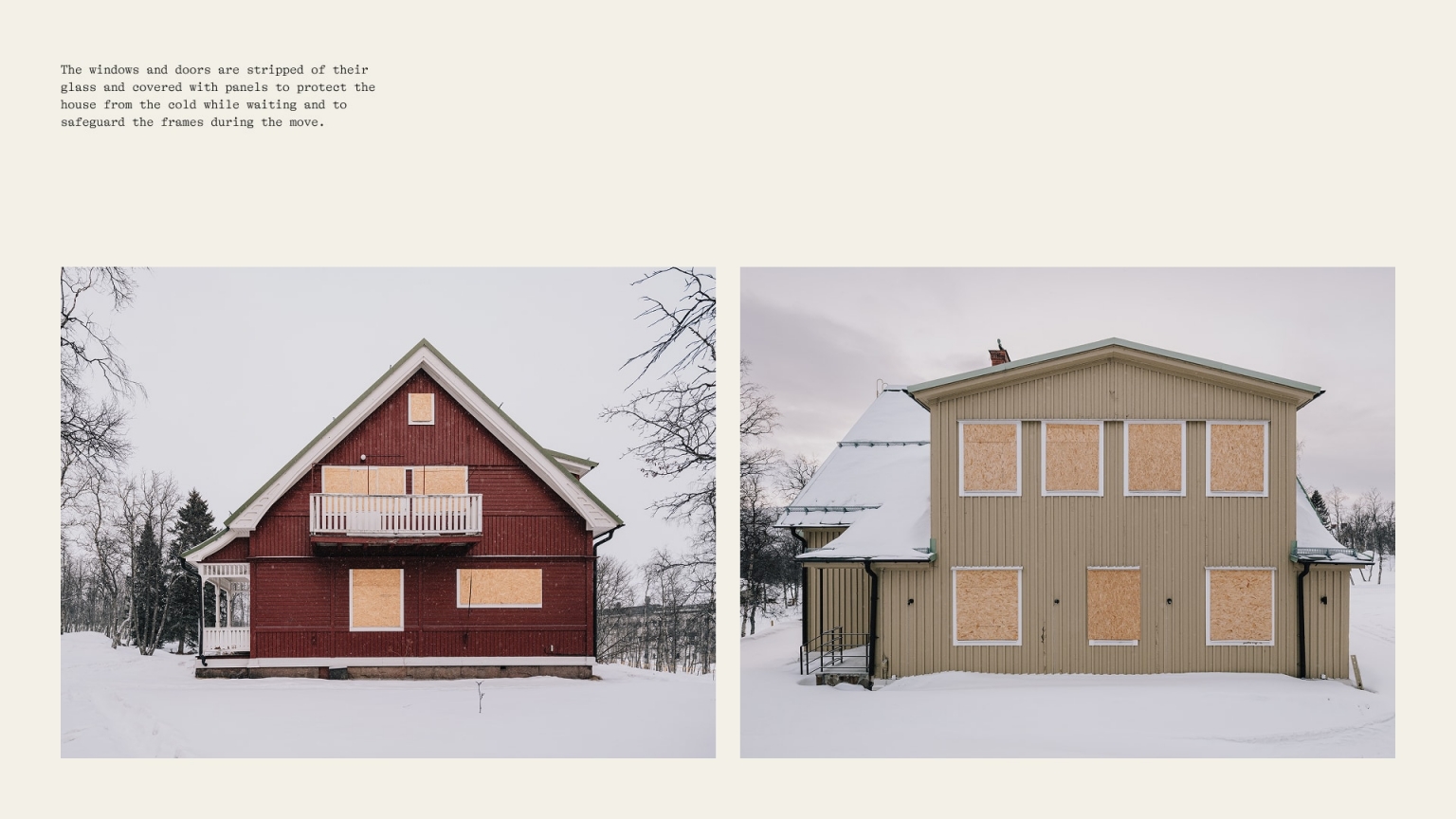
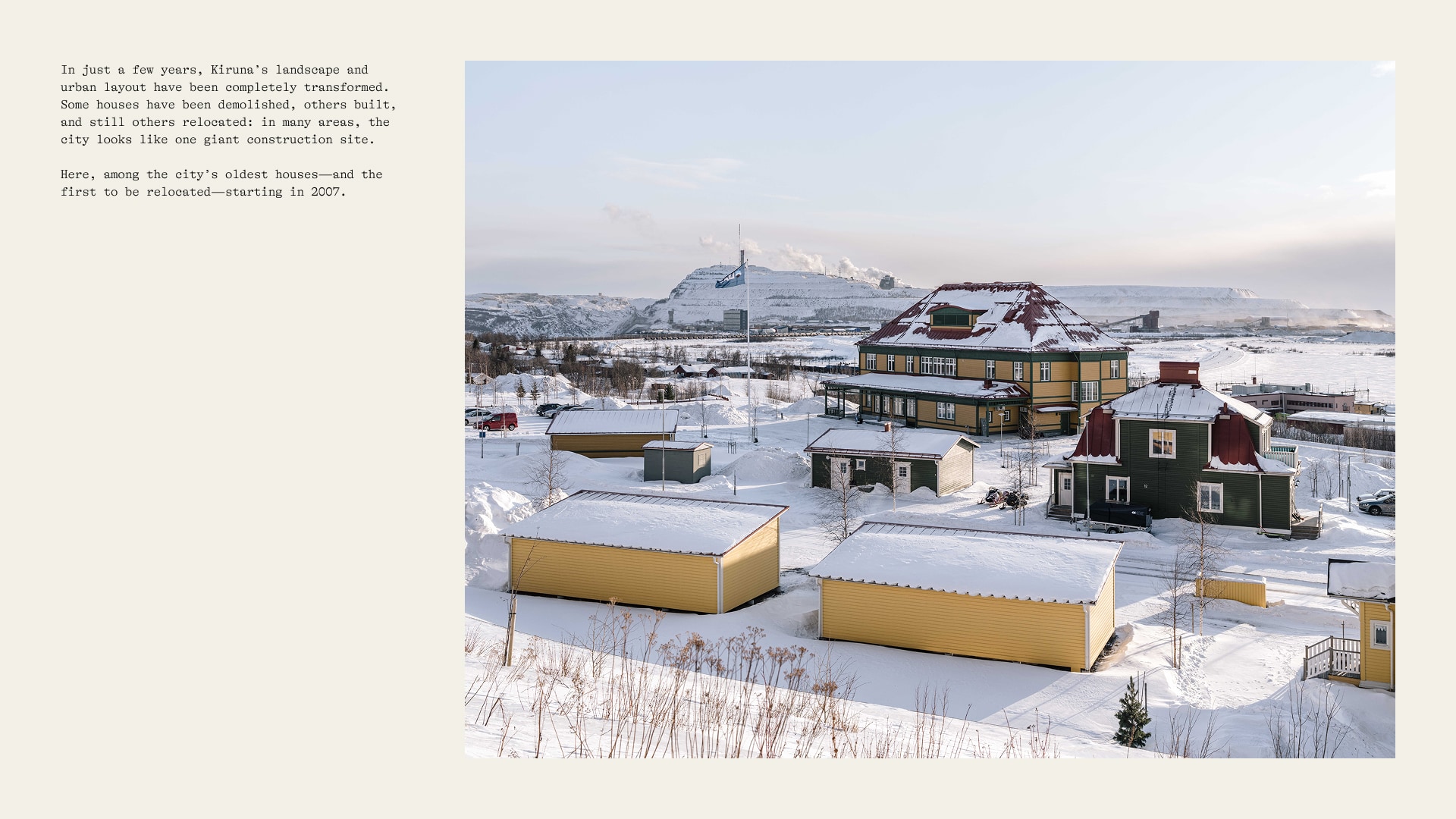
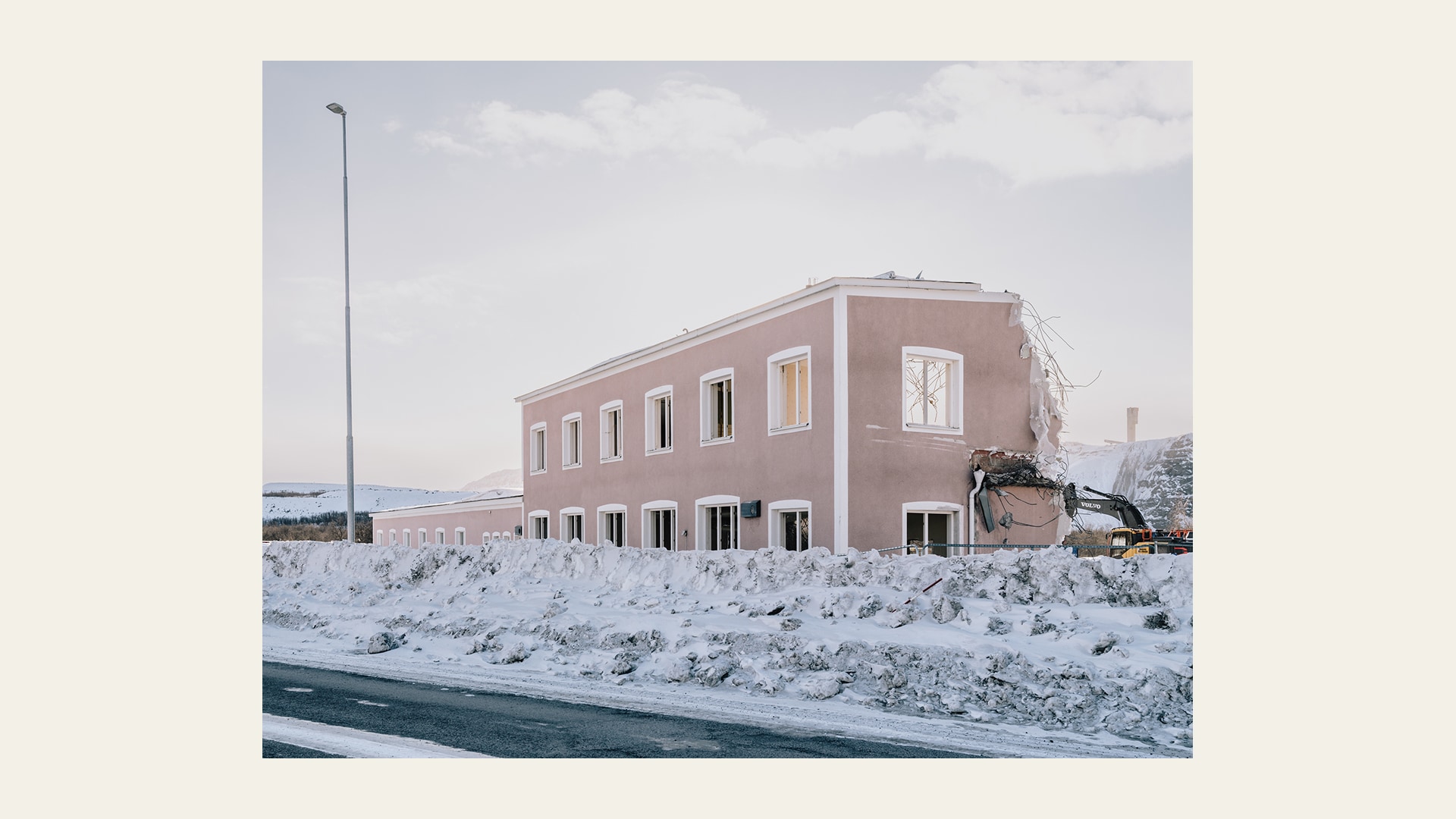
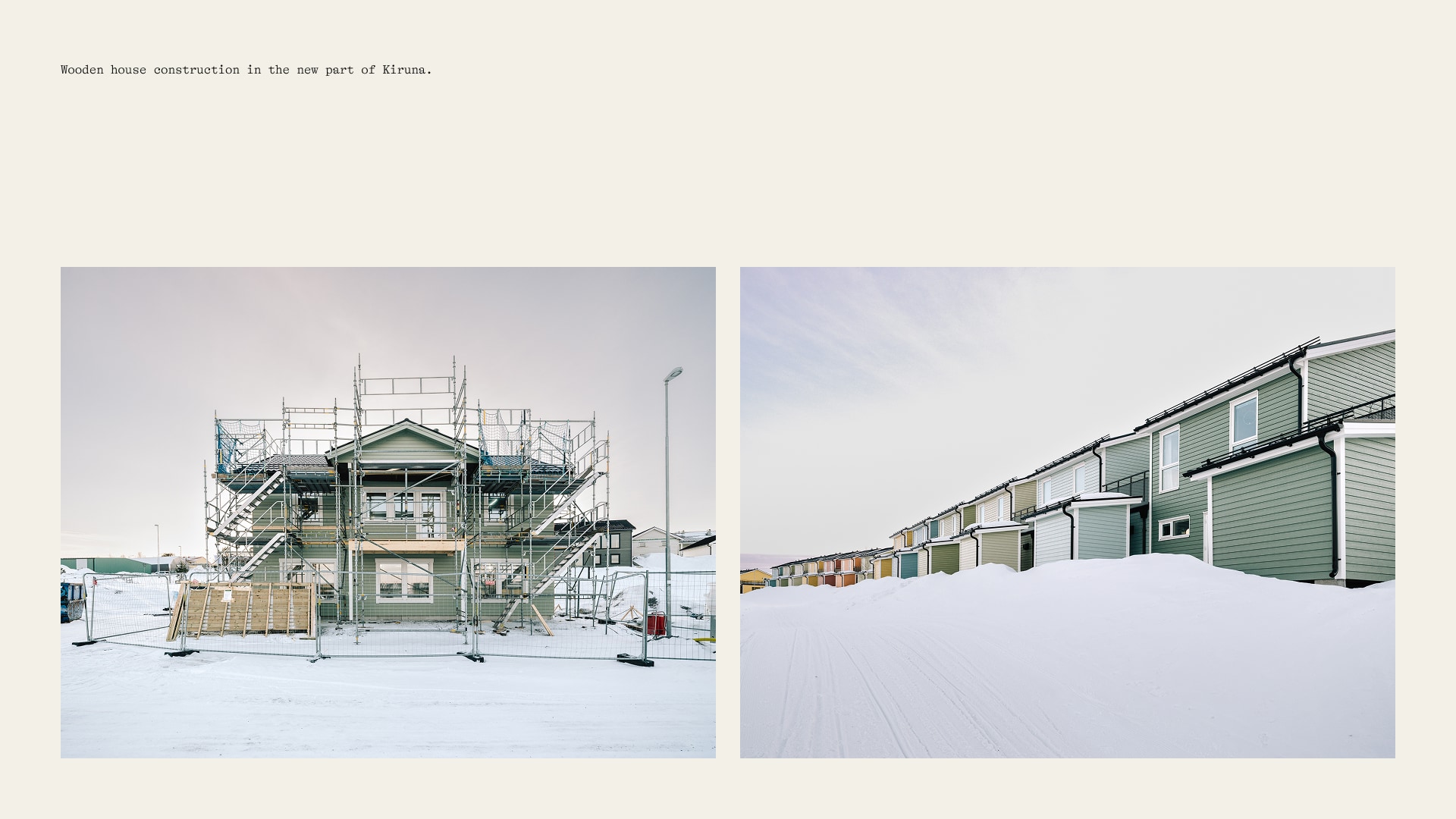
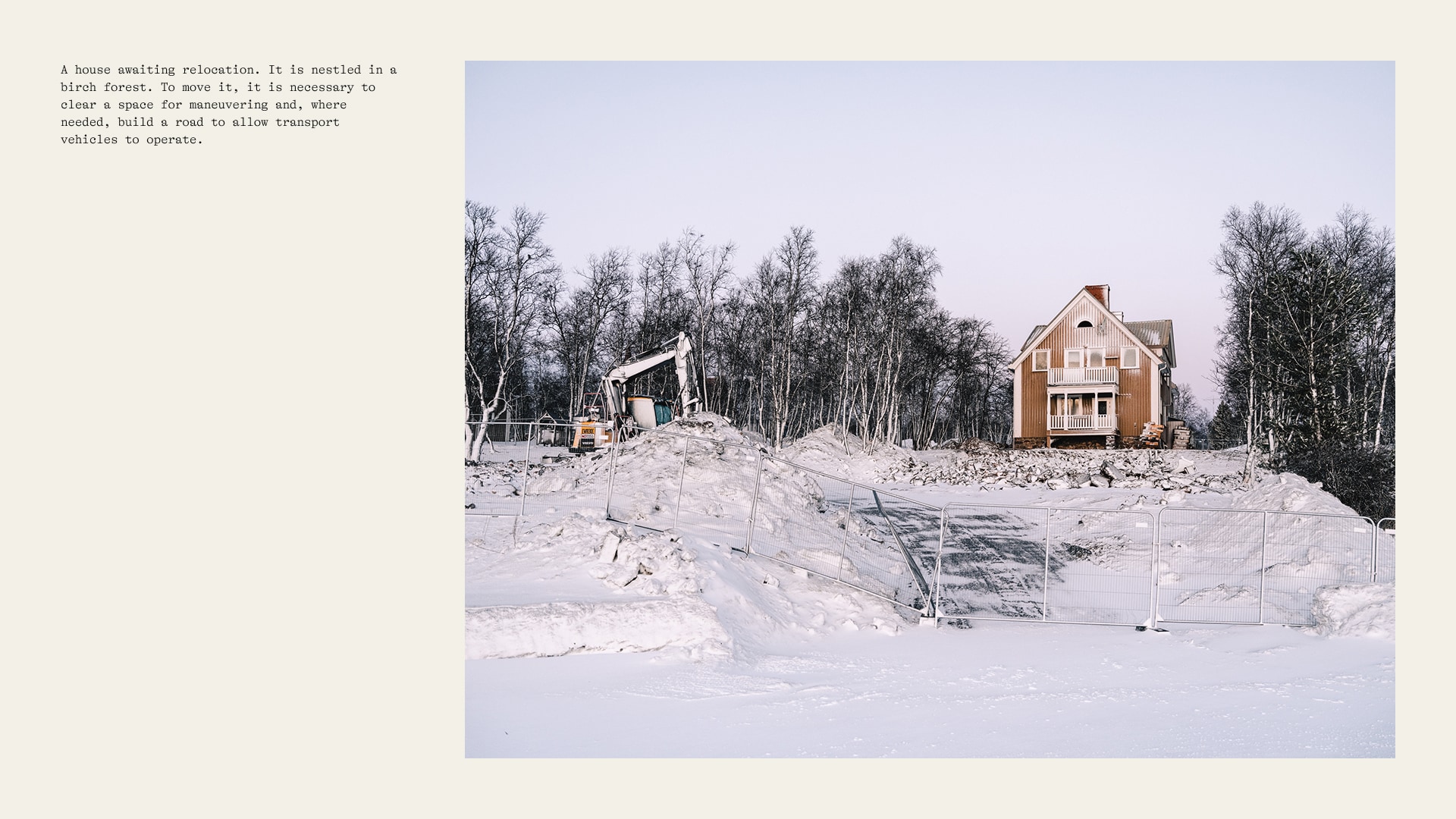
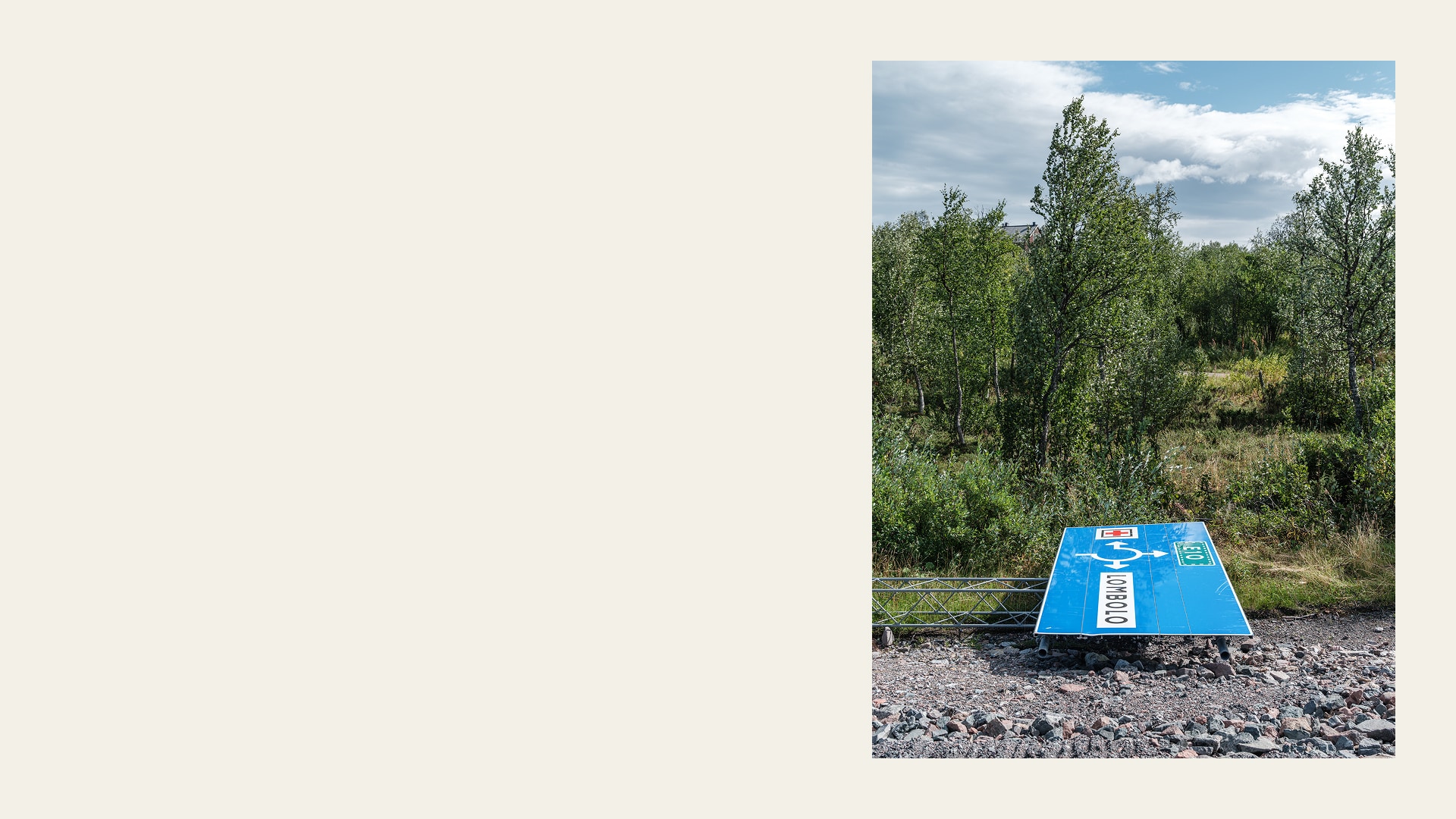
In recent years, the expansion of the underground tunnels has destabilized part of the ground on which the city stands, making it necessary to gradually relocate about a third of the buildings, infrastructure, and a significant portion of the population.
This process has led to one of the most radical urban transformations in contemporary Europe.
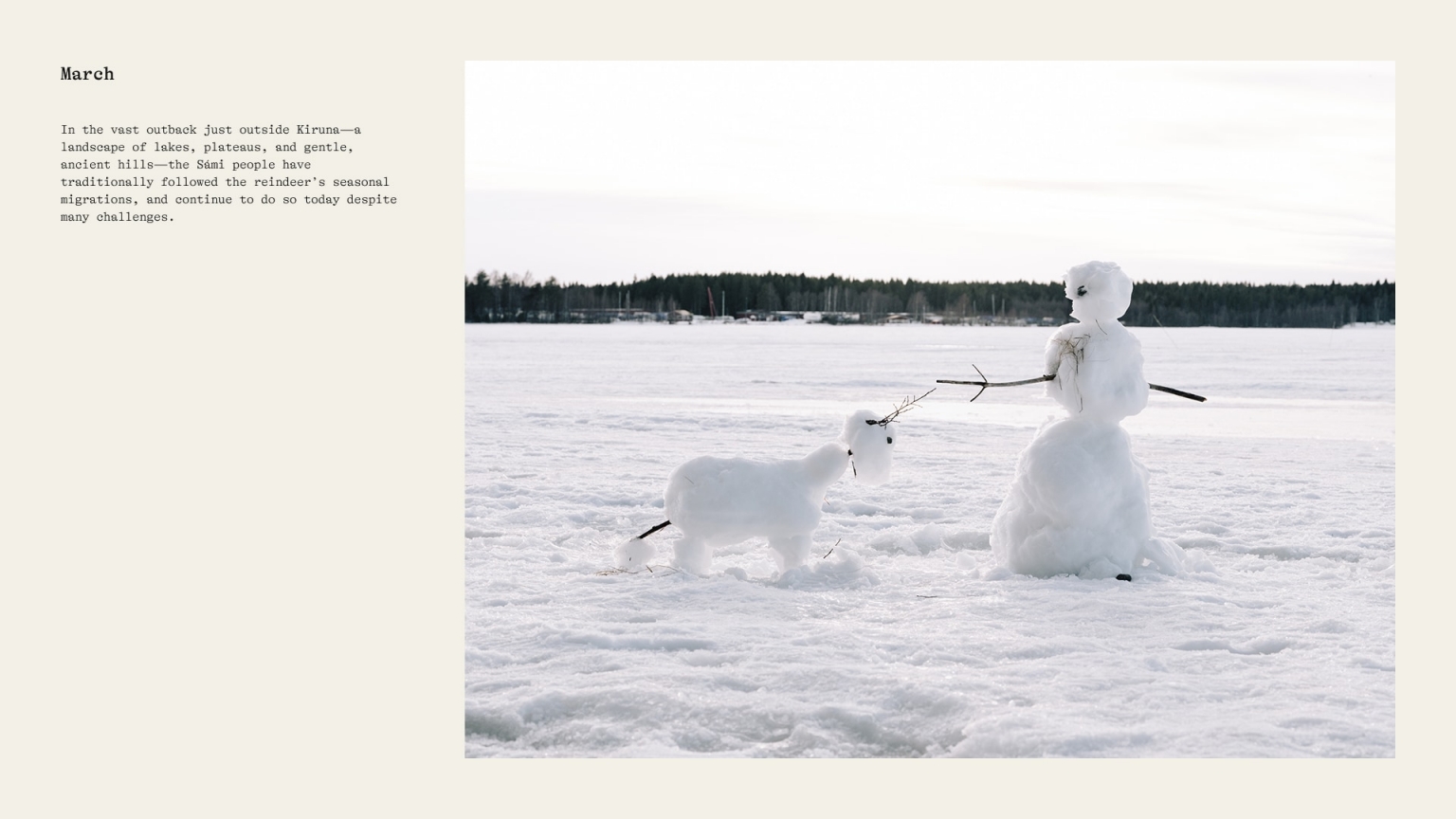
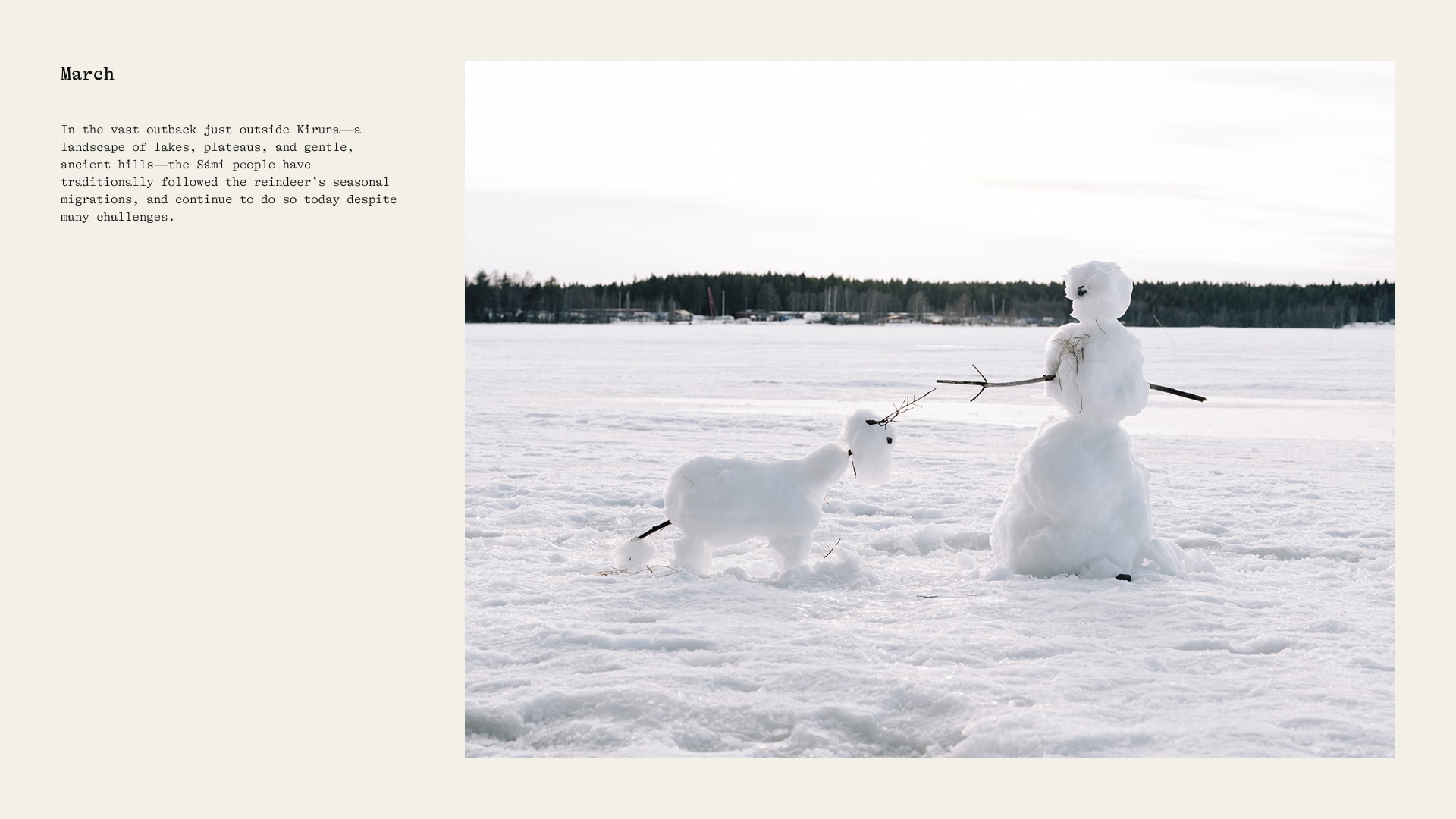
During my first visit, in March 2025, I began to observe this complex and layered reality; I came into contact with various city residents, mine workers, and members of the Sámi communities, who for centuries have inhabited and traversed these territories, following the seasons and the routes that nature offers them, in constant dialogue with it: an approach that stands in contrast to the modern utilitarian vision.
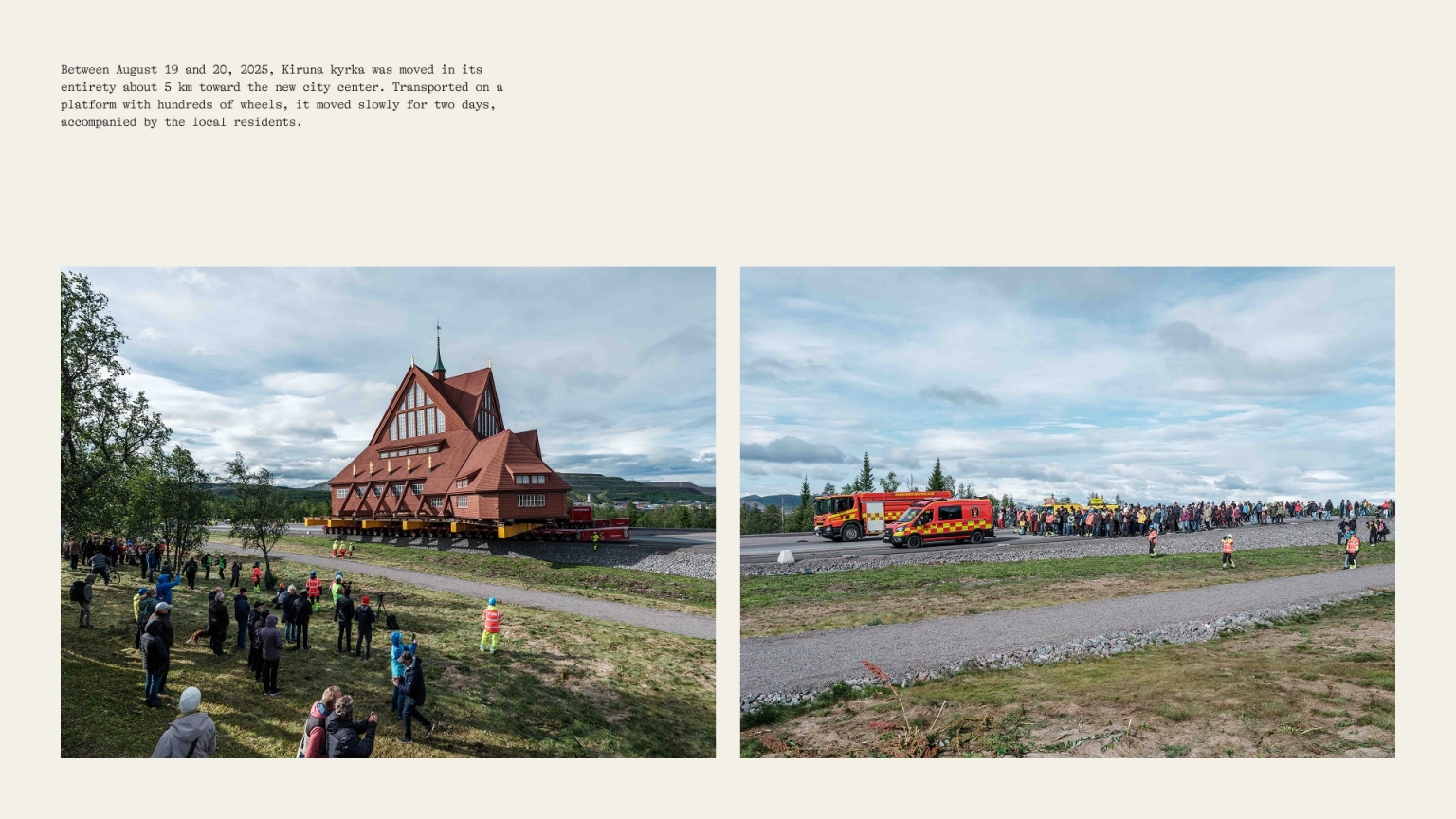
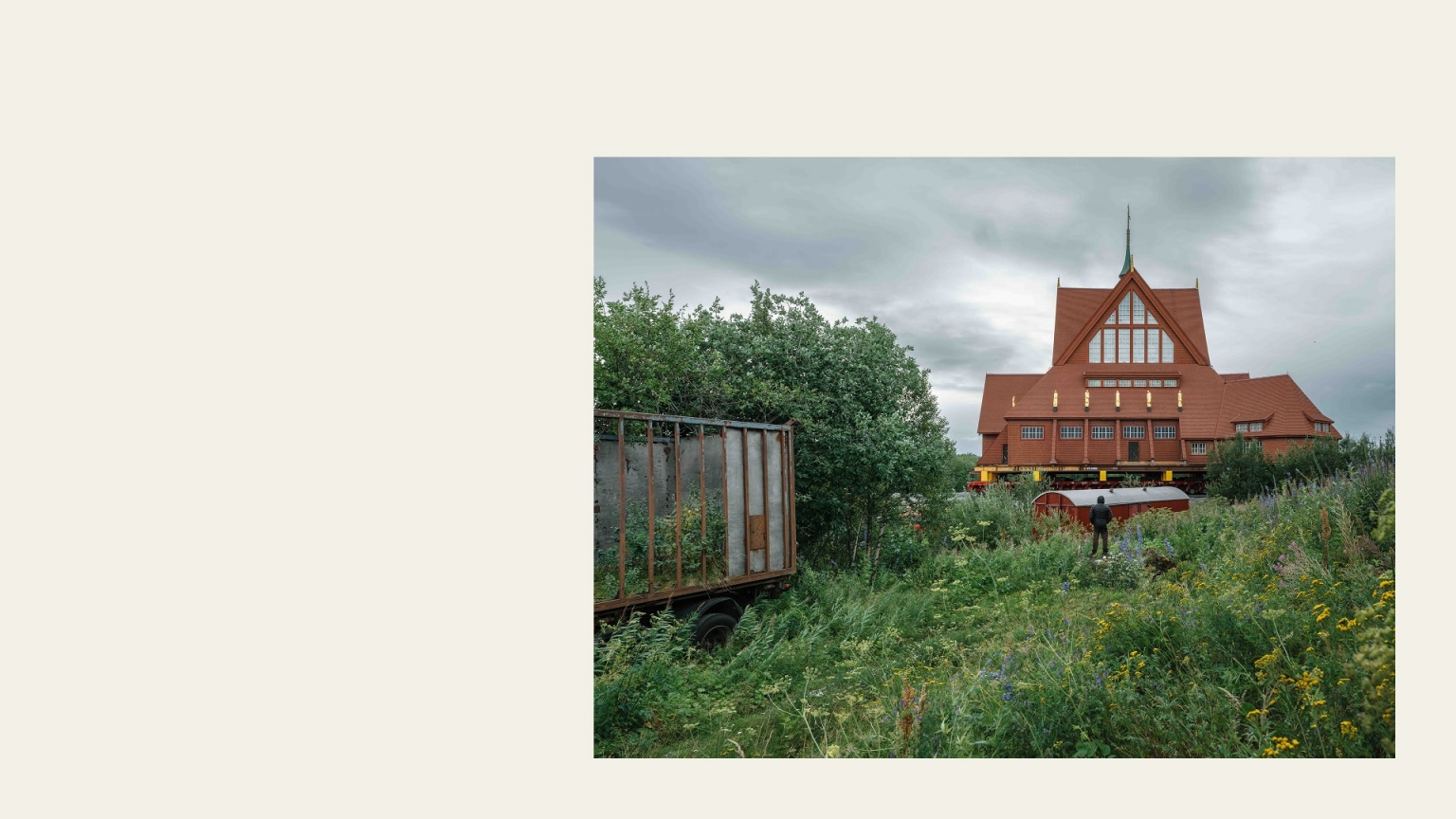
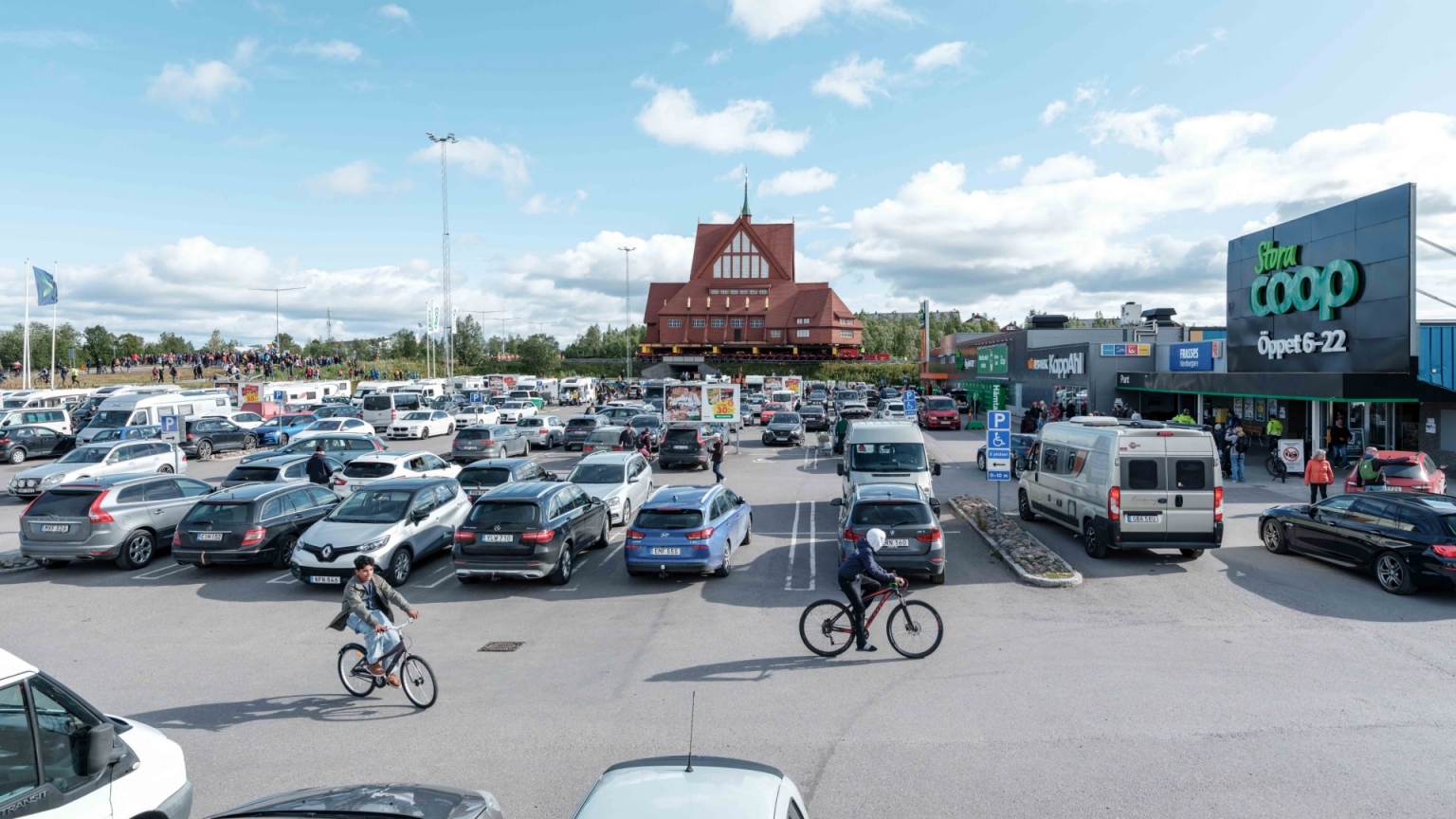
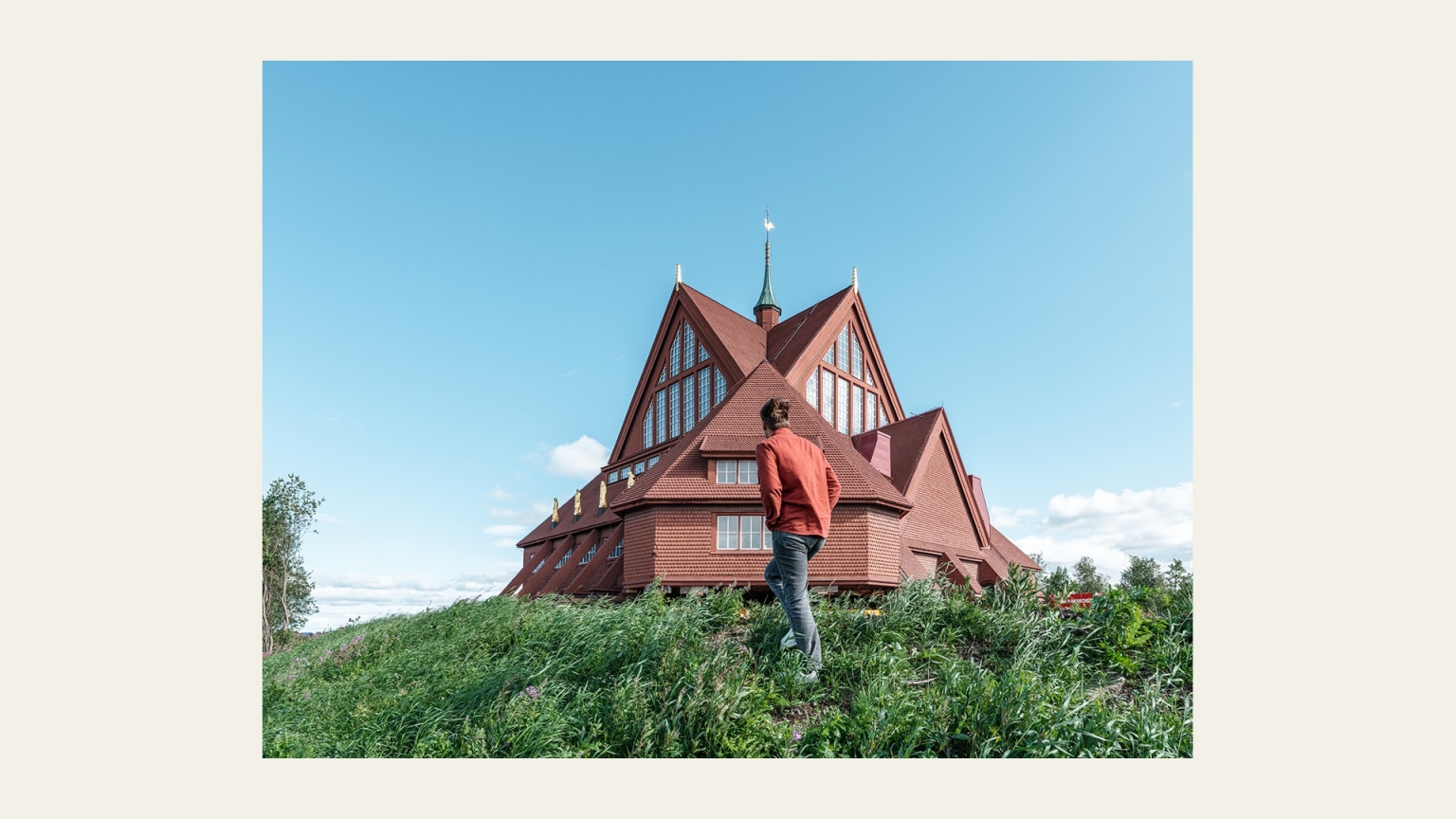
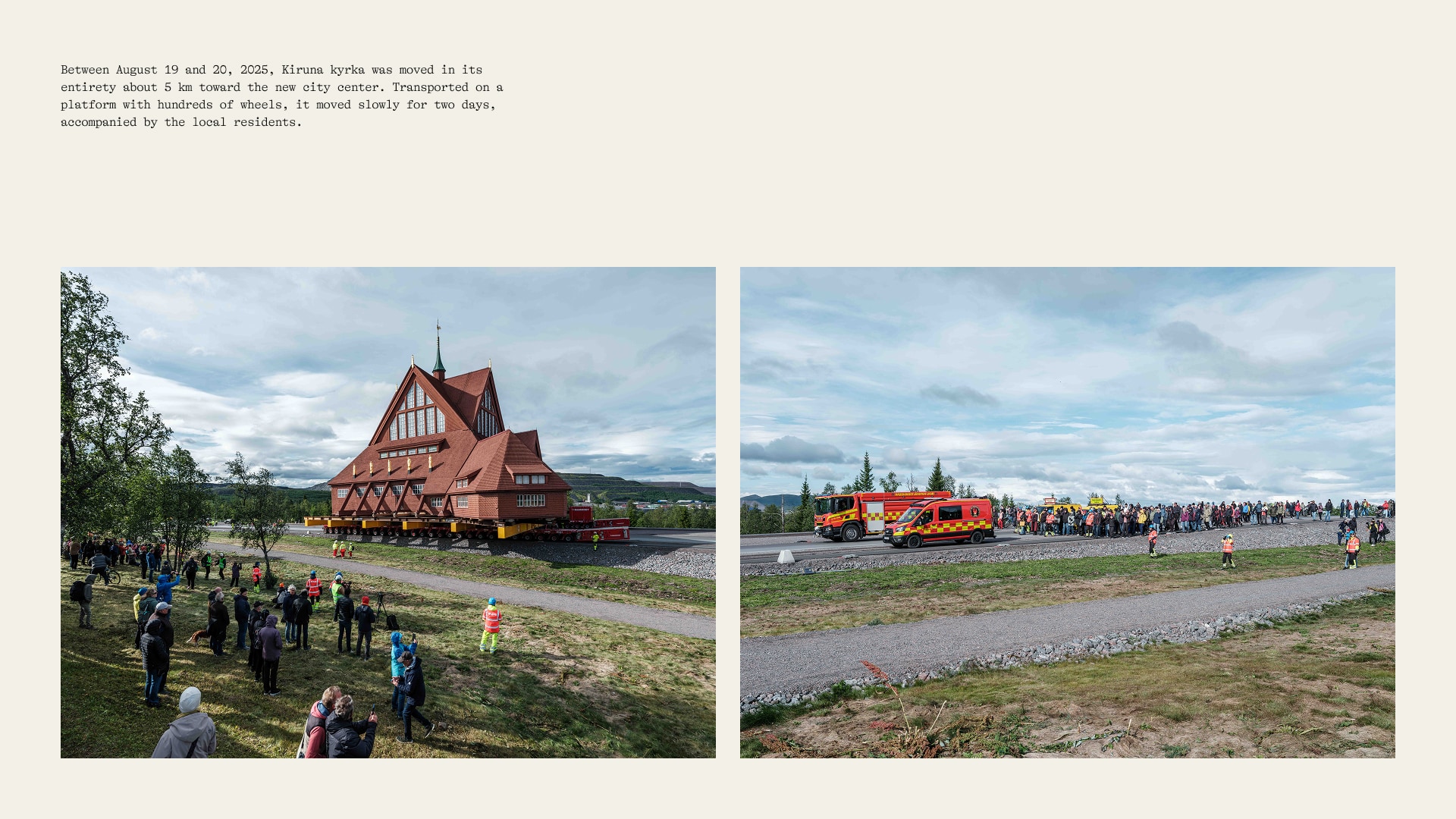
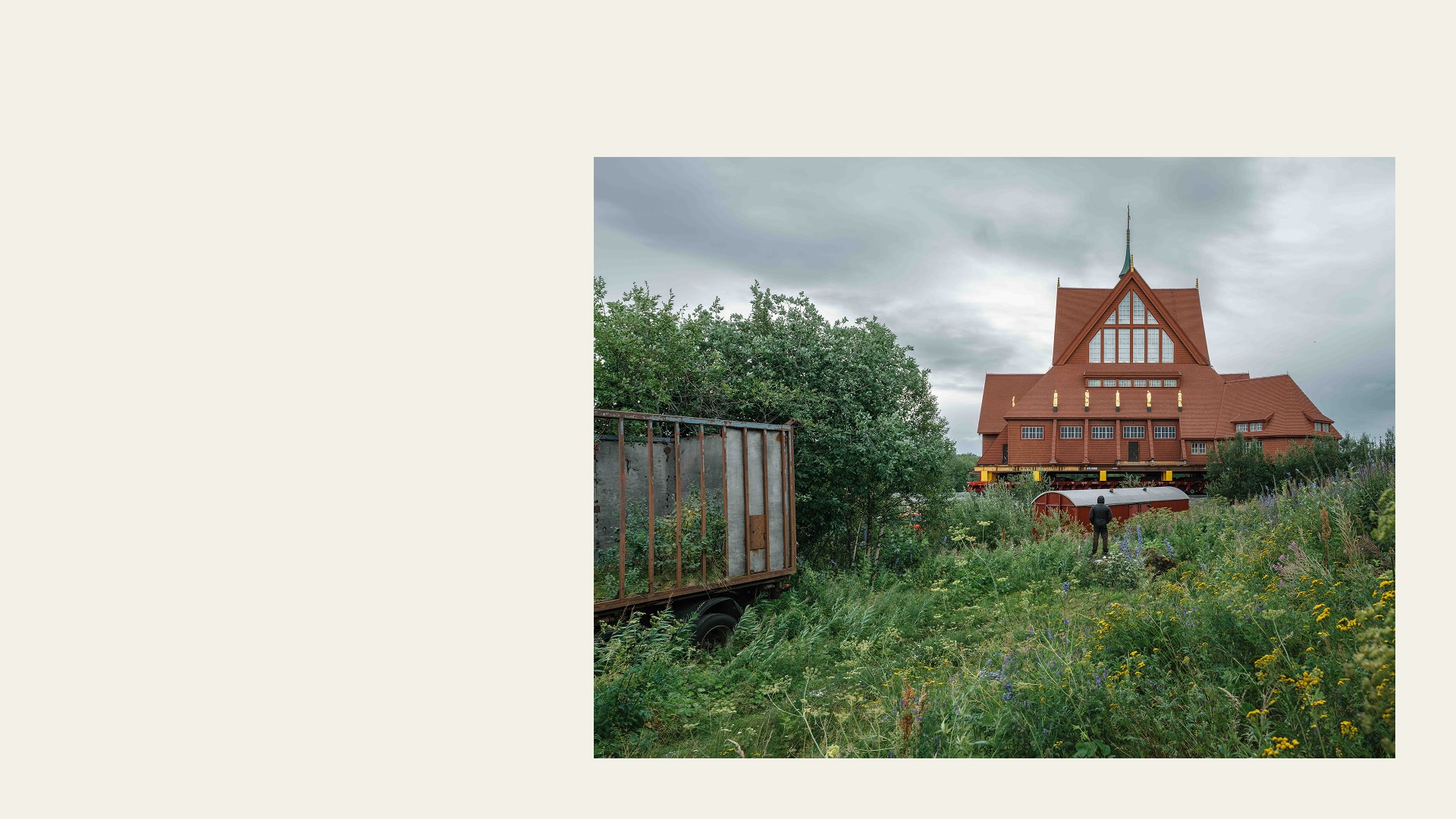
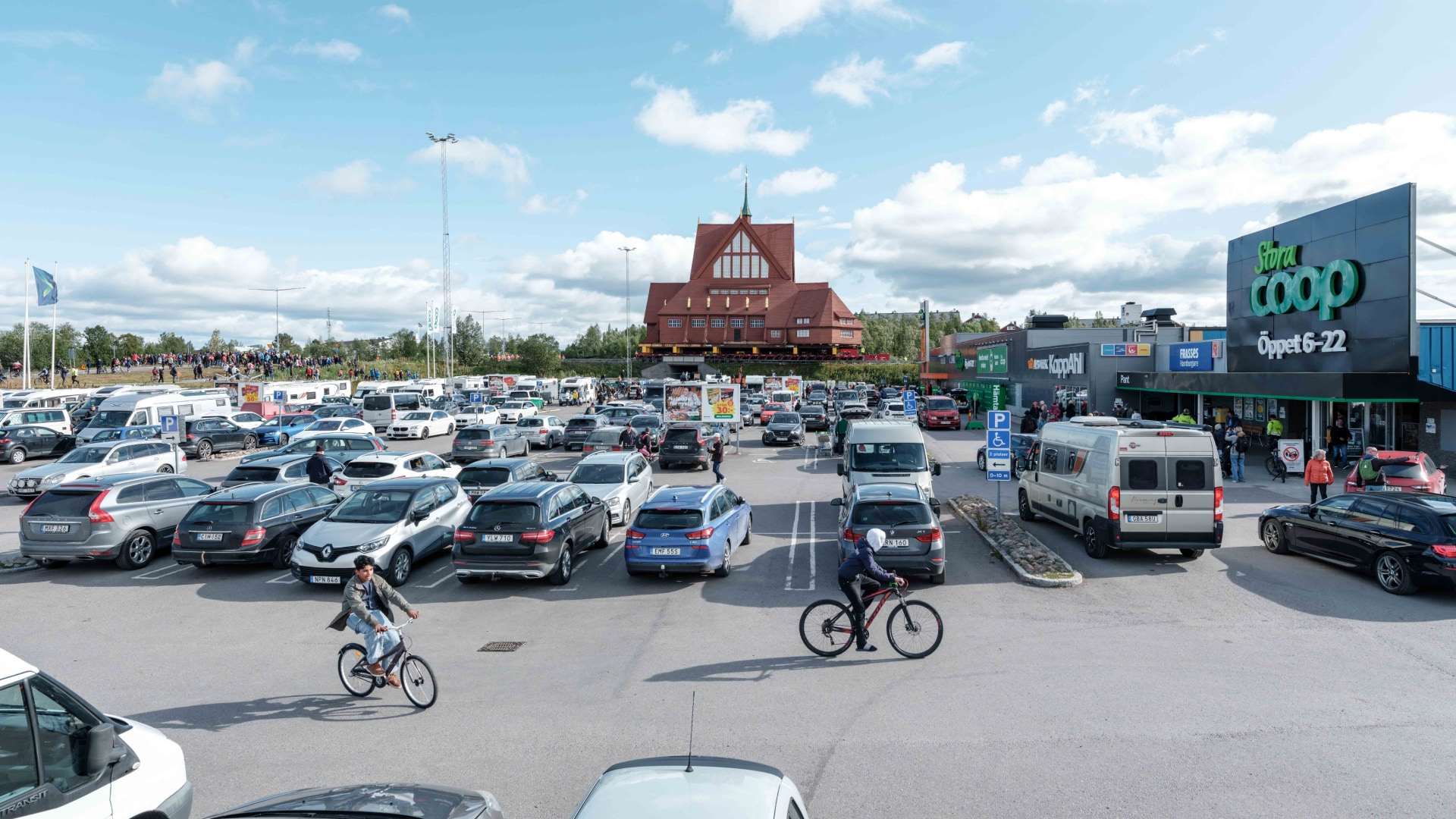
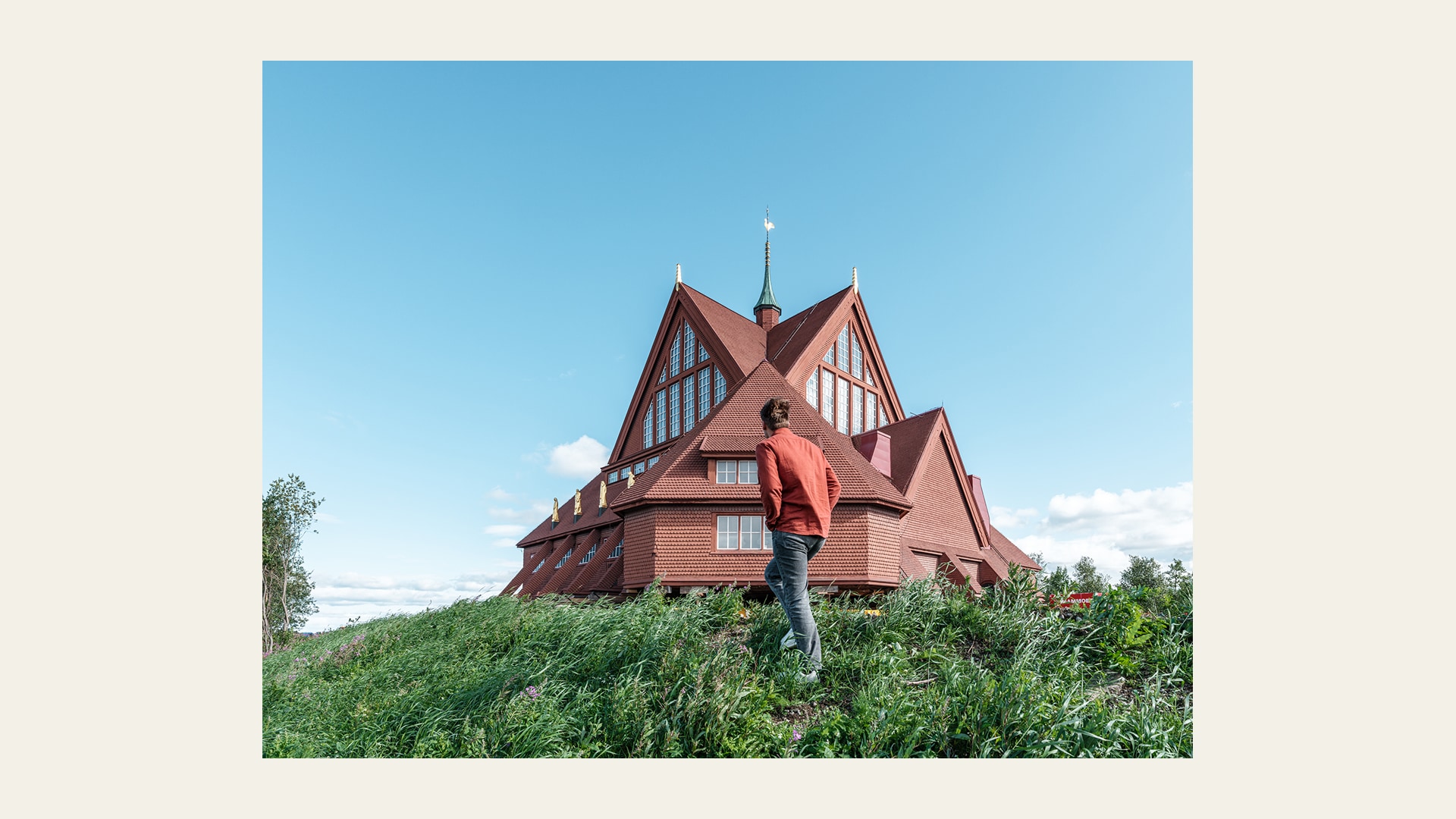
In August of that same year, I returned to Kiruna to document one of the most symbolic events of this transformation: the relocation of the church, a building constructed in the early 20th century and one of the community’s landmarks.
The relocation of the building, carried out through a complex engineering operation, represented both a technological success and an emotionally charged moment for many residents, visibly marking the transition from the old city to the new one.
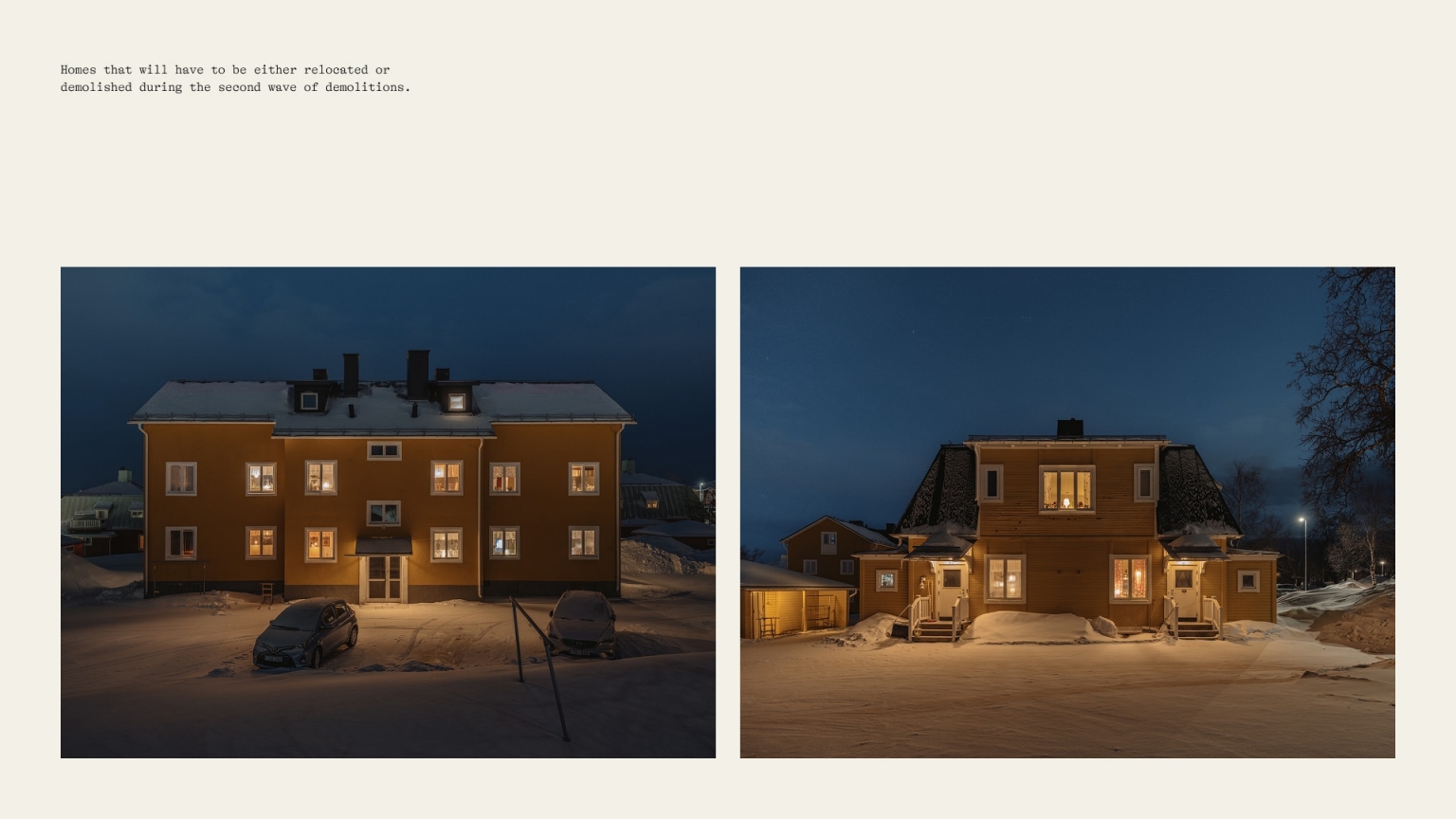
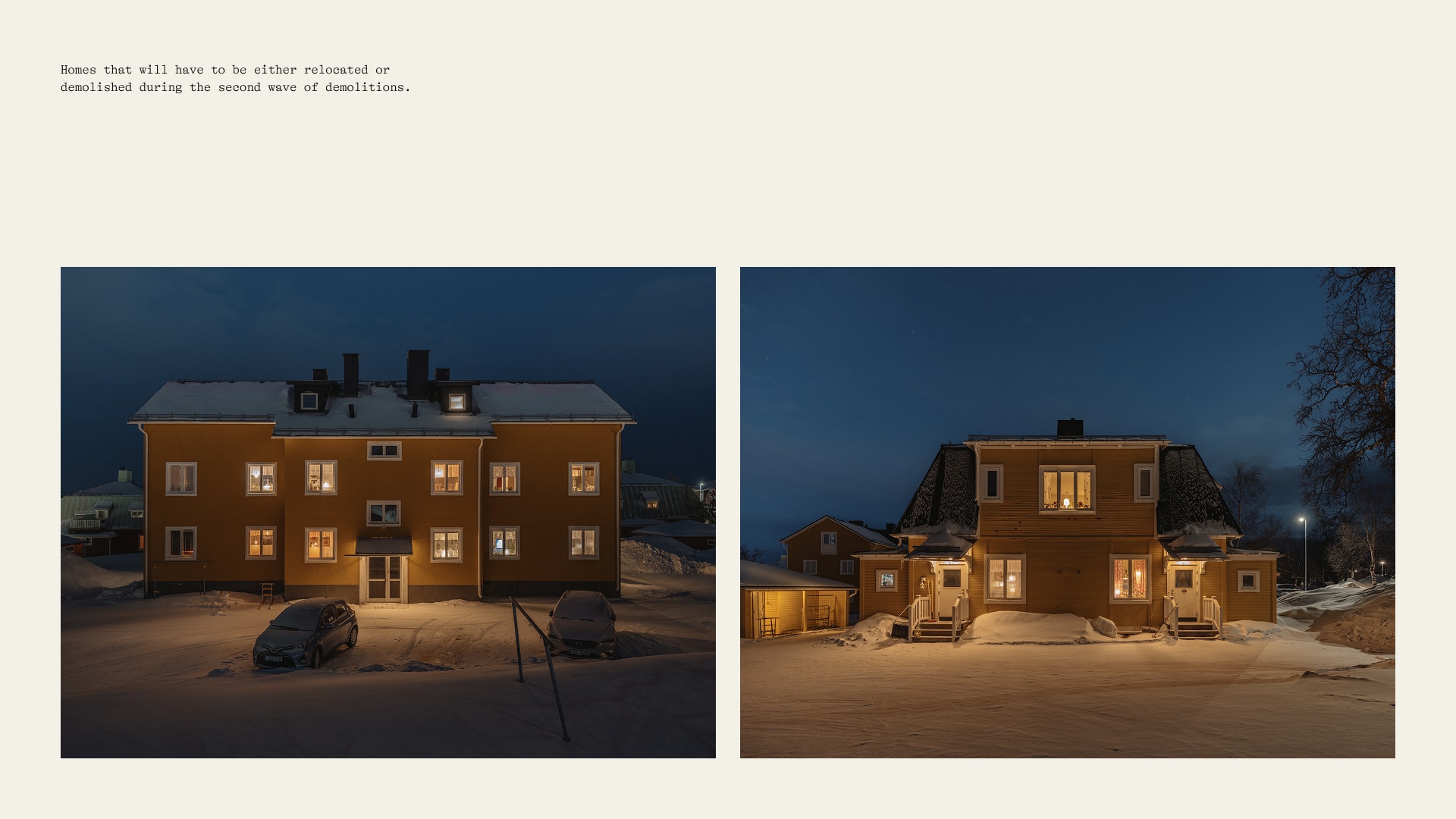
A few days later, LKAB officially announced that another part of the city would need to be relocated in the coming years. In total, 12,000 out of 18,000 people—about two-thirds of the entire city—will be relocated.
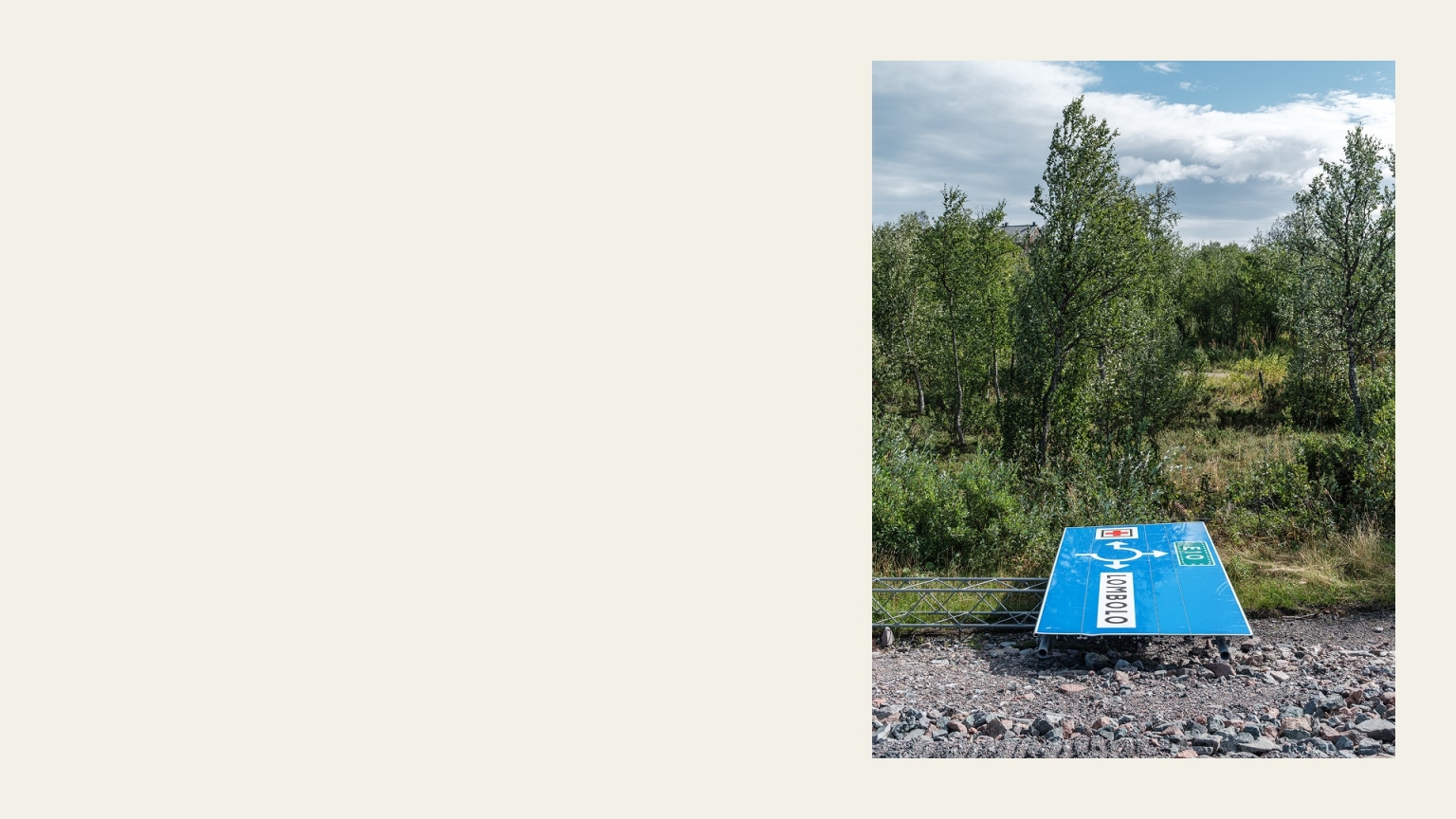
The images collected during these two periods serve as visual notes for a broader research project focused on the transformations of Kiruna and the contemporary Arctic region.
In this initial phase, given the time I had available, I was able to observe key elements such as the landscape and architecture. A more comprehensive study of Sami culture and life—of the human element, with its stories and relationships—will be possible with more time and further travels.