Grønt Marked
Copenhagen, 2024
How a farmers’ market builds community, sustainability and economy in Danish agriculture.
When you think of Denmark today, you might envision the New Nordic Cuisine’s excellence, or Noma—the restaurant crowned the world’s best five times by Restaurant magazine, or the acclaimed series “The Bear”.
However, beyond these highlights, Denmark is predominantly a country where consumers depend on large retailers, and many farmers cultivate extensive plots intensively, mostly for animal fodder.
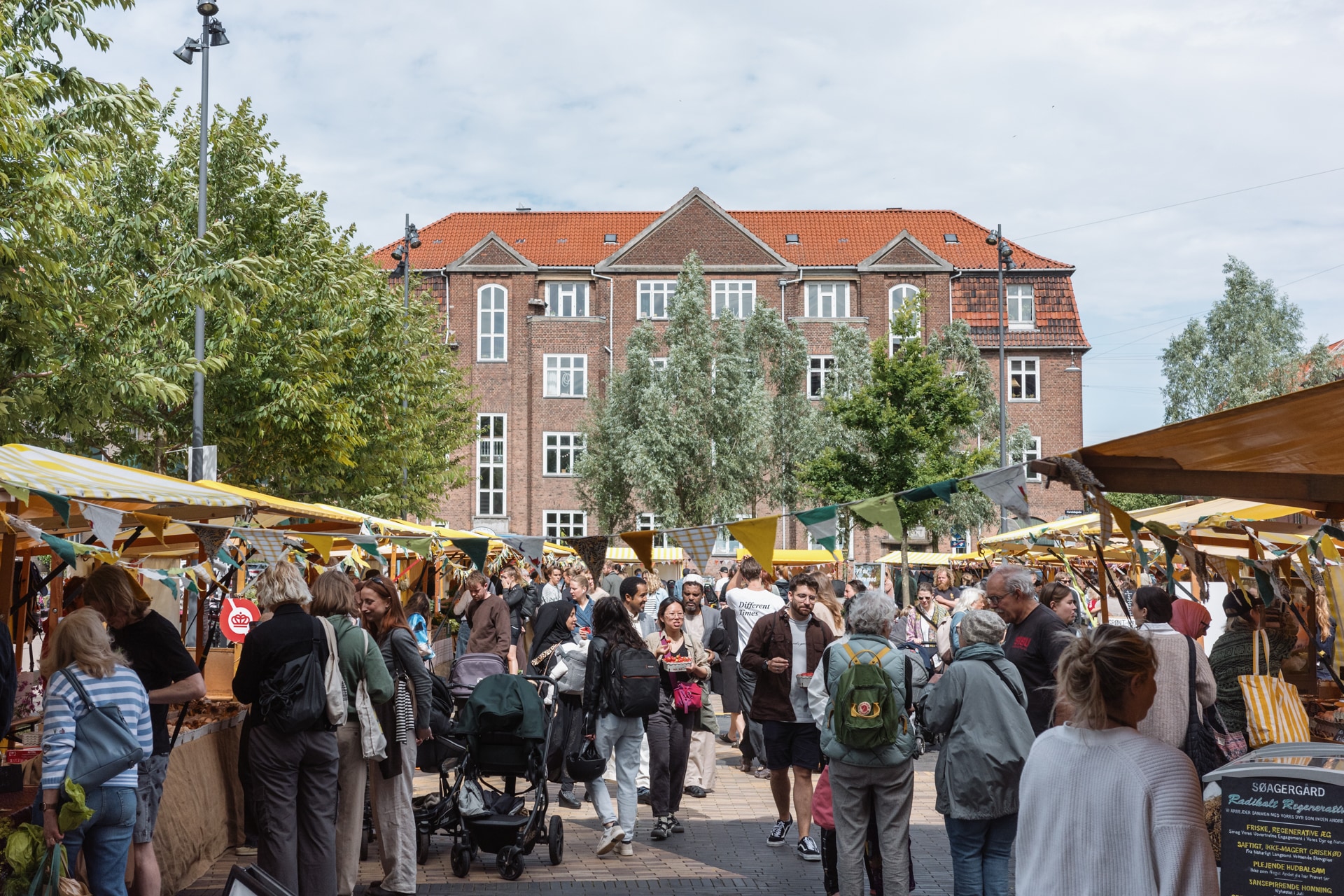
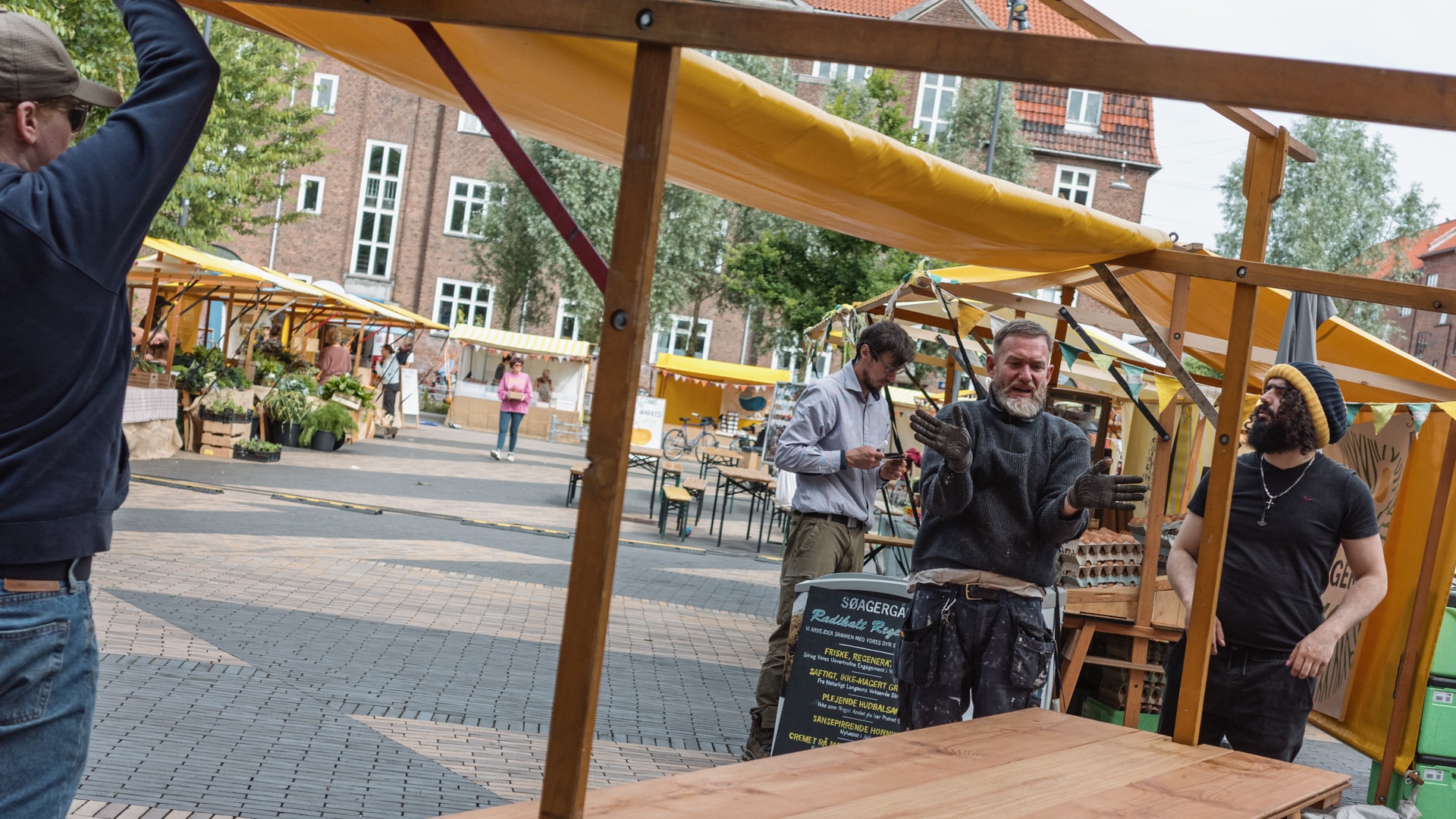
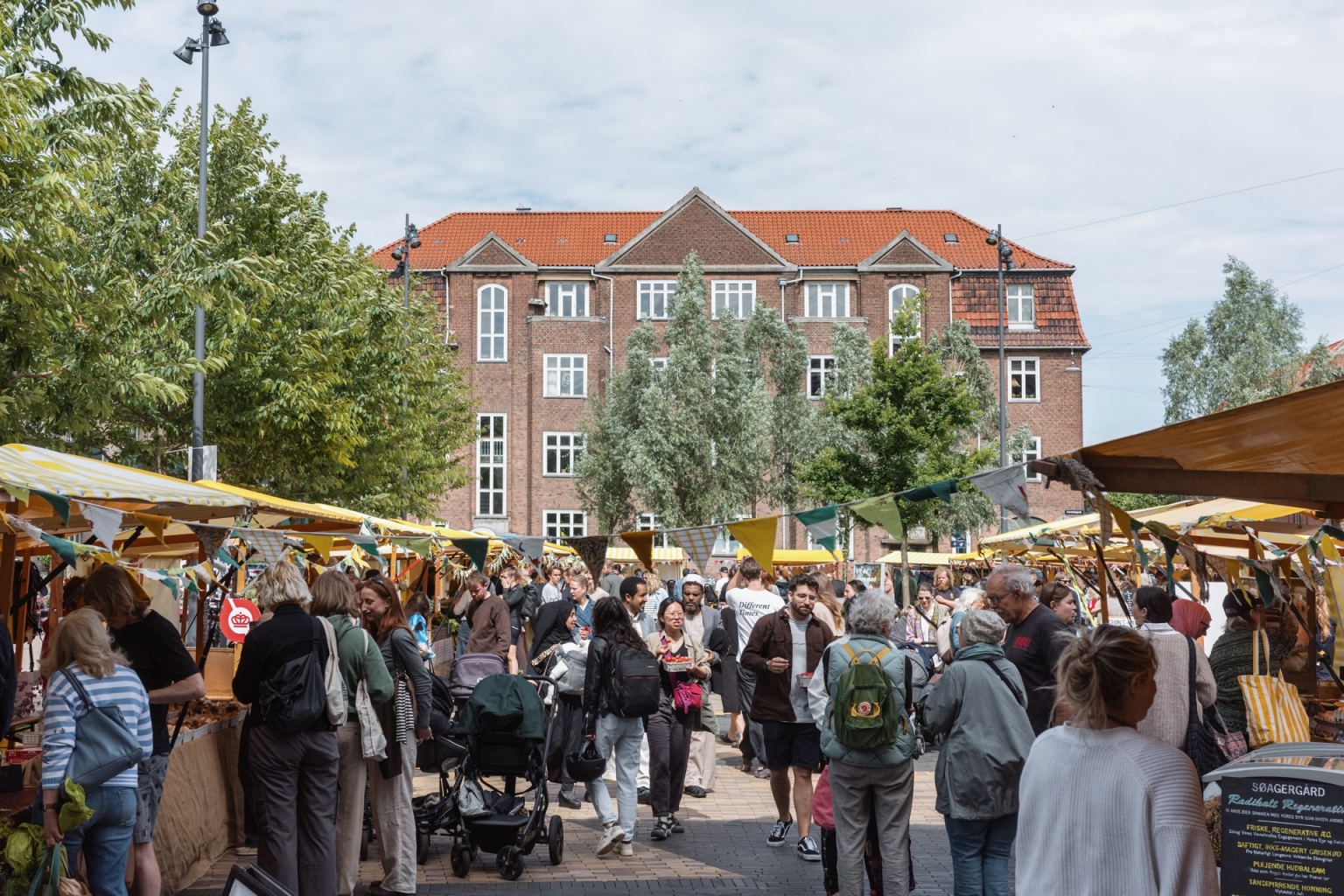
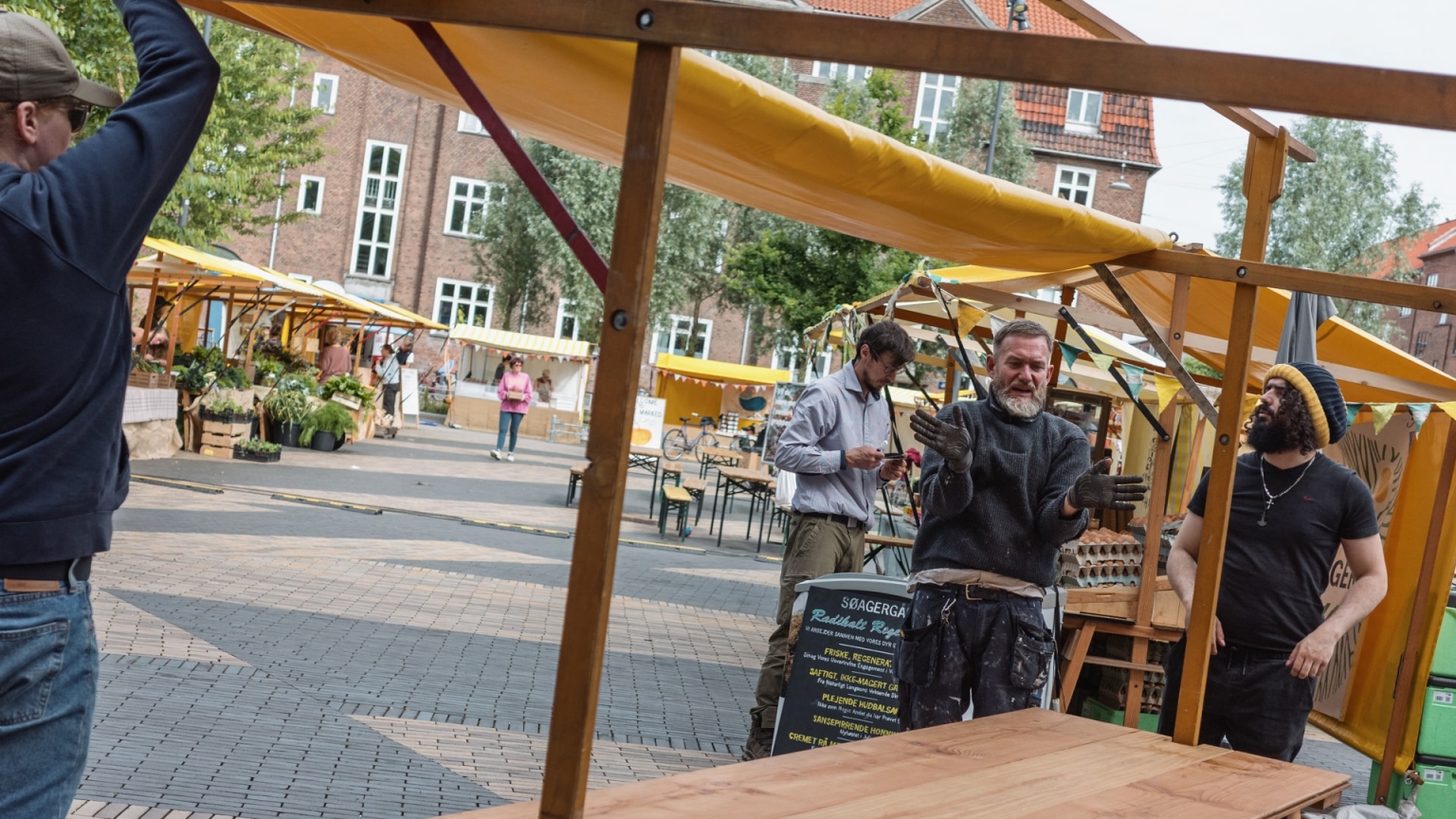
In 2019, a group of visionaries from different countries founded Grønt Marked, a unique Danish farmers’ market. This market travels to different neighborhoods in Copenhagen every Sunday from May to December.
It’s a place where small producers and consumers connect, engage in meaningful dialogue, and build relationships that go beyond mere transactions.
More than an economic hub, Grønt Marked is a social network fostering real trust and exchange. Farmers not only meet friends and customers but also establish long-term collaborations with local restaurants.
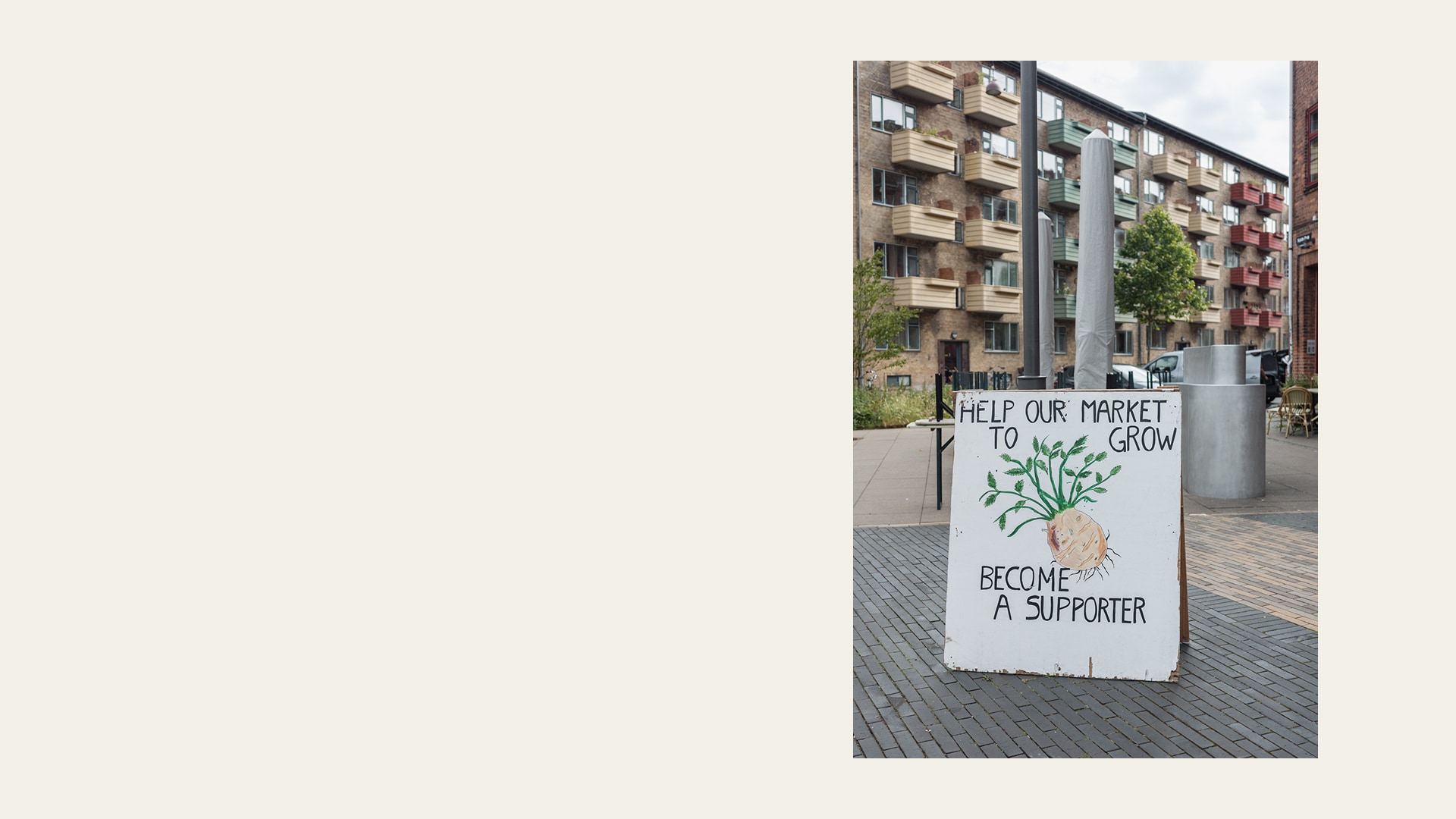
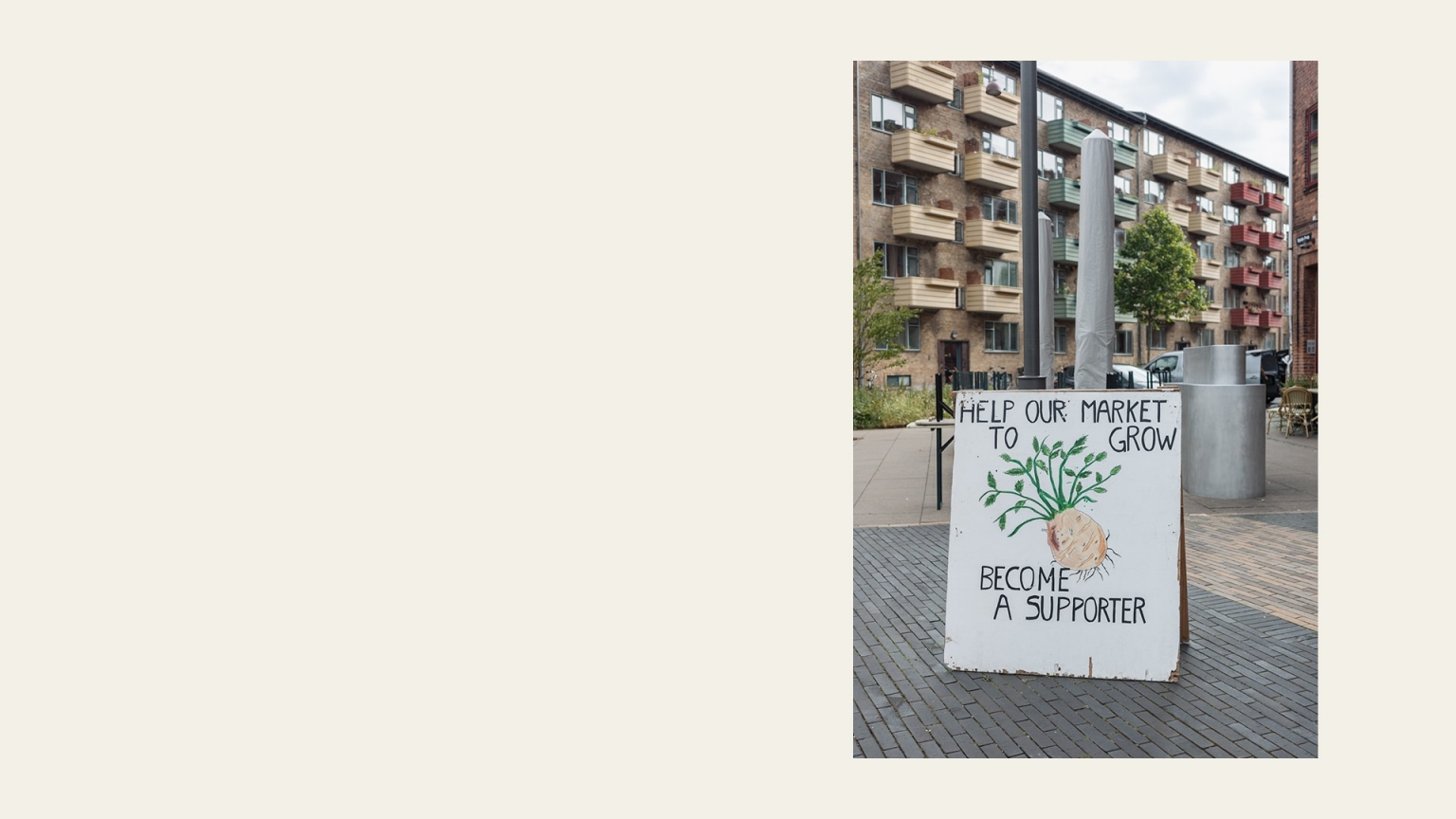
The market promotes a culture of sustainability, encouraging people to buy seasonal products and support democratic agriculture. This growing model allows even small farms to thrive by focusing on quality over quantity.
Viola, an Italian co-founder with a degree in Gastronomic Sciences, highlights the market’s growth over five years—from a few stalls to 70 producers, rotating 20 at a time each Sunday.
In 2021, Viola and Grønt Marked played a pivotal role in founding the World Farmers Markets Coalition. This international association connects 70 farmers’ markets across 50 countries, underscoring the importance of farmers’ markets in bolstering local food systems.
During my visit to Grønt Marked, I had the opportunity to speak with Viola about both Copenhagen’s local market dynamics and the broader implications of the World Farmers Markets Coalition.
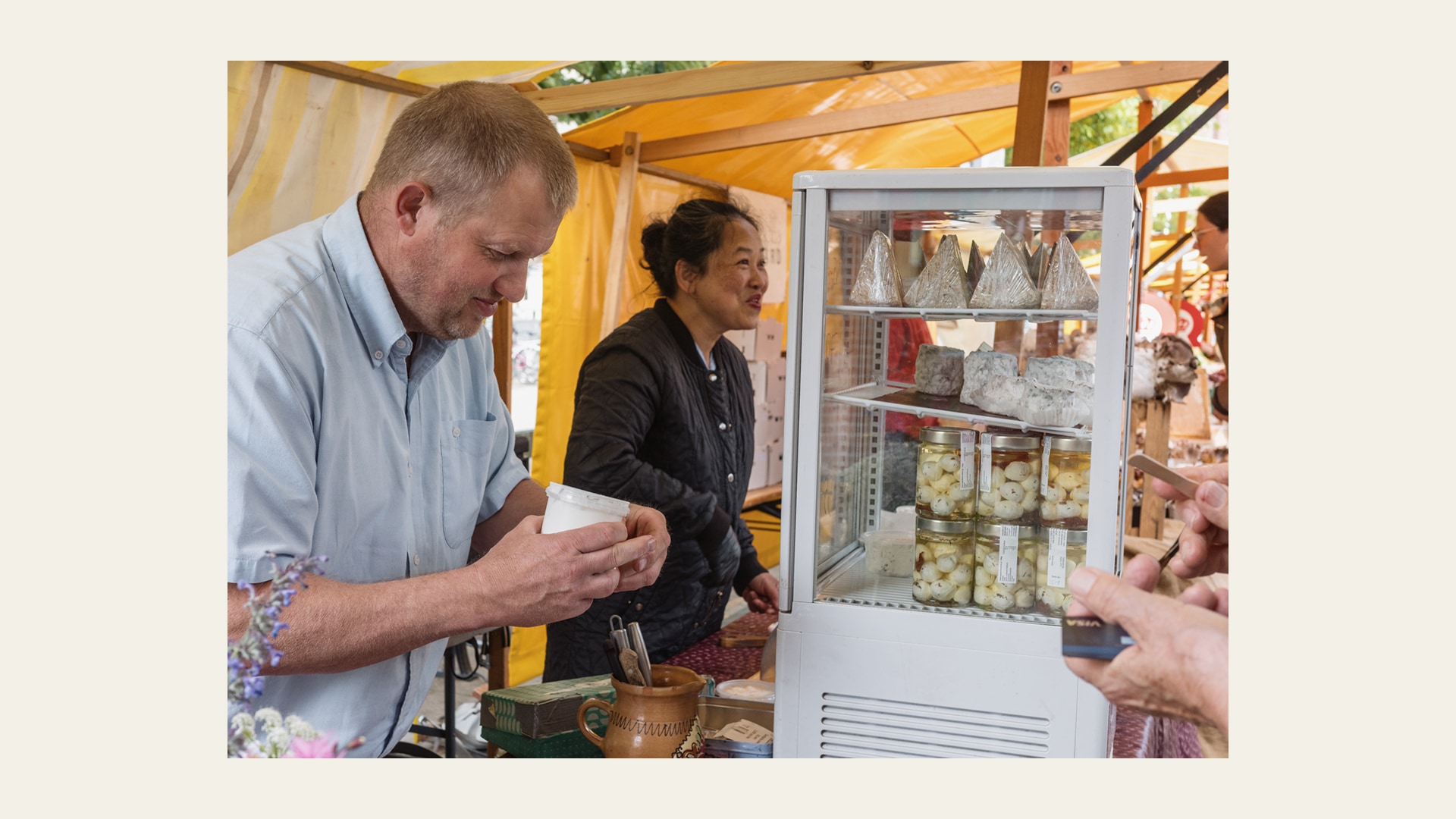
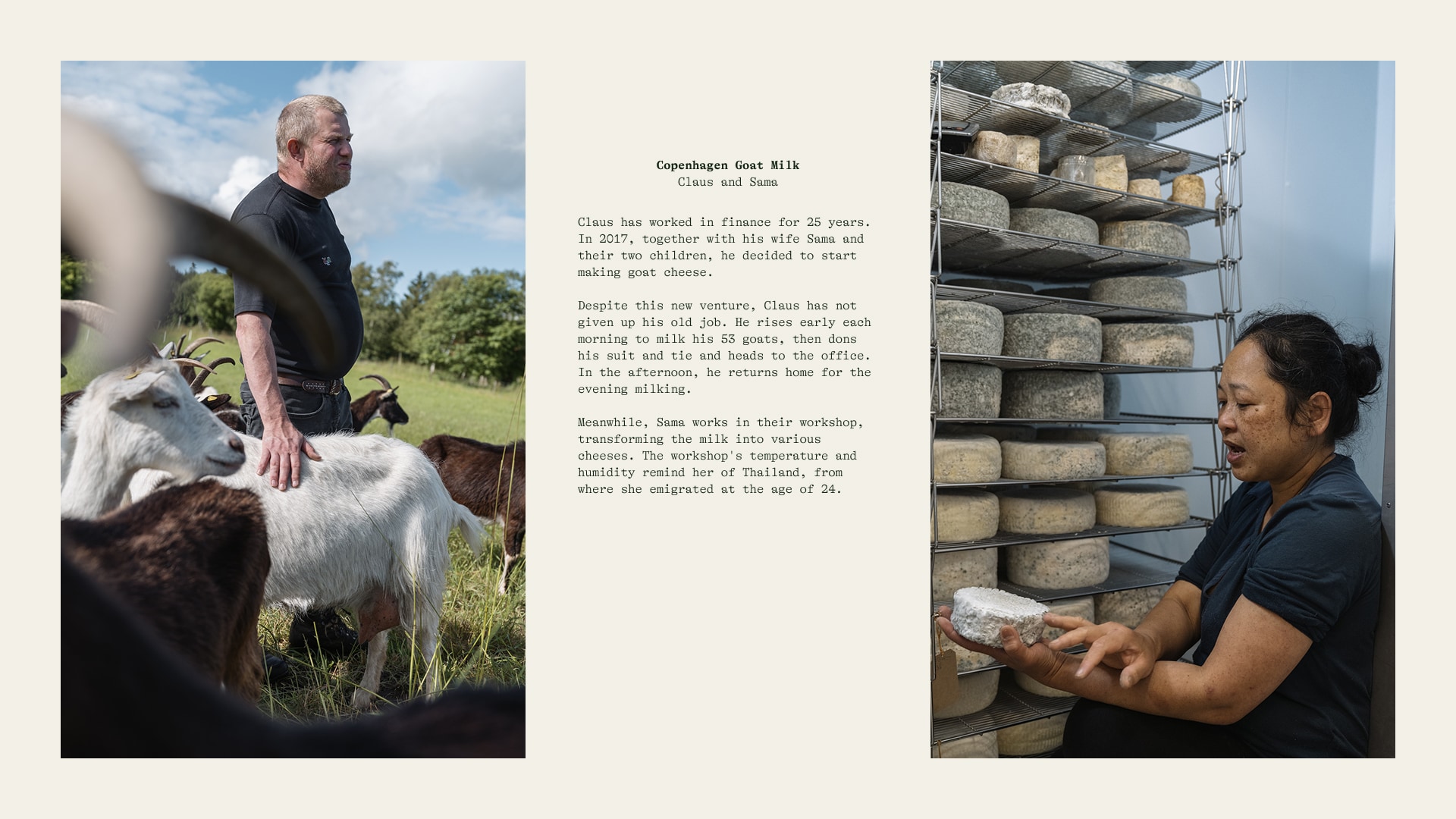
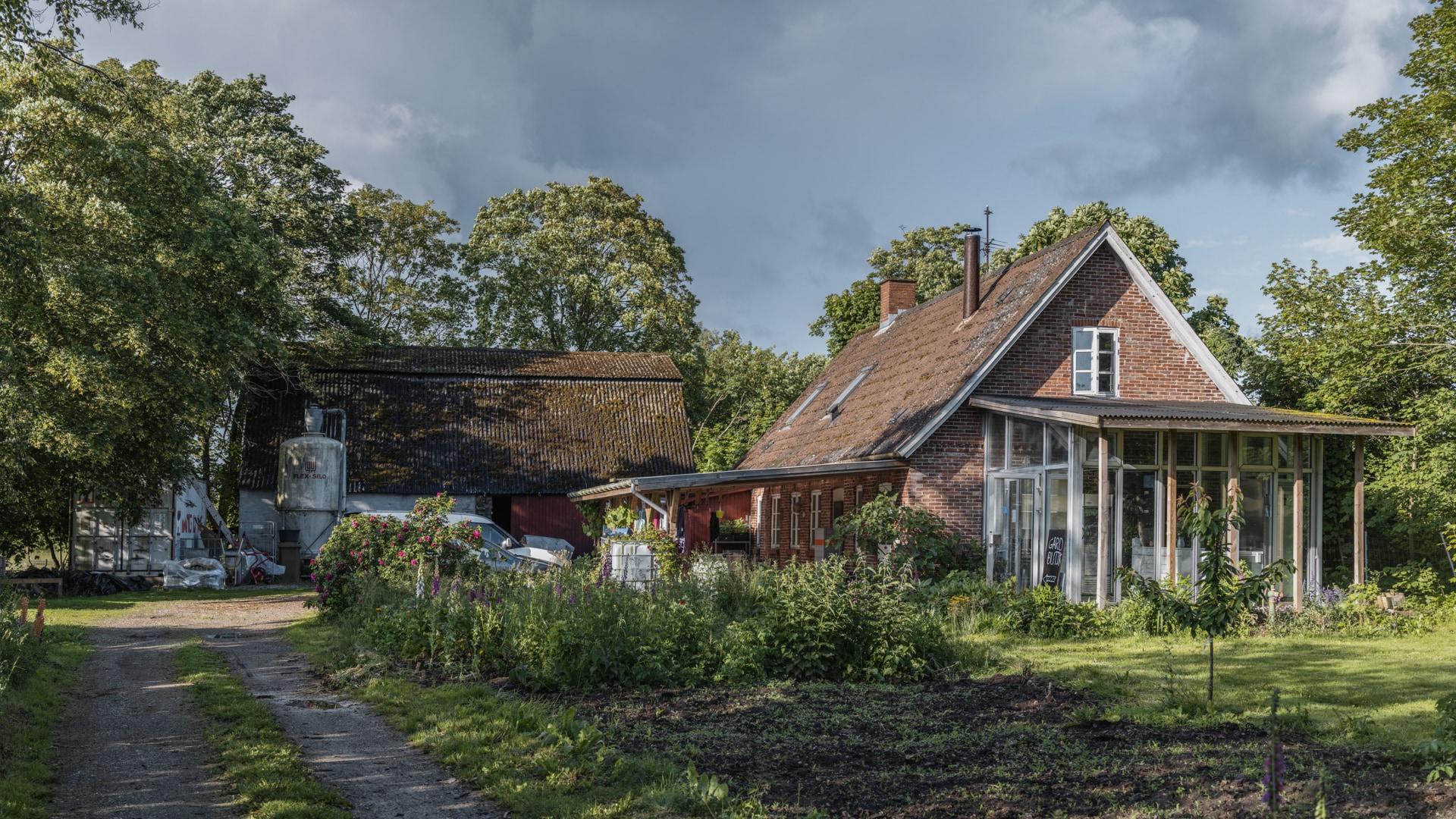
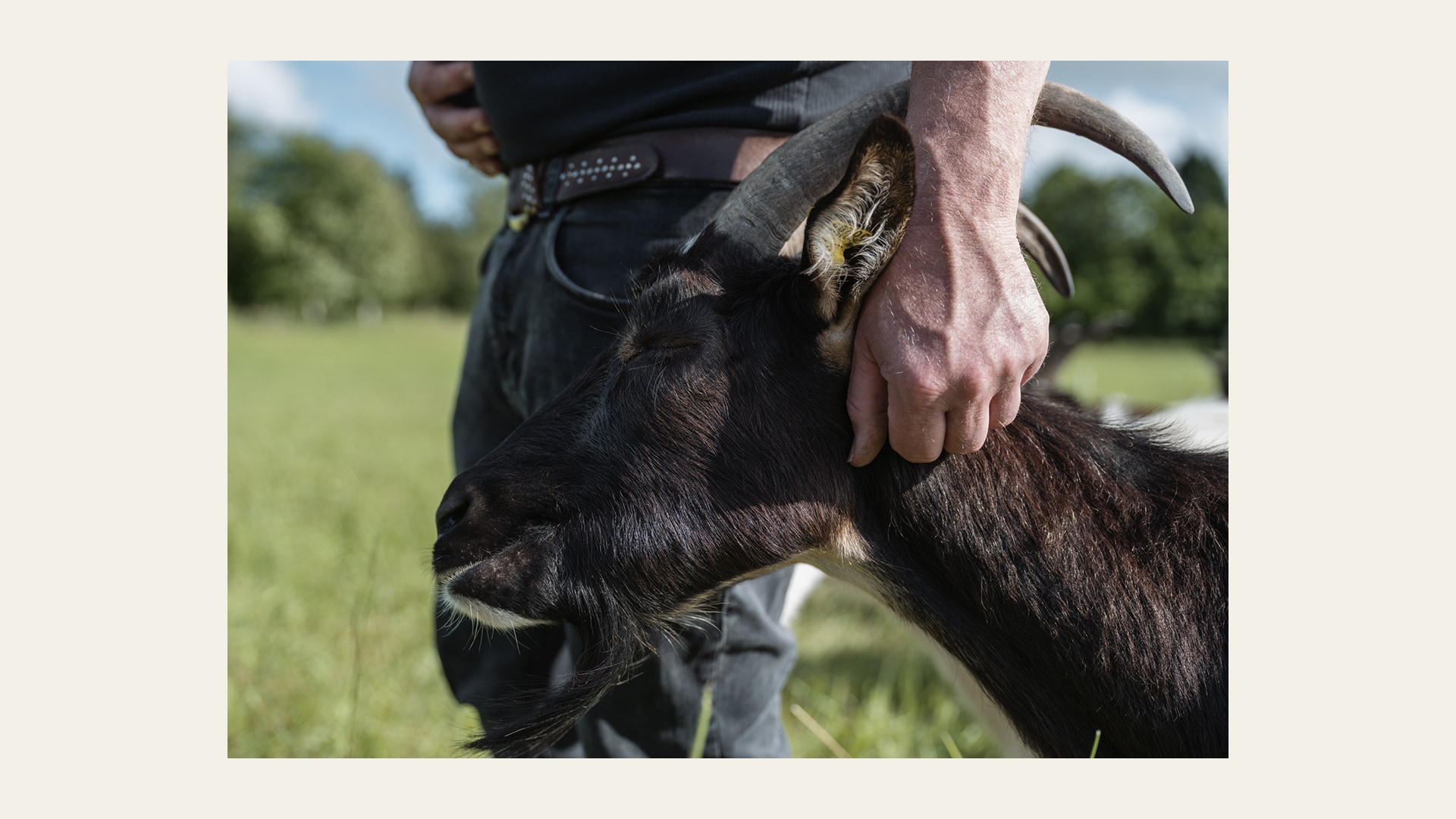
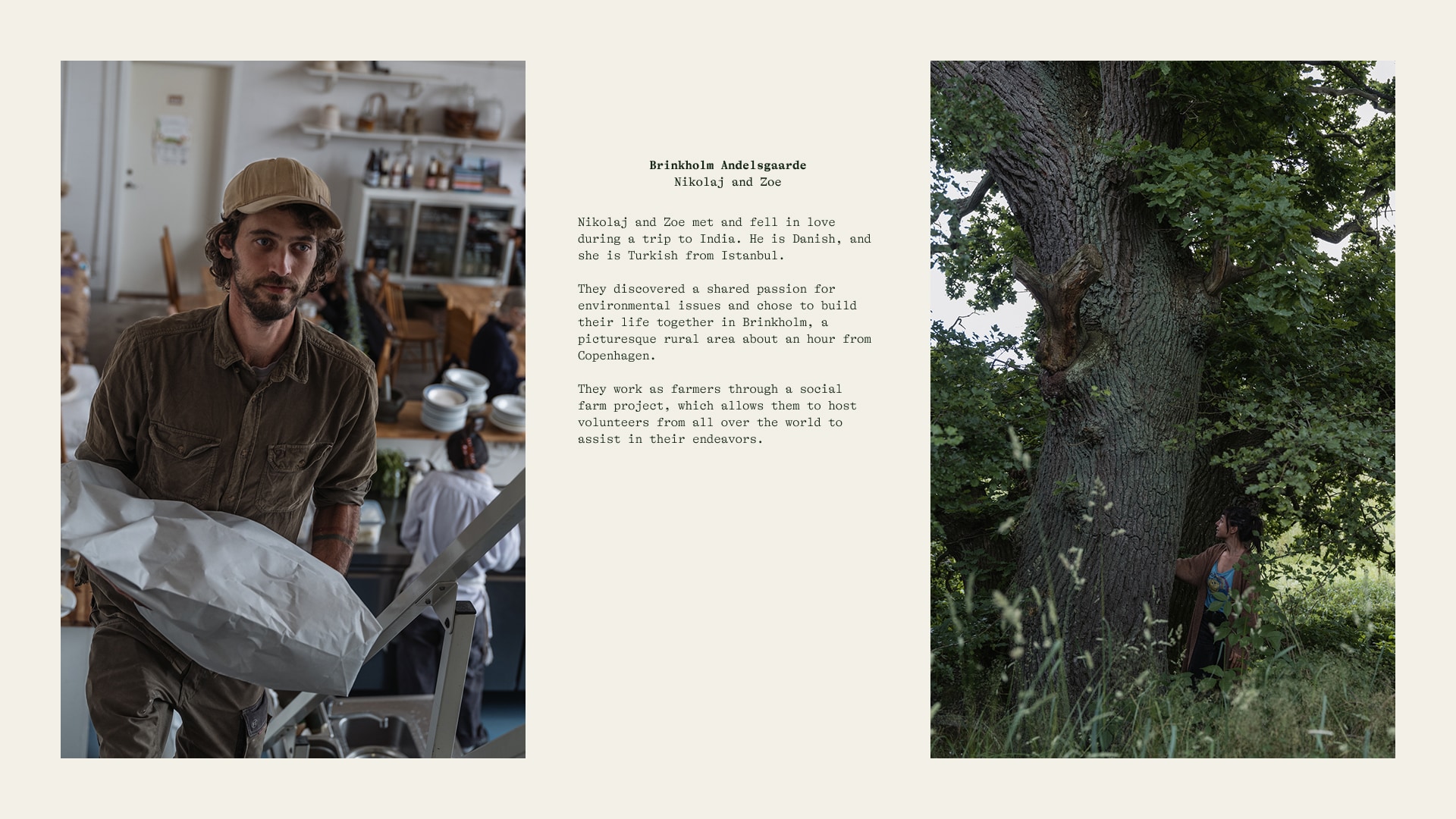
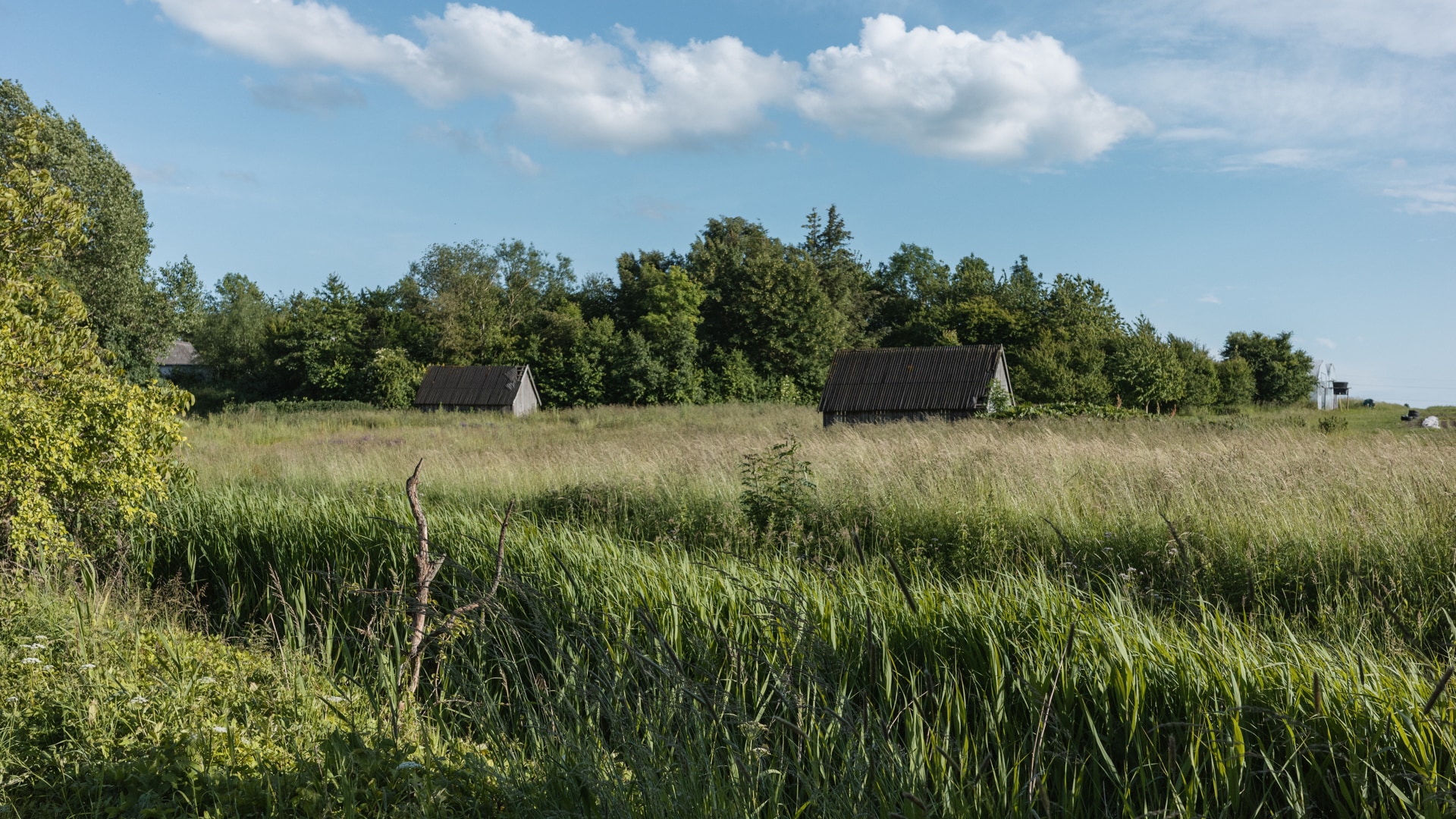
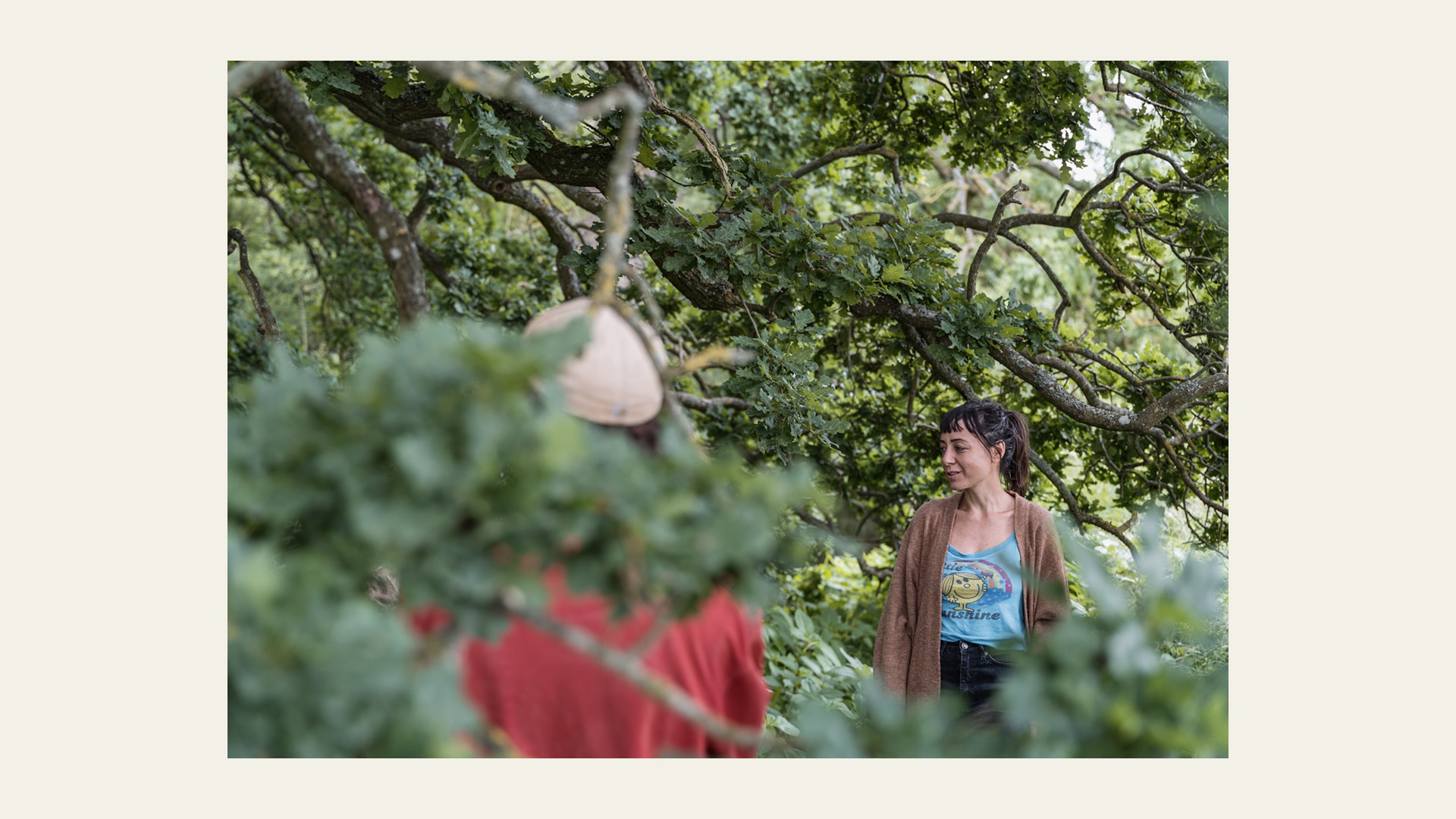
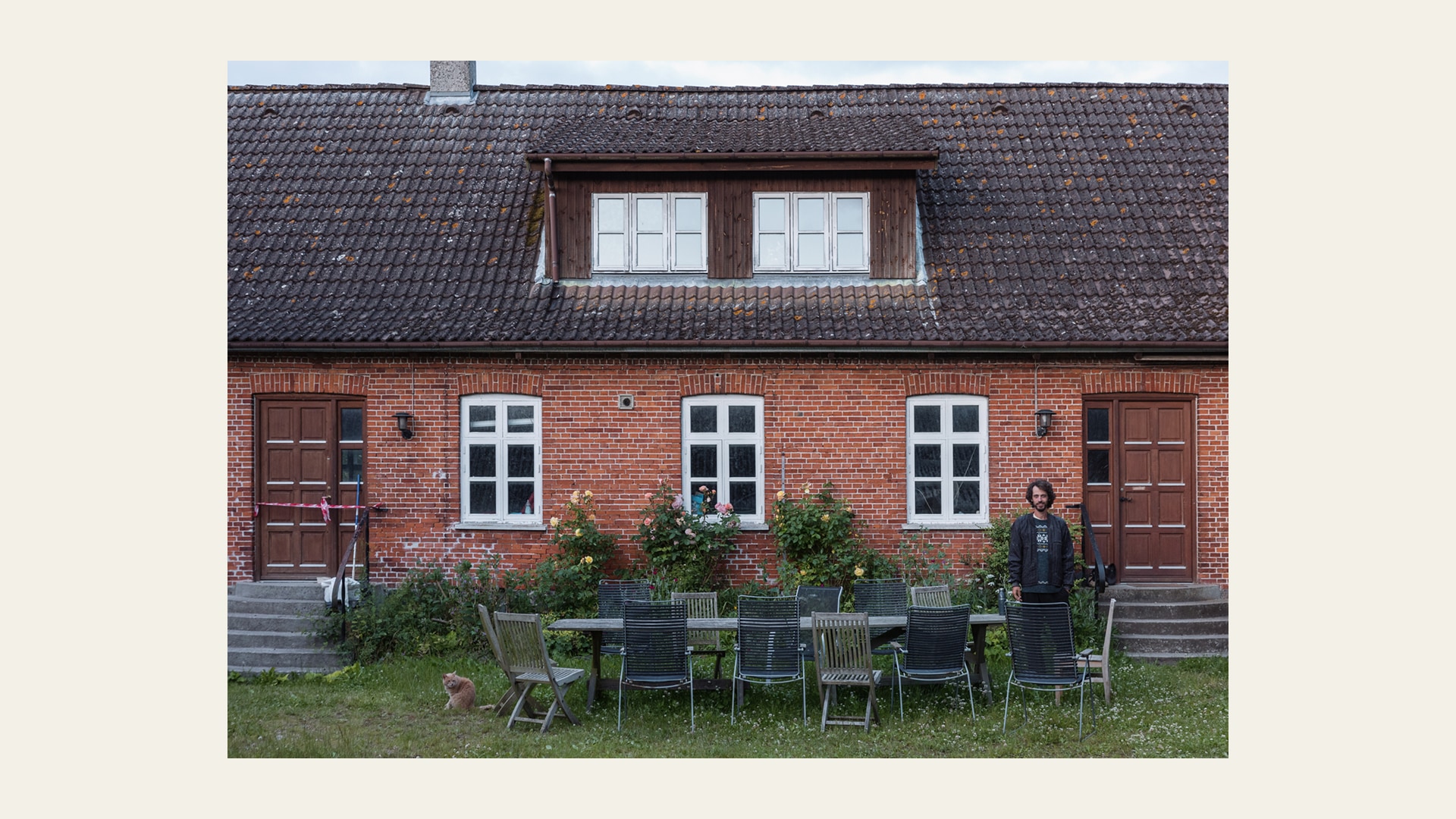
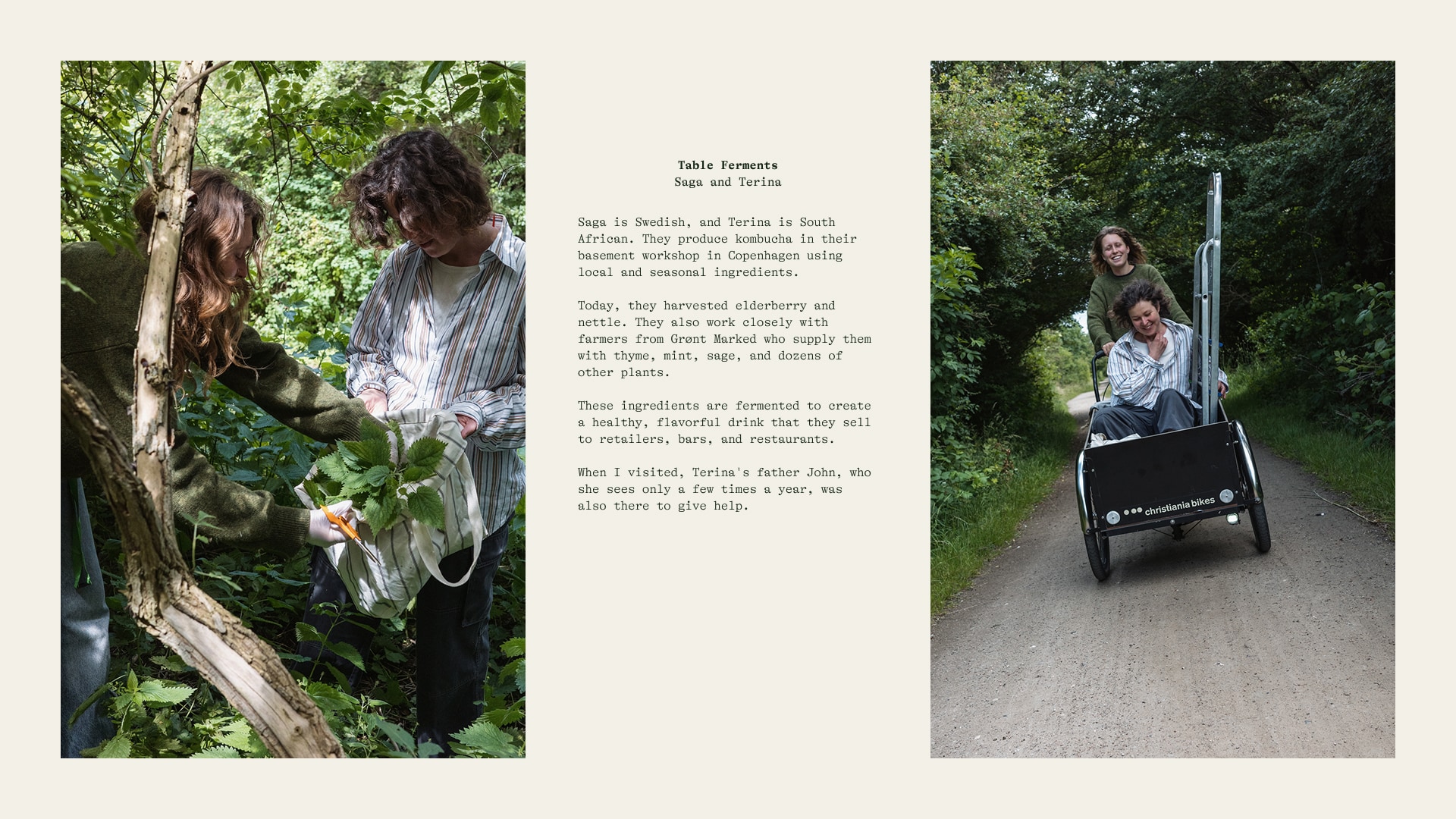
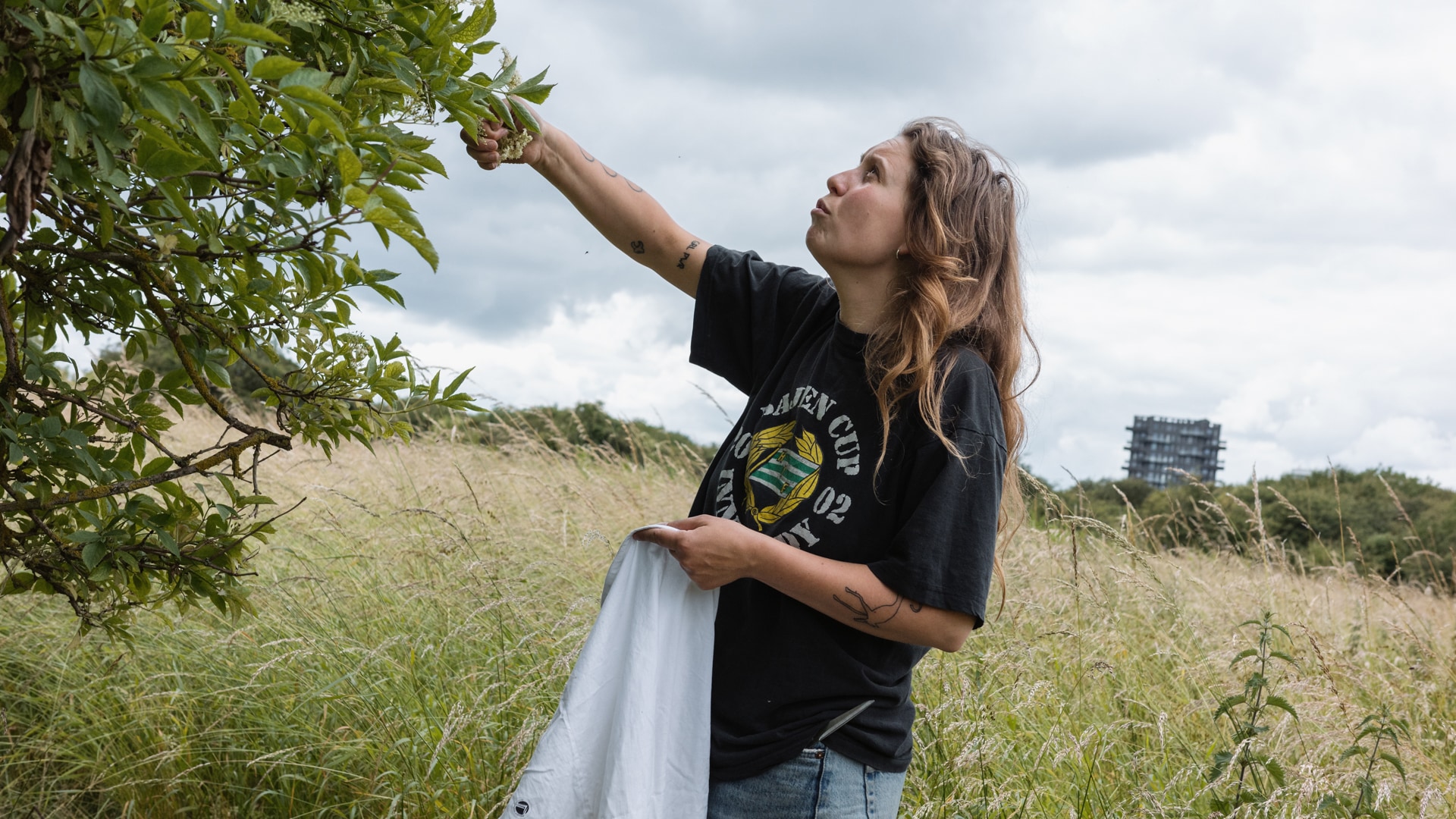
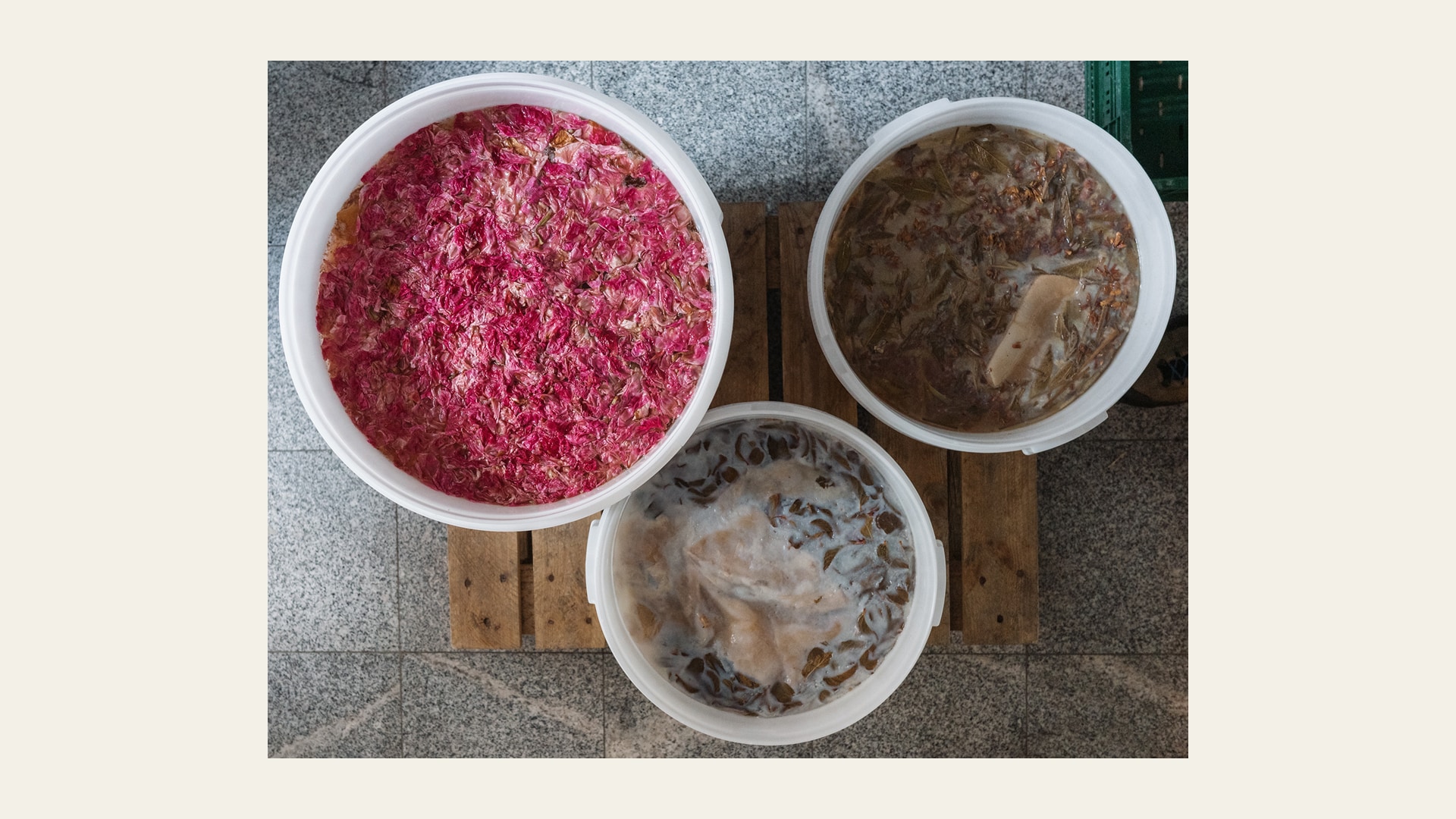
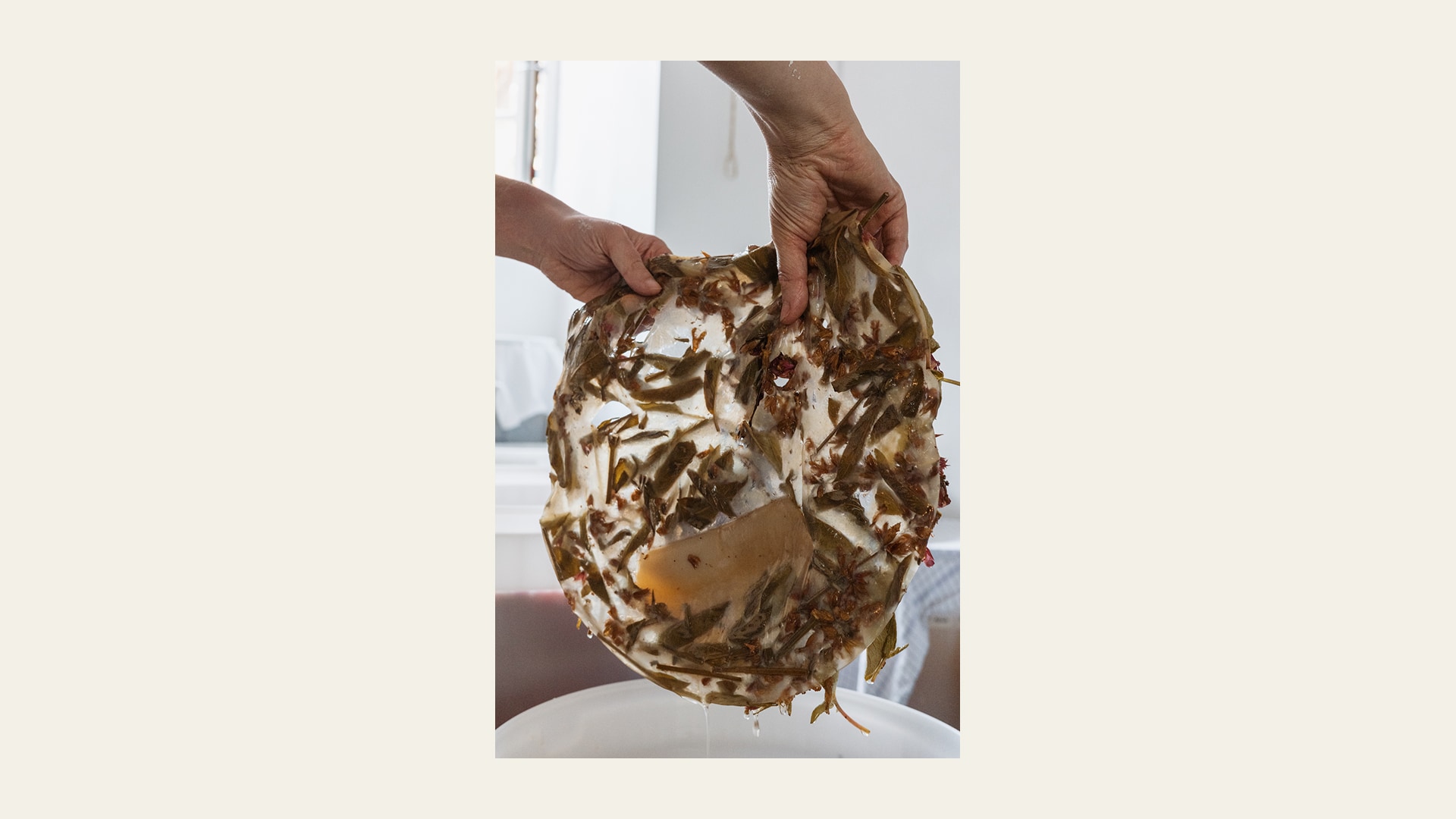
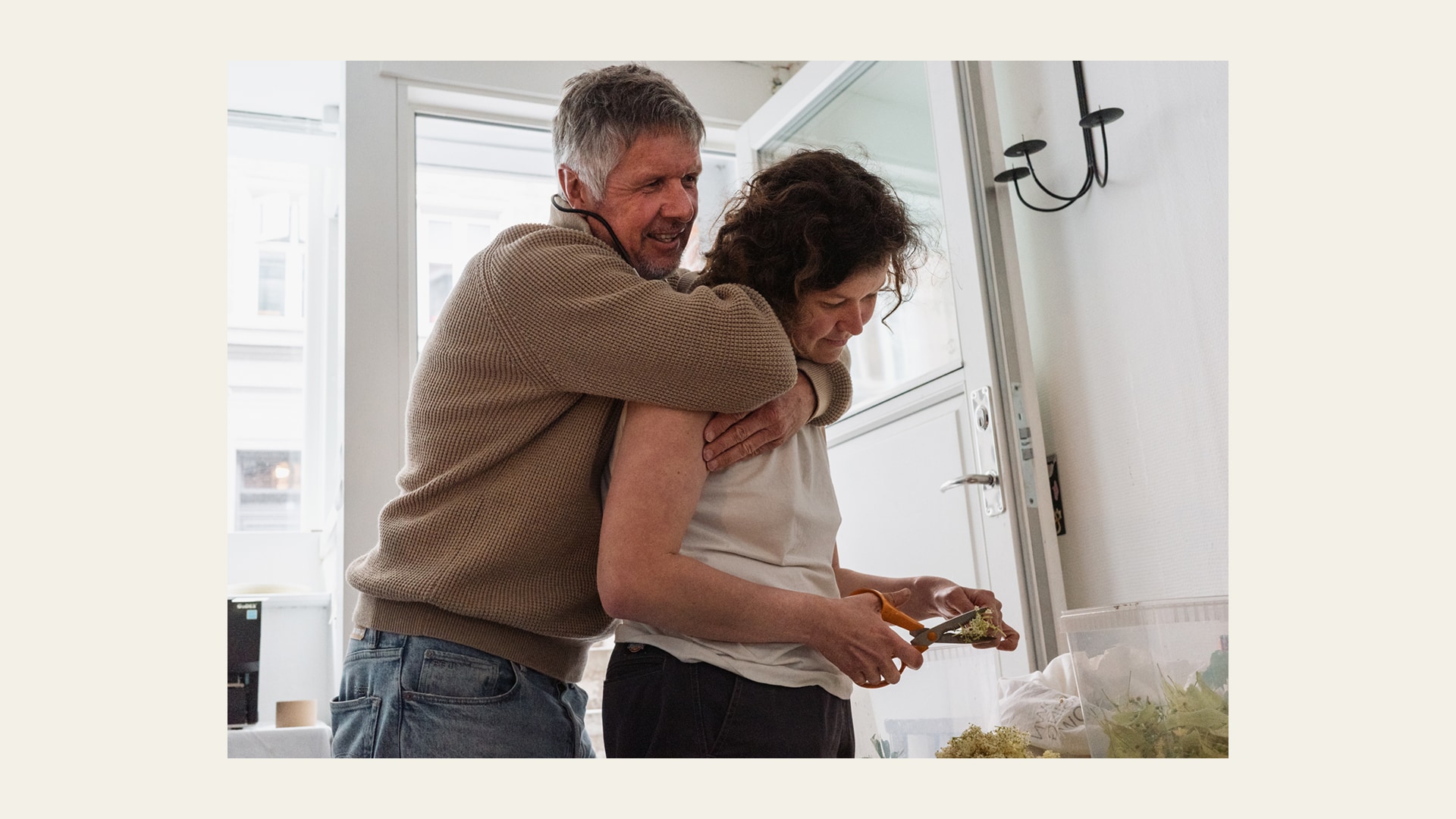
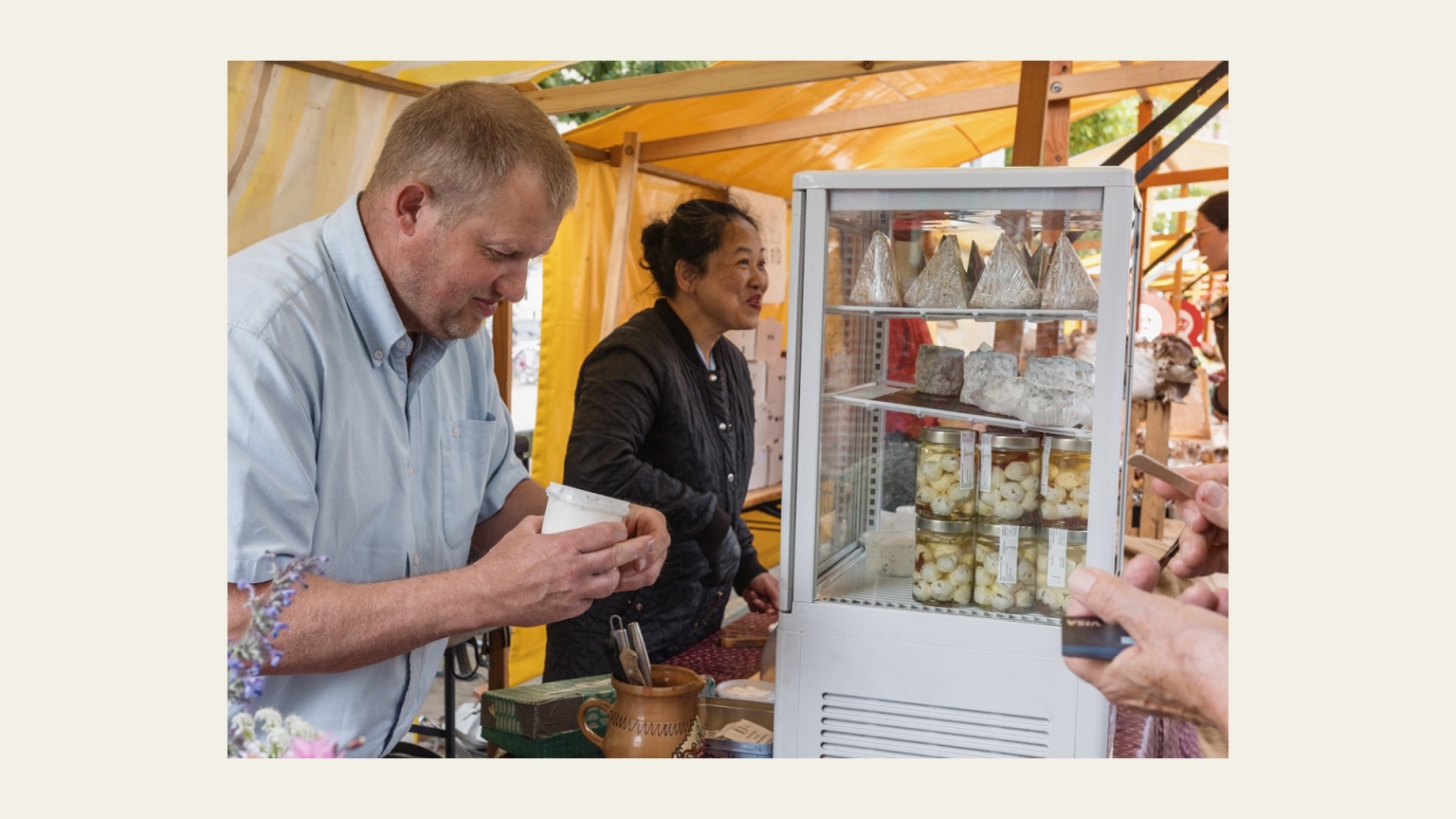
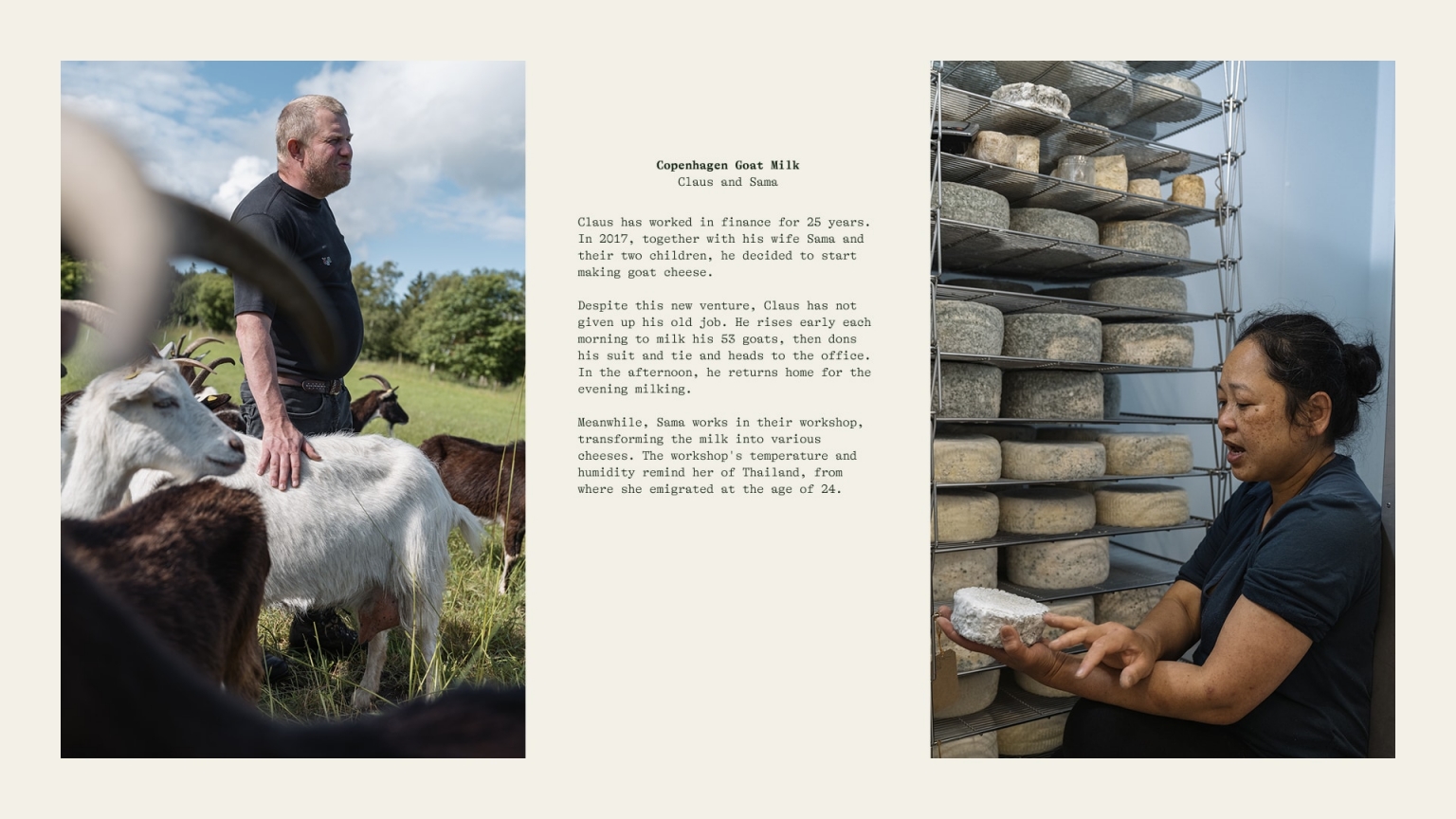
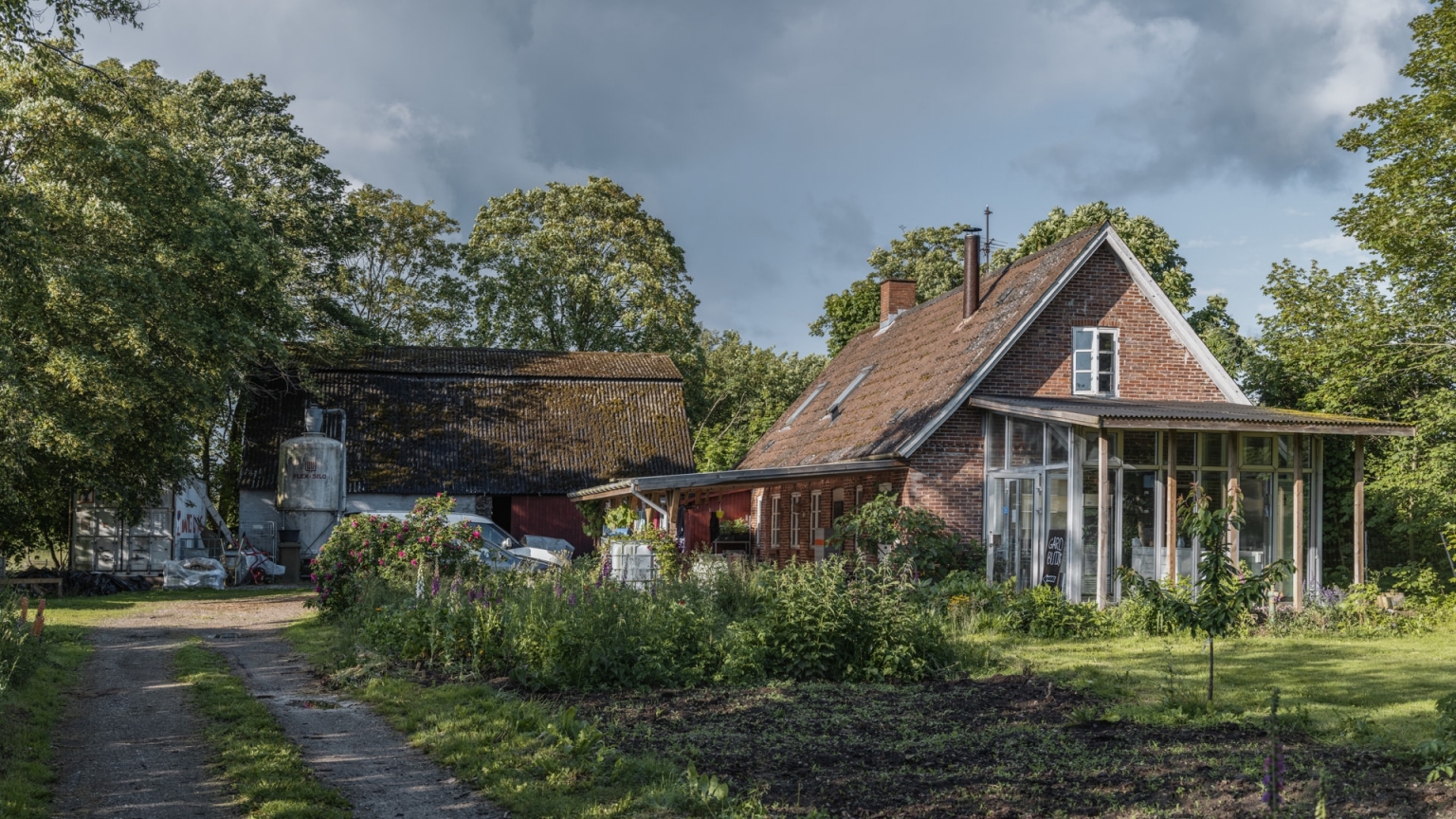
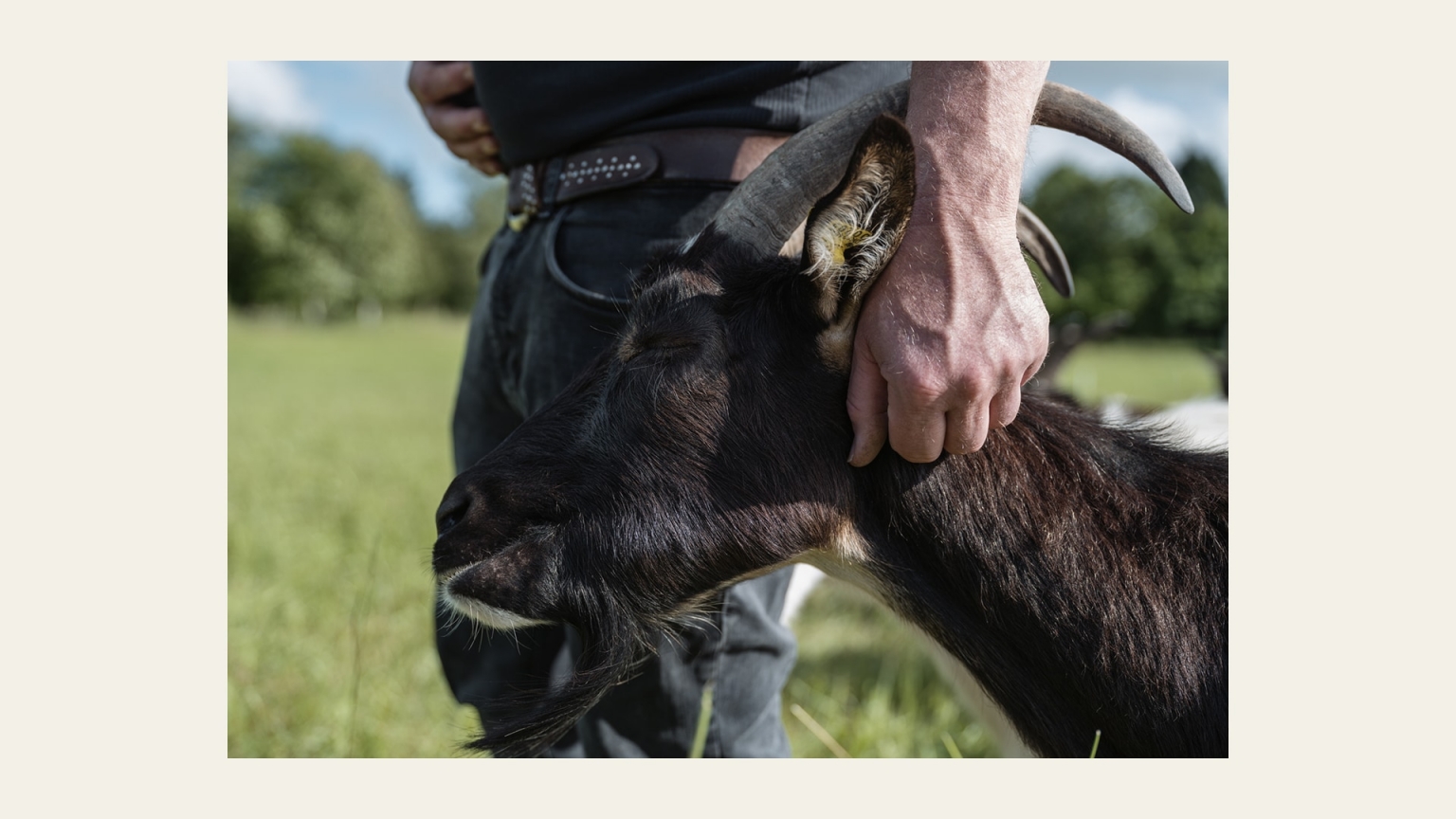
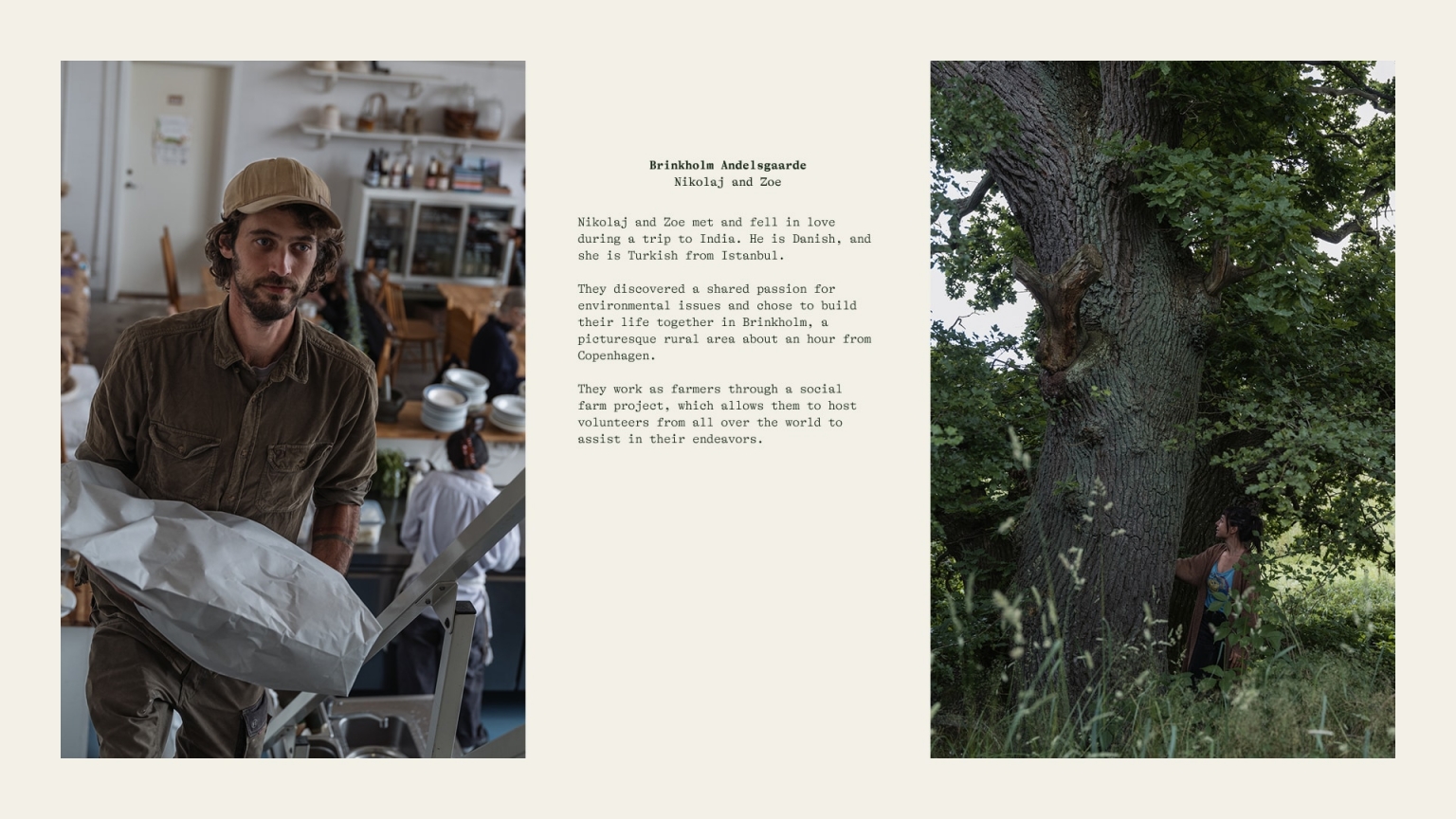
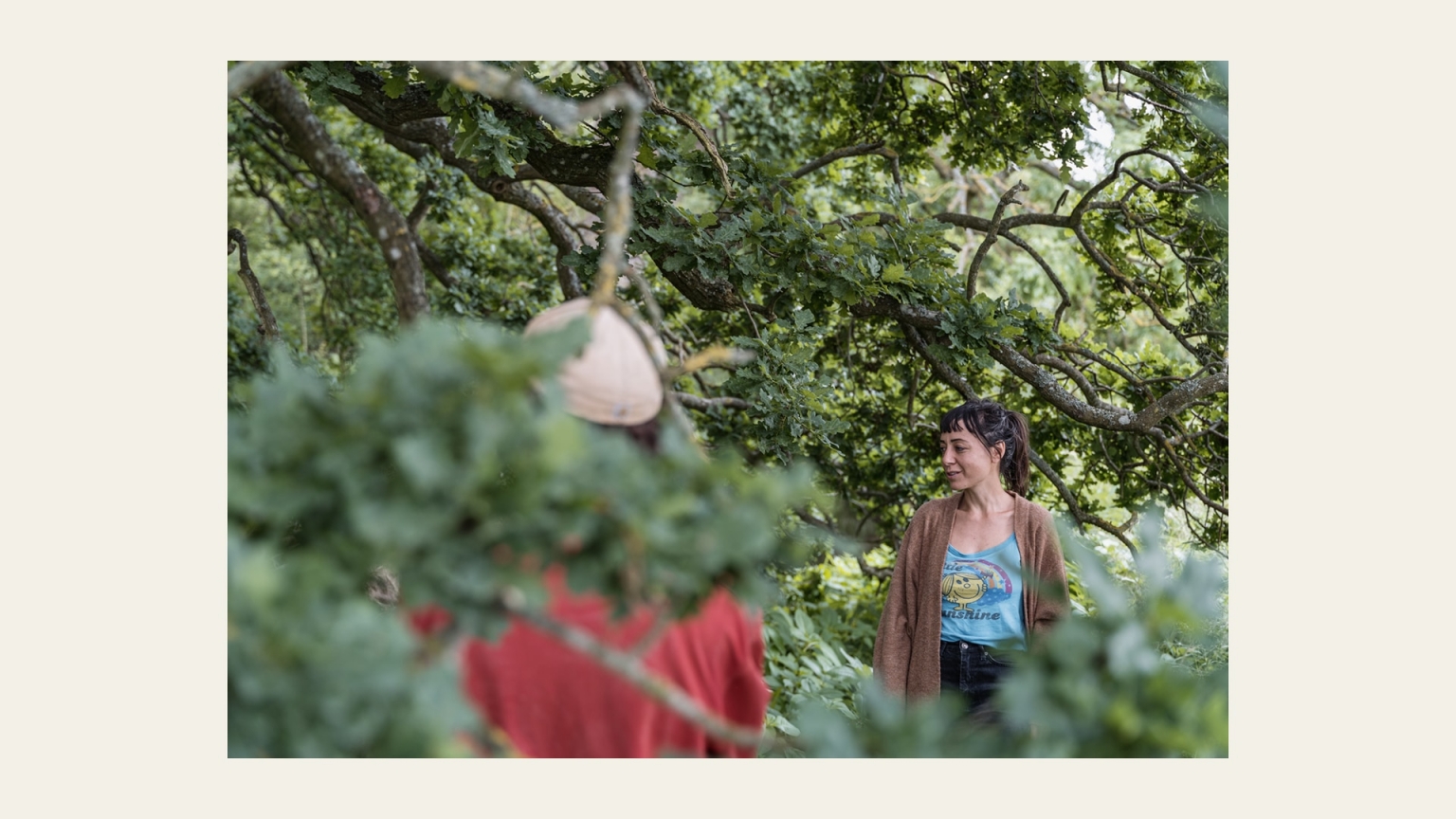
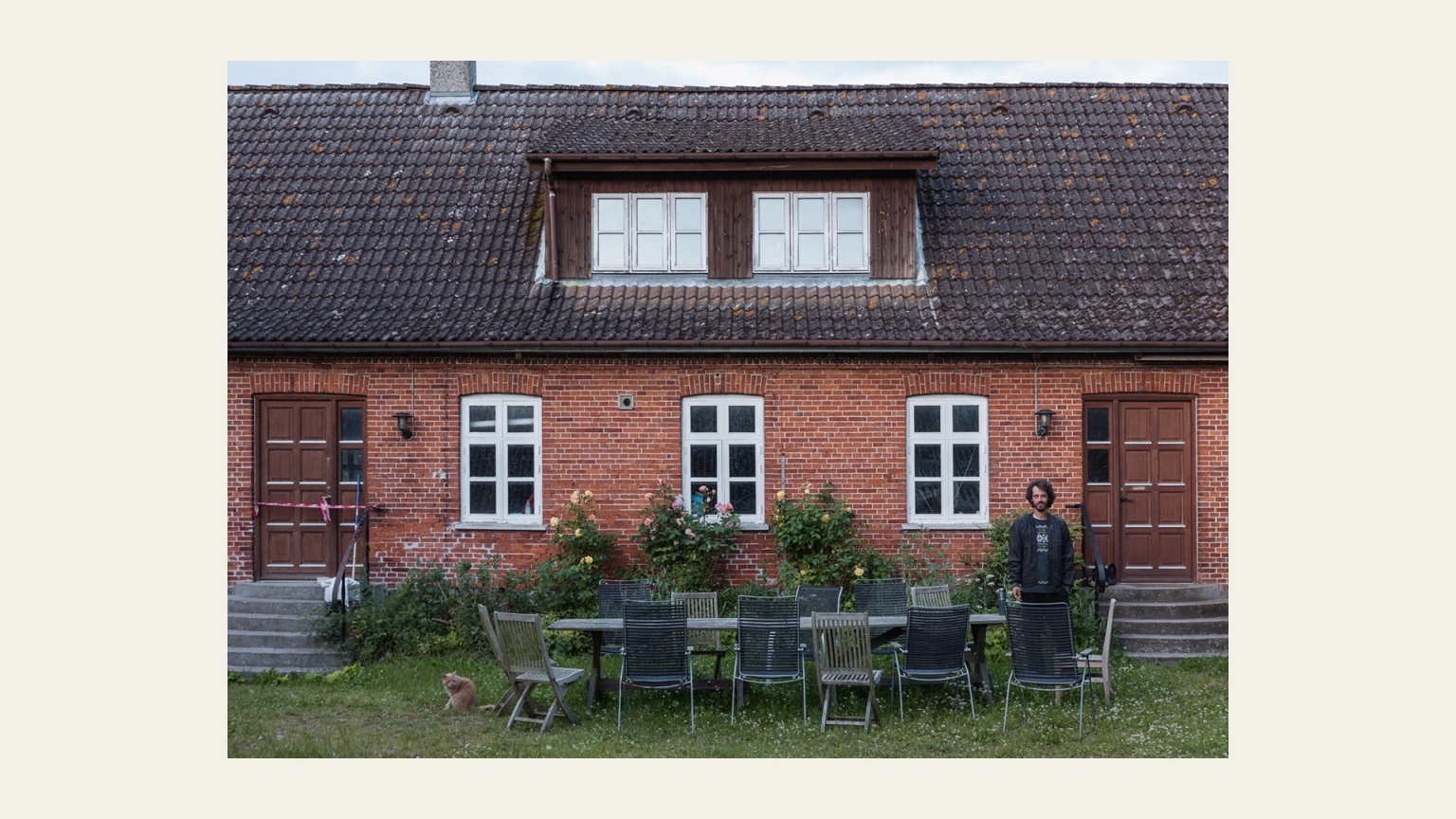
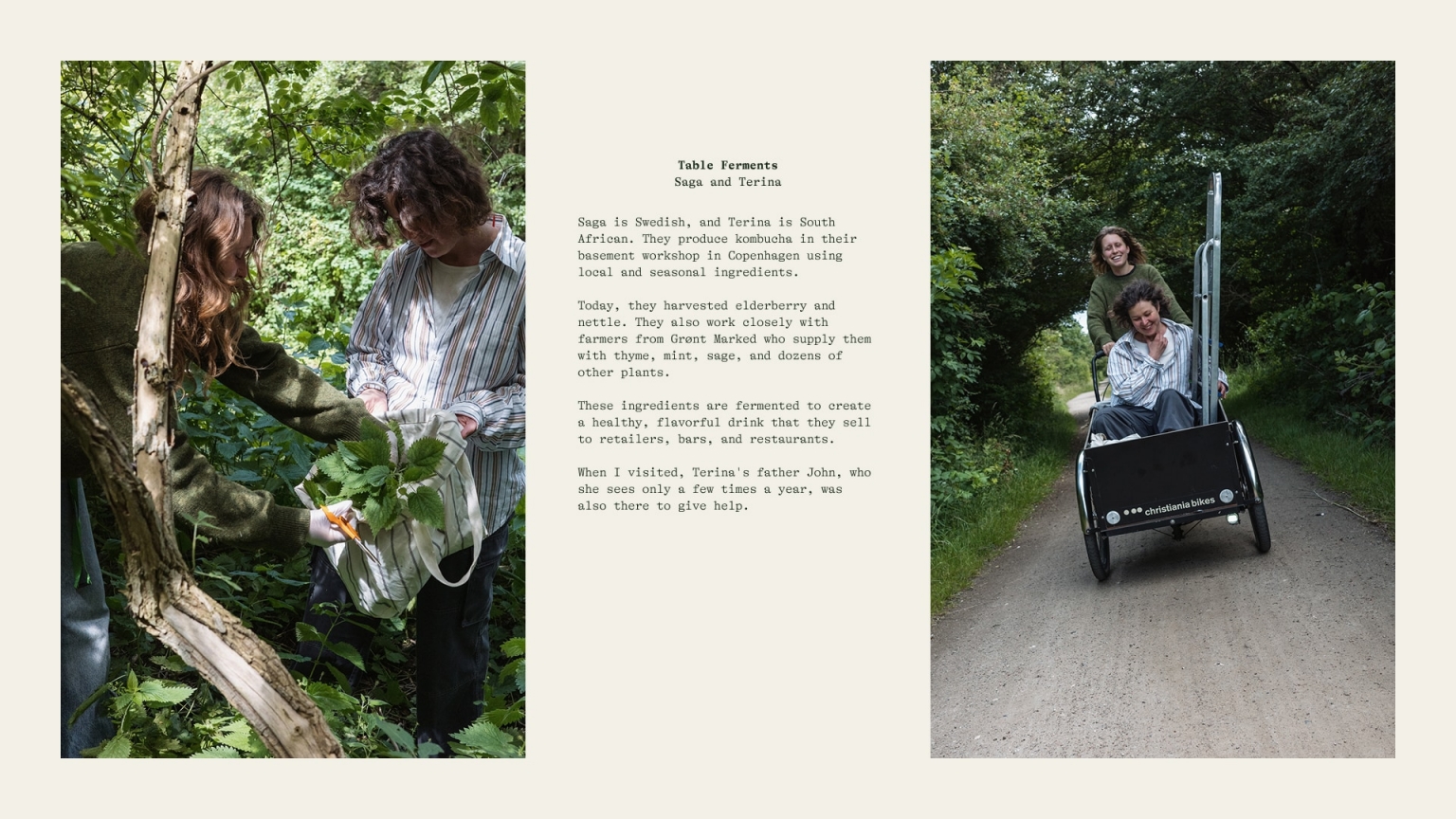
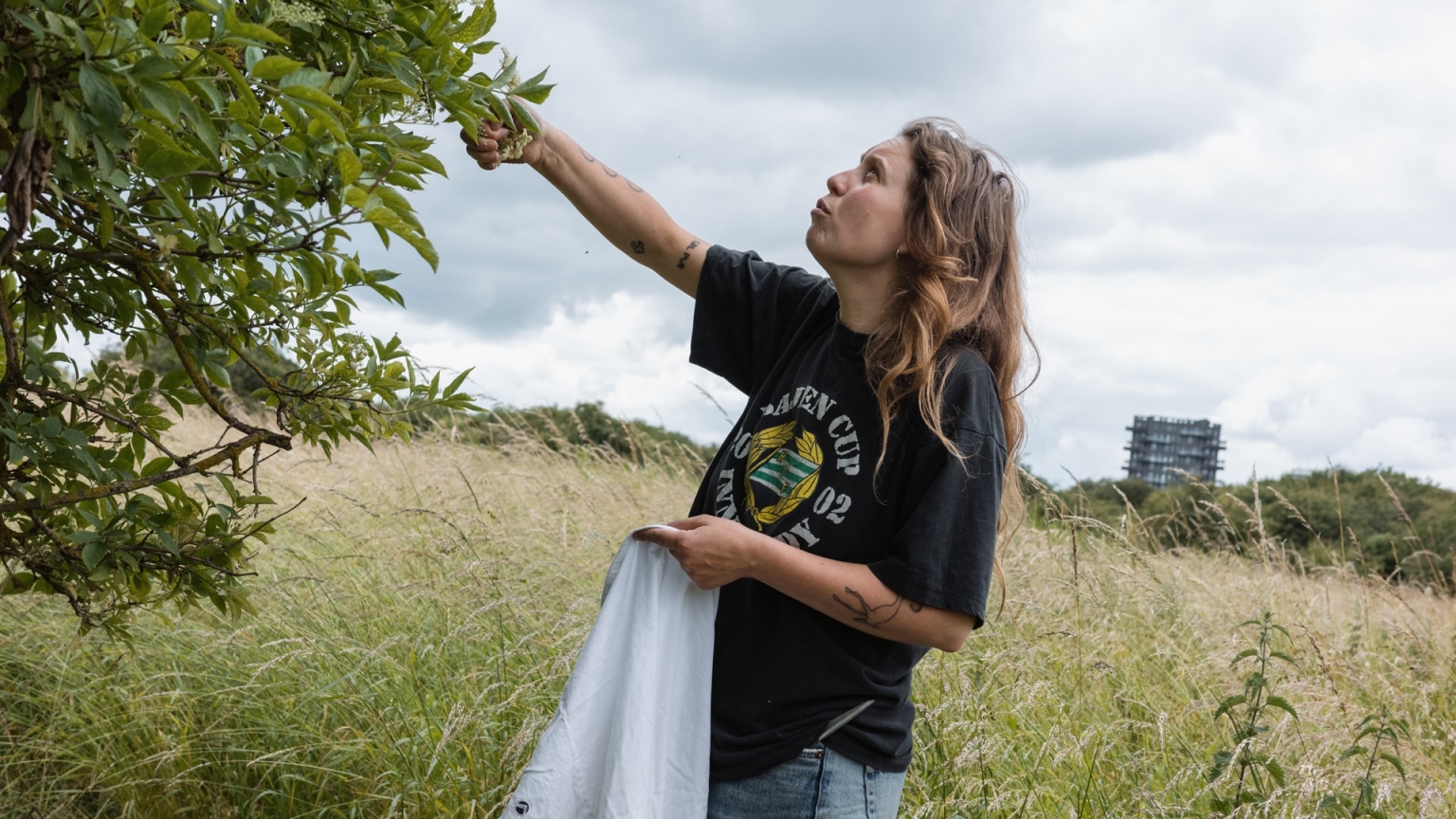
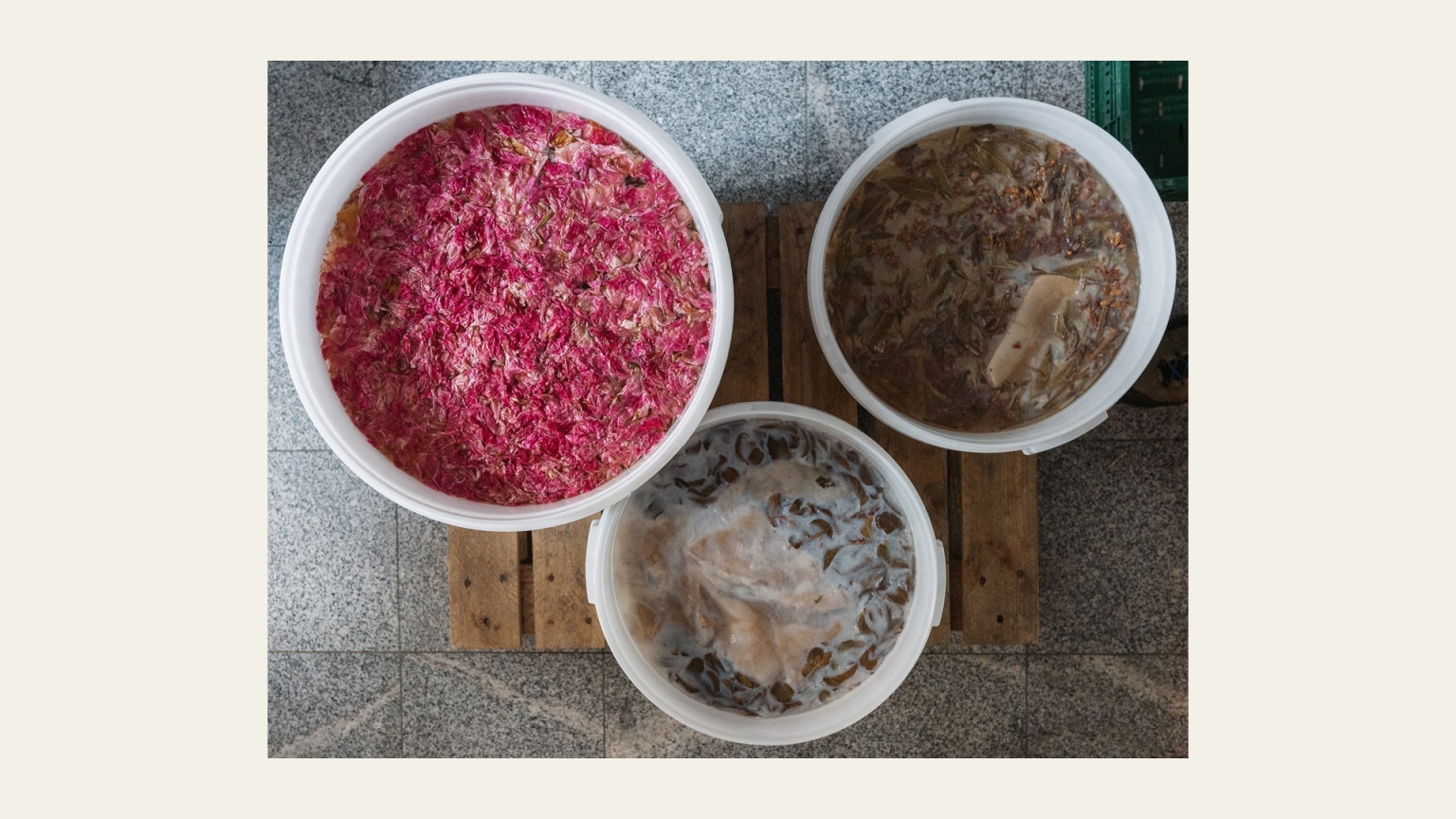
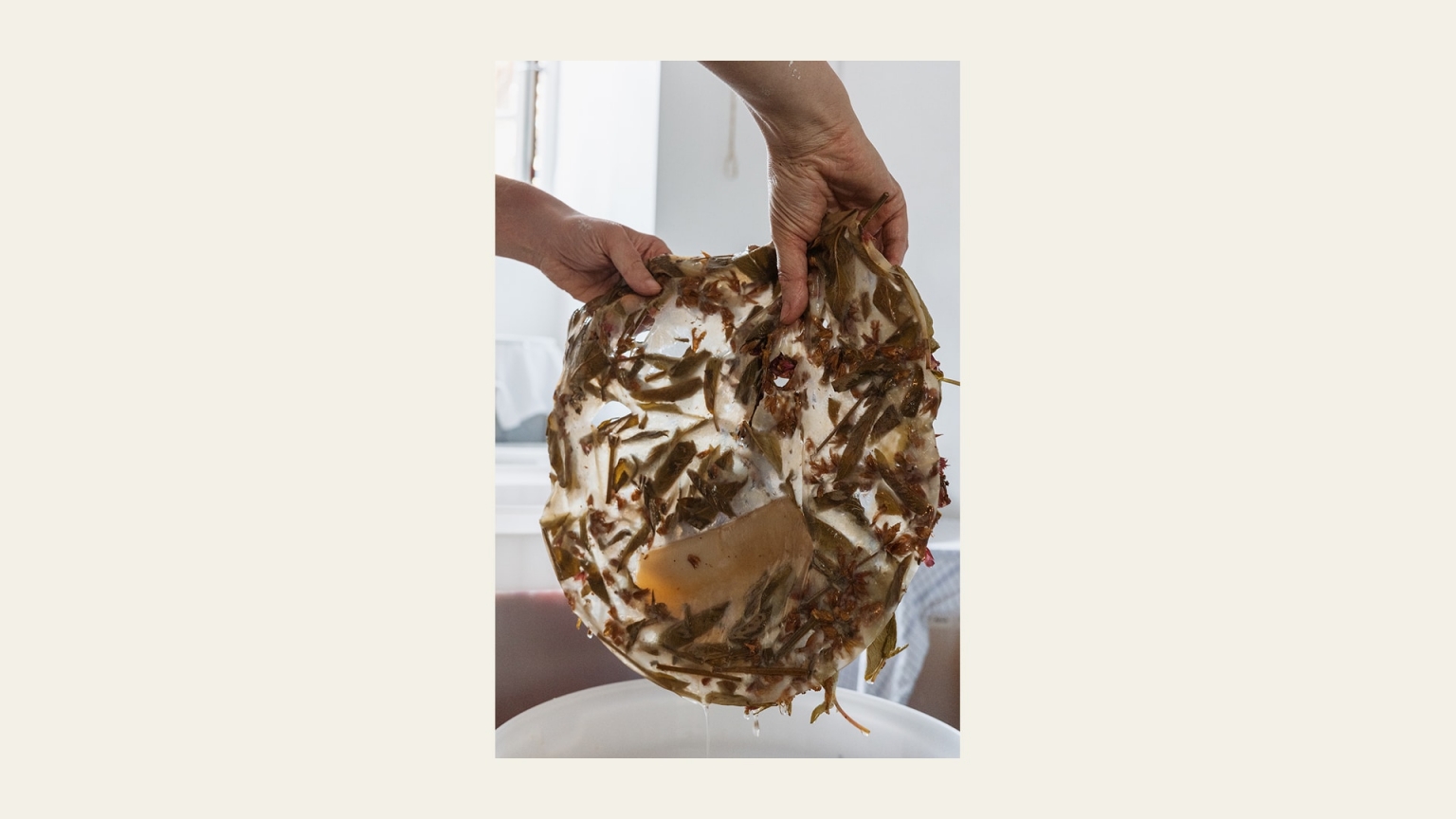
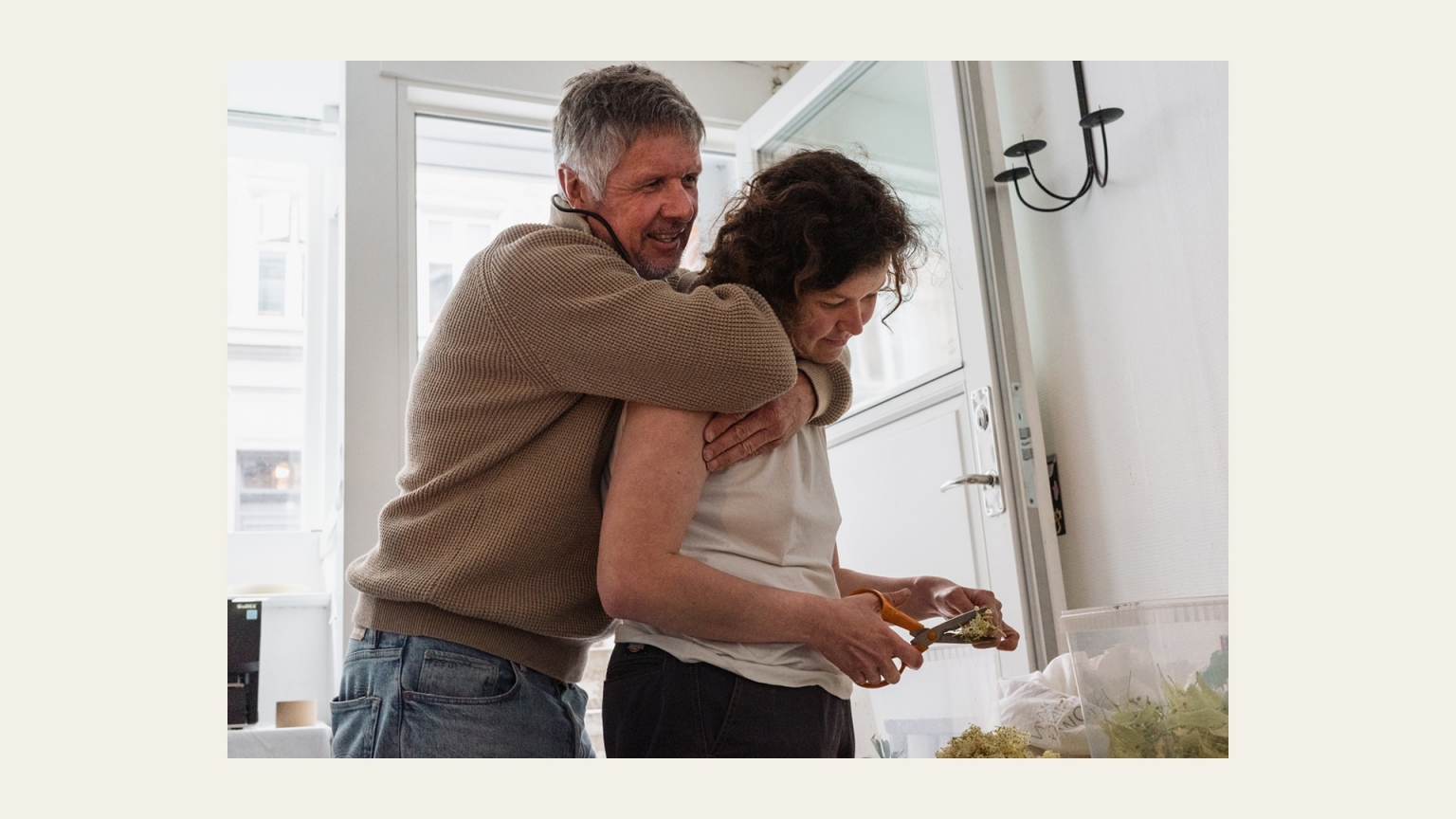
I also toured the farms of three participating producers: Nikolaj and Zoe, who grow vegetables, pumpkins, and wheat they process into flour; Klaus and Sama, who produce artisanal goat cheese; and Saga and Terina, who craft small-batch kombucha.
 https://alessandrocristofoletti.com/2022/10/31/the-summer-course/
 https://alessandrocristofoletti.com/2022/02/15/sooner-or-later-ill-get-somewhere-if-i-go/